Burlington County, New Jersey · All 40 municipalities
Roofing Contractors Serving Burlington County, NJ
Roof repair, replacement and inspection for homes and properties across Burlington County — from the Victorian streets along the Delaware to the subdivisions off Route 73, the farmland around Columbus and the pine-shaded lots of the Pinelands townships.
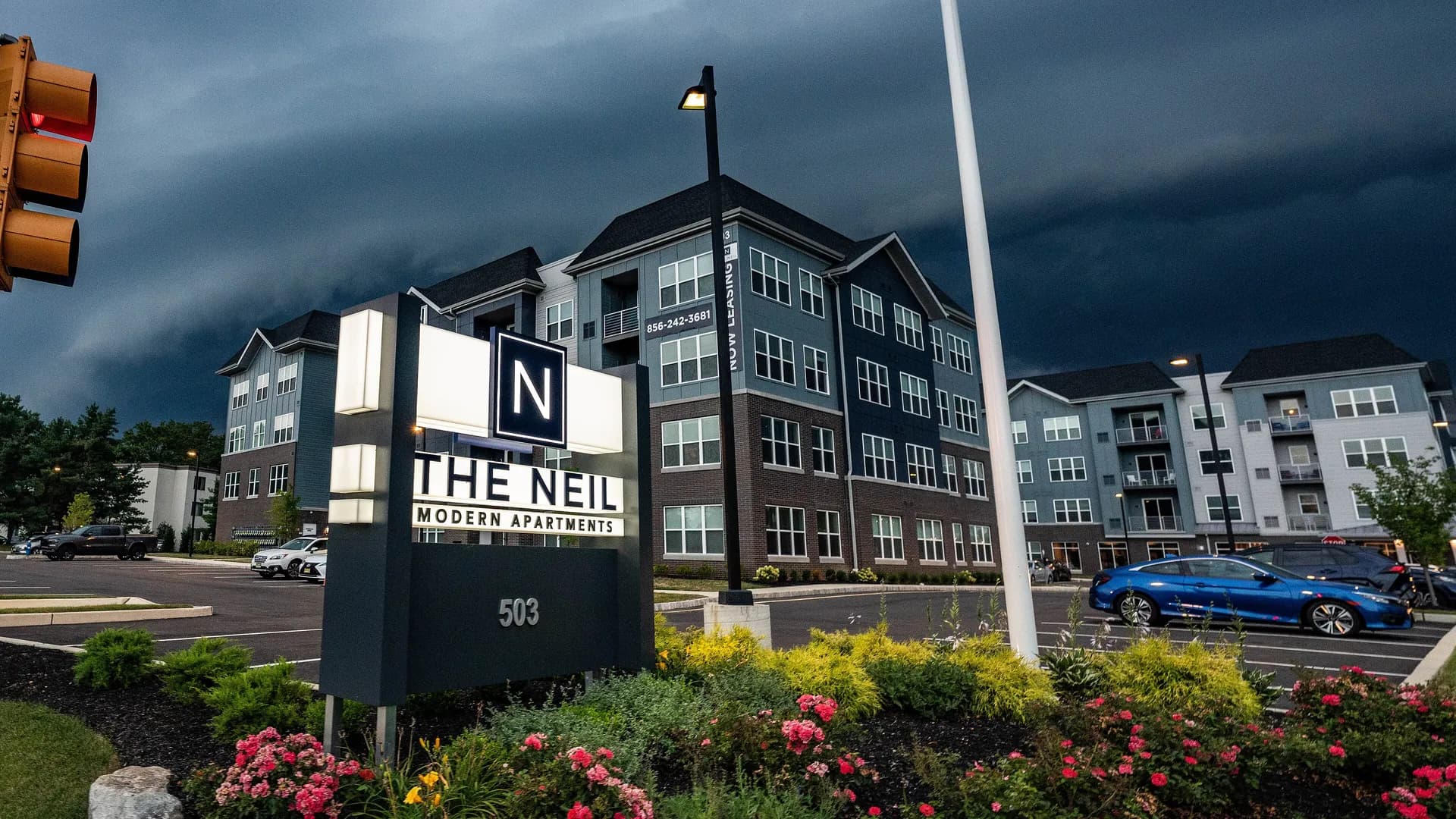
Photo: Anthony Quintano from Mount Laurel, United States / CC BY 2.0, via Wikimedia Commons
Start with the symptom
What Is Happening With Your Roof?
- Roof Is LeakingA stain, a drip, or water tracking down a wall. Finding where it actually gets in comes first.Start here
- Missing / Damaged ShinglesLifted, creased or missing shingles, usually after wind. Often a broken seal rather than a hole.Start here
- Roof Is AgingGranules in the gutters, curling or brittle shingles, repairs in more than one place.Start here
- Storm DamageA limb strike, wind-torn covering or a new leak after bad weather.Start here
- Flat-Roof ProblemStanding water, open seams or a porch, addition or commercial roof that keeps leaking.Start here
- Not Sure — Need InspectionSomething seems wrong, or you just need to know where the roof stands.Start here
One county, very different roofs
Roofing across the largest county in New Jersey
Burlington County runs from the Delaware River to within sight of Great Bay. Its western edge is a string of old river towns — Riverton, Palmyra, Beverly, Burlington City, Bordentown — with Victorian and eighteenth-century housing and historic districts. Behind them sit the post-war and later suburbs of Willingboro, Cinnaminson, Moorestown, Mount Laurel and Evesham, and the commercial corridors along Routes 38, 73 and 130.
North of Mount Holly the land opens into preserved farmland around Chesterfield, Mansfield and the Hanovers. East and south, much of the county lies within the Pinelands — Shamong, Tabernacle, Woodland, Washington and Bass River are wholly inside the state-designated Pinelands Area.
A roof on a riverfront Victorian, a Levitt ranch, a barn and a cabin in Medford Lakes fail for different reasons. Every municipality has its own page describing what its roofs actually contend with.
Delaware River Communities
The older boroughs, cities and townships along the Delaware, where open-water exposure, historic housing and tight street patterns shape the work.
9 municipalities
Western Suburbs and Corridors
The county's most densely developed section, where established residential neighbourhoods sit alongside the Route 38, Route 73 and Route 130 commercial corridors.
8 municipalities
Central Burlington County
The county seat and the townships around it, mixing historic centres, established suburbs and newer development along the Rancocas.
6 municipalities
Northern Farmland and Villages
Open agricultural country in the north of the county, where farmhouses, barns and outbuildings sit among preserved farmland and planned villages.
8 municipalities
Pinelands and Wooded Townships
The large, heavily wooded municipalities of the county's east and south, where tree debris, slow drying and limb damage dominate roof maintenance.
9 municipalities
What we do
Core roofing services
Roof Repair
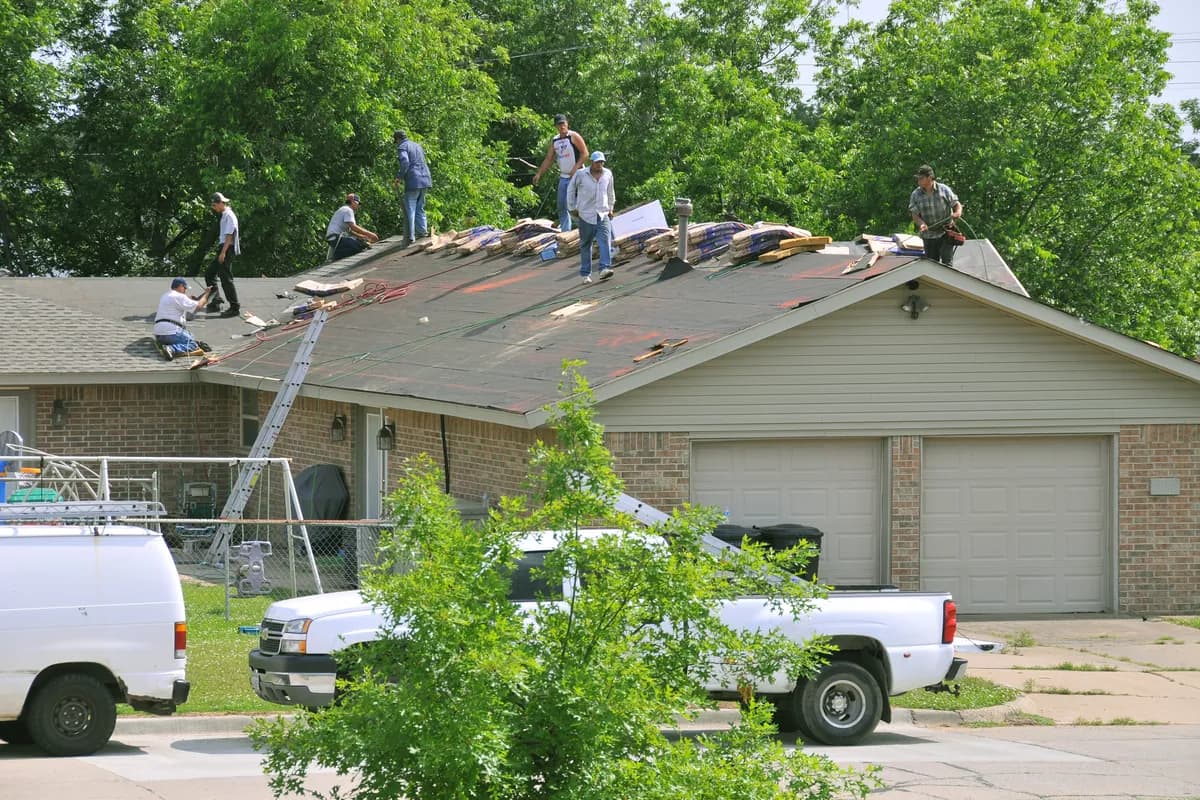
Leak tracing and targeted repairs for shingle, flat and tile roofs across Burlington County.
Learn more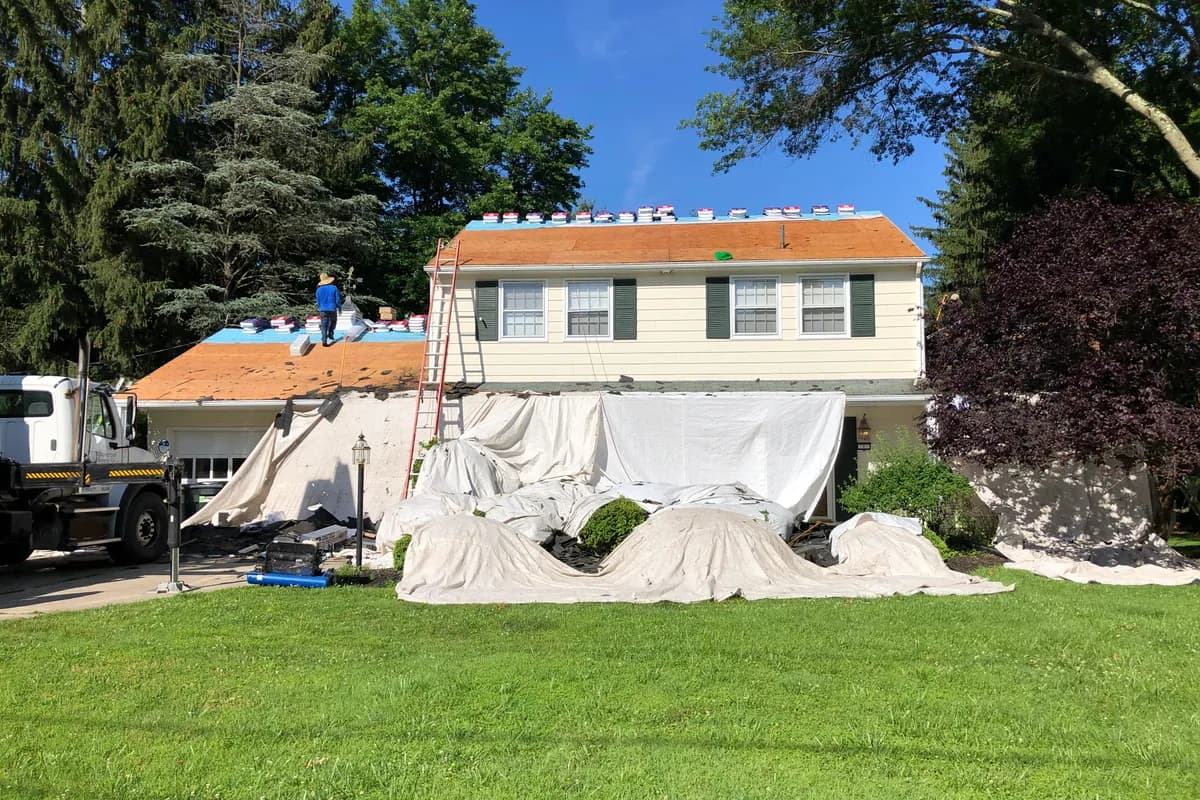
Roof Replacement
Full tear-off and rebuild of the roof system, from decking and underlayment through to ridge ventilation.
Learn more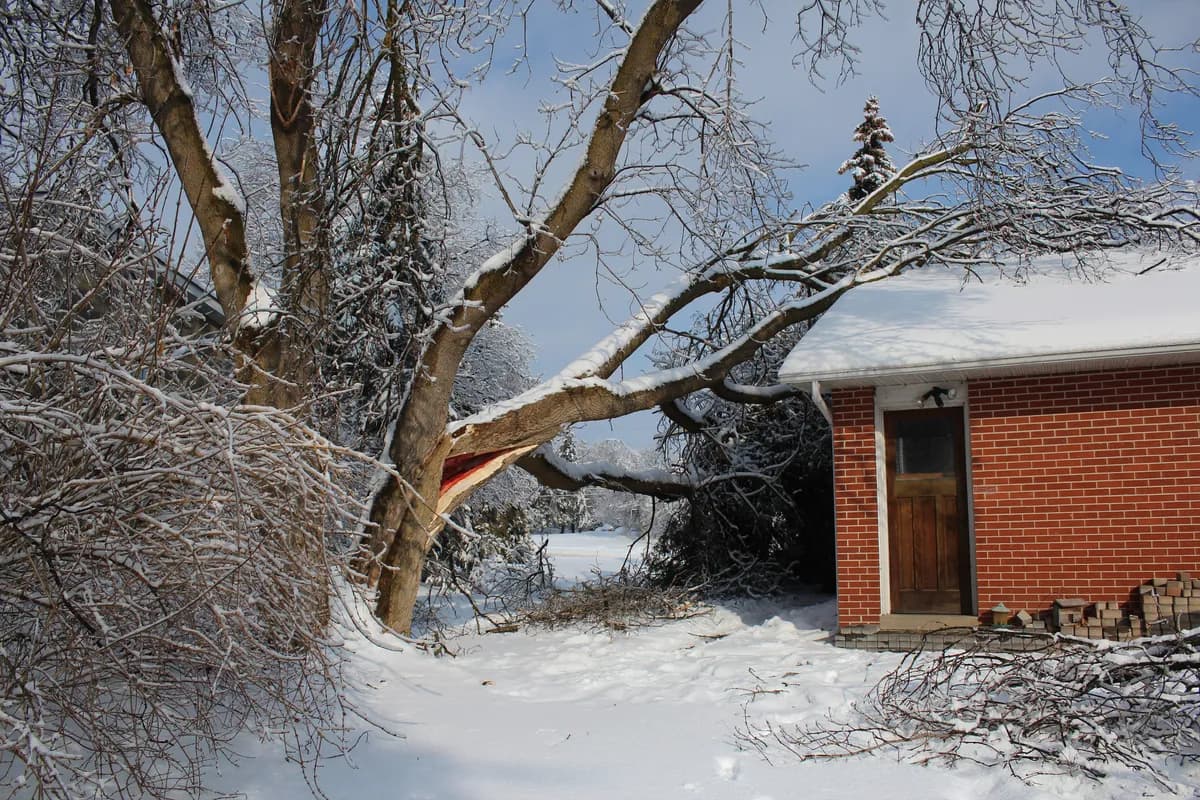
Emergency Roof Repair
Urgent response when water is entering the building — stabilise, dry in, then repair properly.
Learn more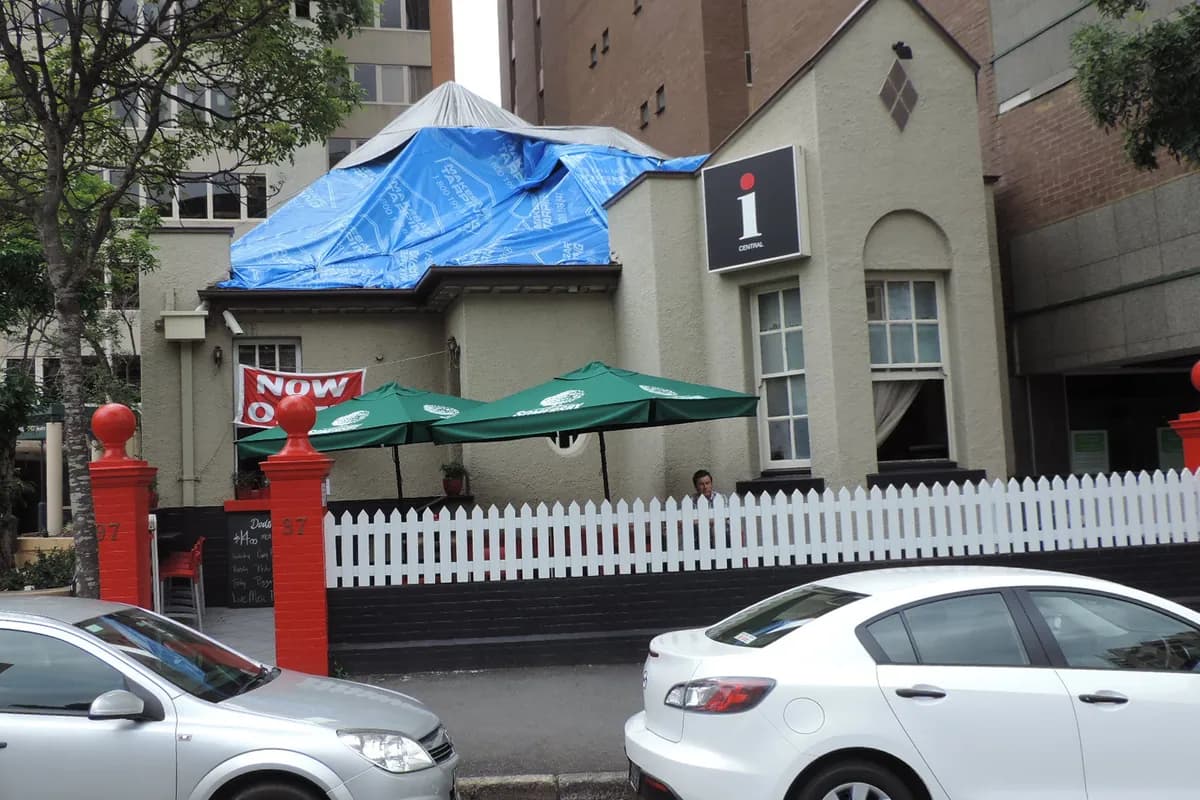
Storm Damage Roof Repair
Assessment and repair after wind, hail, wind-driven rain and falling debris.
Learn more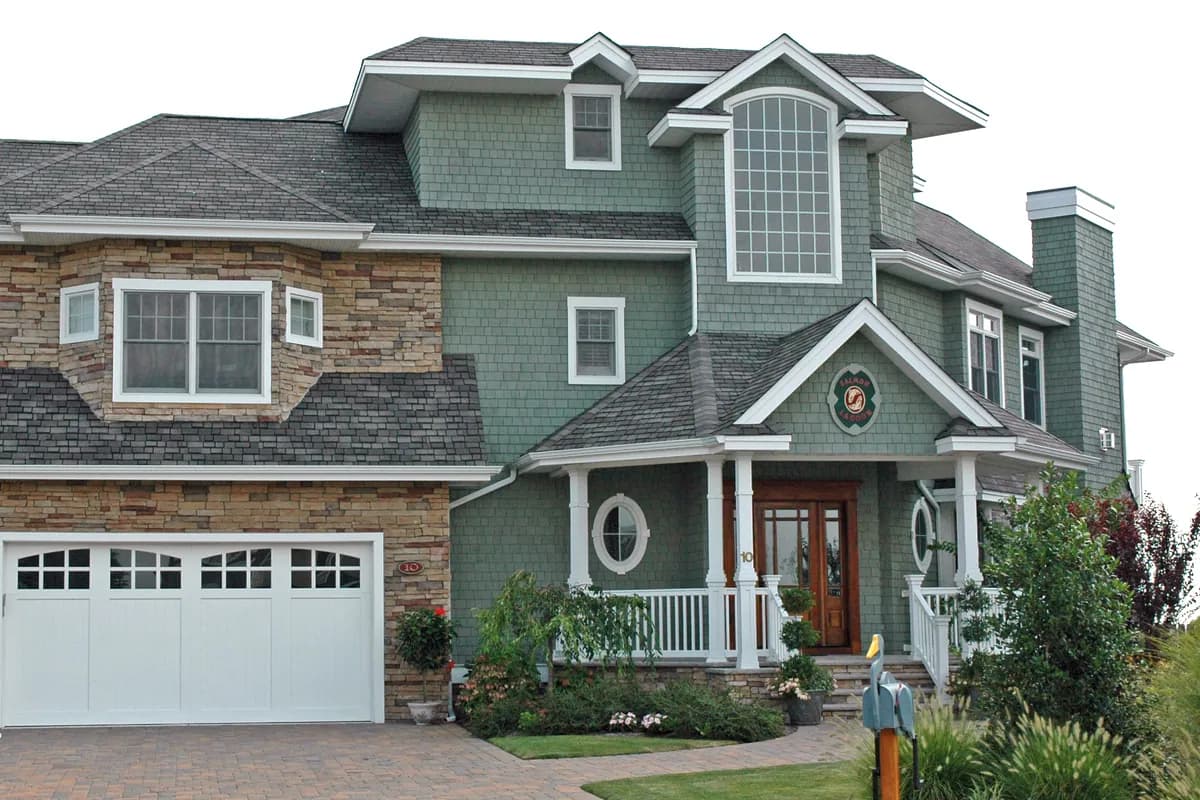
Residential Roofing
Roofing for houses across the county, from river-town rowhomes to large homes on wooded lots.
Learn more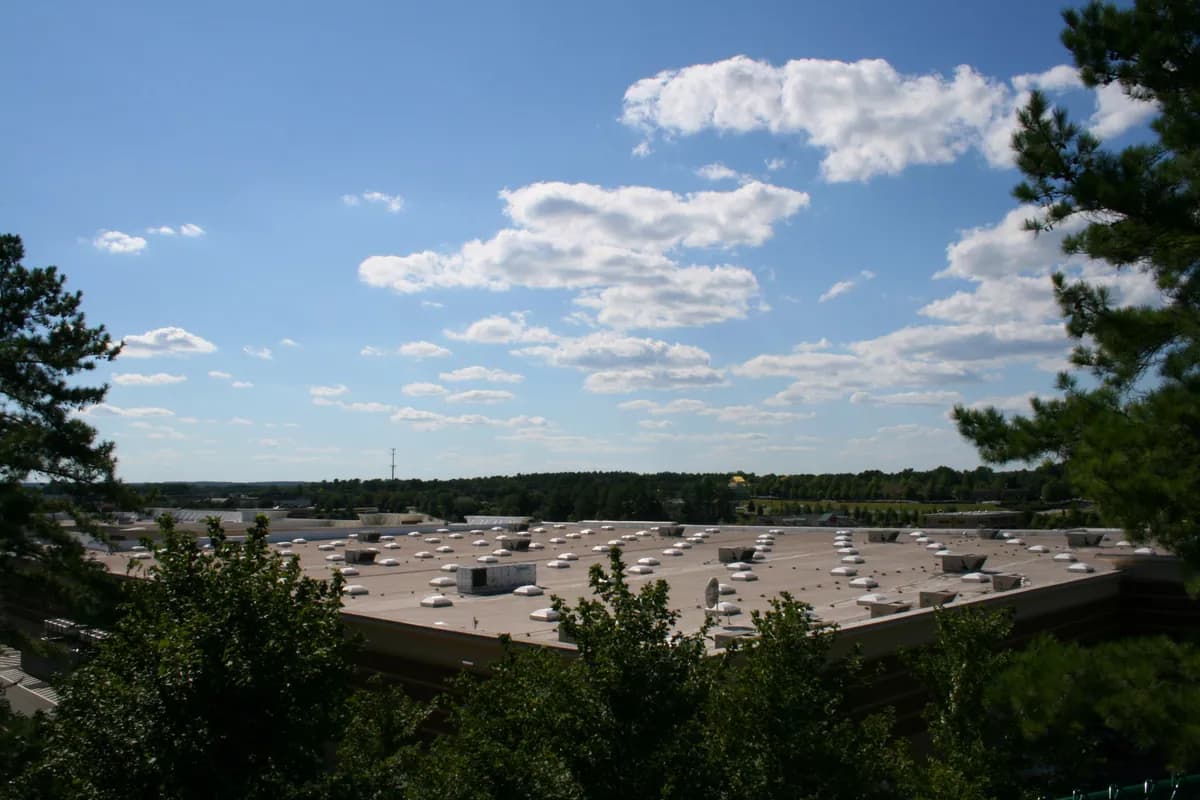
Commercial Roofing
Low-slope and membrane roofing for commercial, retail, industrial and institutional buildings.
Learn moreDiagnose before quoting
Inspection first, then a recommendation
Source of the leak
Tracing water uphill from the ceiling mark to the true entry point.
Flashing and junctions
Chimneys, walls, dormers, skylights and every vent boot.
Decking condition
Soft spots, delamination and staining visible from the attic side.
Ventilation
Whether soffit intake and ridge exhaust genuinely work together.
Storm damage
Broken shingle seals, creasing and impact bruising after weather.
Age and wear
Whether deterioration is local or across every slope.
Drainage
Gutters, valleys, drip edge and where water finally lands.
Repairability
An honest view of whether repair still makes sense.
How an assessment is carried out depends on the property — whether a slope can be walked safely, whether the attic is accessible — and anything that could not be assessed should be stated rather than glossed over.
Roof repair
Where Burlington County roofs actually leak
Most leaks are not in the open field of the roof. They are at the places where the covering is interrupted, and those places depend on the house: dormer cheeks on a Cinnaminson Cape, the split-level wall junction in Delran, the shingled porch roof in Palmyra, the valleys on a multi-gabled Hainesport colonial, the chimney on a Bordentown town house.
How roof repair worksSplit vent boots
The rubber collar hardens and cracks long before the shingles wear out.
Step flashing
Run as one continuous strip instead of woven course by course.
Broken seals
Wind releases the adhesive; the shingle looks fine and is no longer sealed.
Shingled porch roofs
Too shallow for shingles, so water works back under the laps.
Roof replacement
Repair again, or replace? How the decision gets made
Local or general?
One failed detail on a sound roof is a repair. Granule loss and brittleness across every slope is a roof at the end of its life.
What is the deck doing?
Widespread delamination or rot under the covering moves the decision firmly toward replacement.
How many layers?
Much of the county's mid-century housing carries two. That makes repairs less reliable and a full tear-off inevitable.
Trees, storms and water
The three things that shape roofs here
Wooded properties
In Medford, Shamong, Tabernacle, Lumberton’s eastern side and across the Pinelands, debris falls all year. Pine needles mat in valleys, pass gutter guards and hold moisture in flashing joints. Shaded slopes dry slowly and grow moss that lifts shingle edges. This does not describe every municipality — the open farmland in the north collects almost nothing.
Roofing on wooded lotsStorms and wind-driven rain
Summer thunderstorms bring straight-line gusts and limb fall; autumn coastal systems push rain sideways for hours. The river towns and open farmland take the wind directly. A roof can look fine from the ground and have broken seals across its windward slope.
After a windstormDrainage
A blocked gutter backs water onto the fascia and deck edge. Near the Delaware and the Rancocas the ground is already wet, so where downspouts discharge matters. On flat commercial roofs, water standing two days after rain is a problem, not a feature.
Gutters and the roof edgeMaterials
Roofing materials and systems
Architectural shingles
The dominant covering in the county. Laminated, heavier, better in wind.
Low-slope membranes
TPO, EPDM and modified bitumen on porches, additions and commercial roofs.
Metal roofing
Standing seam and exposed-fastener panels — barns, outbuildings, porch and bay roofs.
The hidden layers
Ice-and-water membrane, underlayment, drip edge, flashing and ventilation.
Residential and commercial roofing
Residential roofing
Victorians and twins in the river towns, Levitt ranches, Capes and split-levels, larger subdivision homes, farmhouses and log cabins.
Residential roofingCommercial roofing
Low-slope membrane roofs on retail, office, industrial and mixed-use buildings — along Routes 38, 73 and 130, near the Turnpike, and in the older town centres.
Commercial roofingService areas
Explore Burlington County by region
Delaware River Communities
Western Suburbs and Corridors
Central Burlington County
Northern Farmland and Villages
How it works
The roofing process, step by step
- 01
Get in touch
Call or send the form with what you are seeing.
- 02
Assessment
The roof, its junctions, drainage and — where possible — the attic.
- 03
Written findings
What is urgent, what to watch, what is fine.
- 04
The work
Repair or replacement carried out with the property protected.
- 05
Clean-up and review
Debris removed, magnetic sweep, final walk-round.
Homeowner education
Roofing resources
6 min read
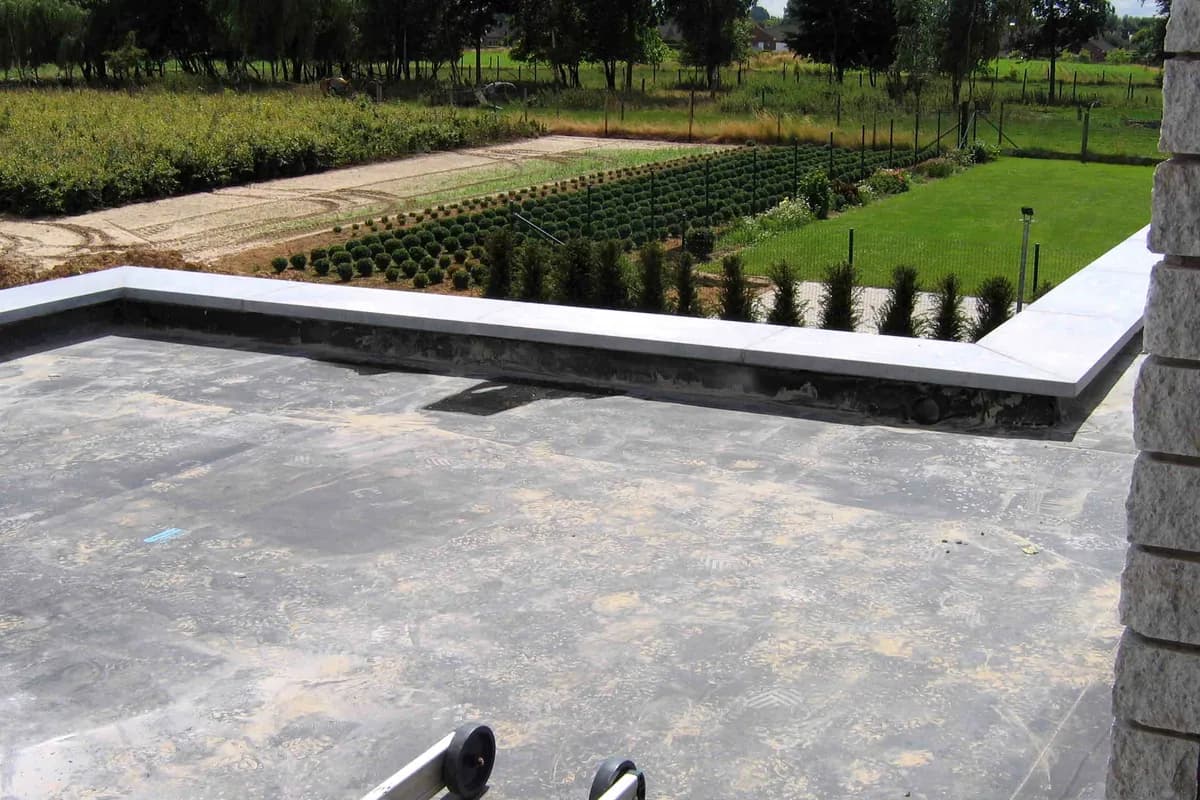
Flat Roof Drainage Problems Explained
On a low-slope roof, almost every membrane problem is really a drainage problem that has been going on for a while.
6 min read
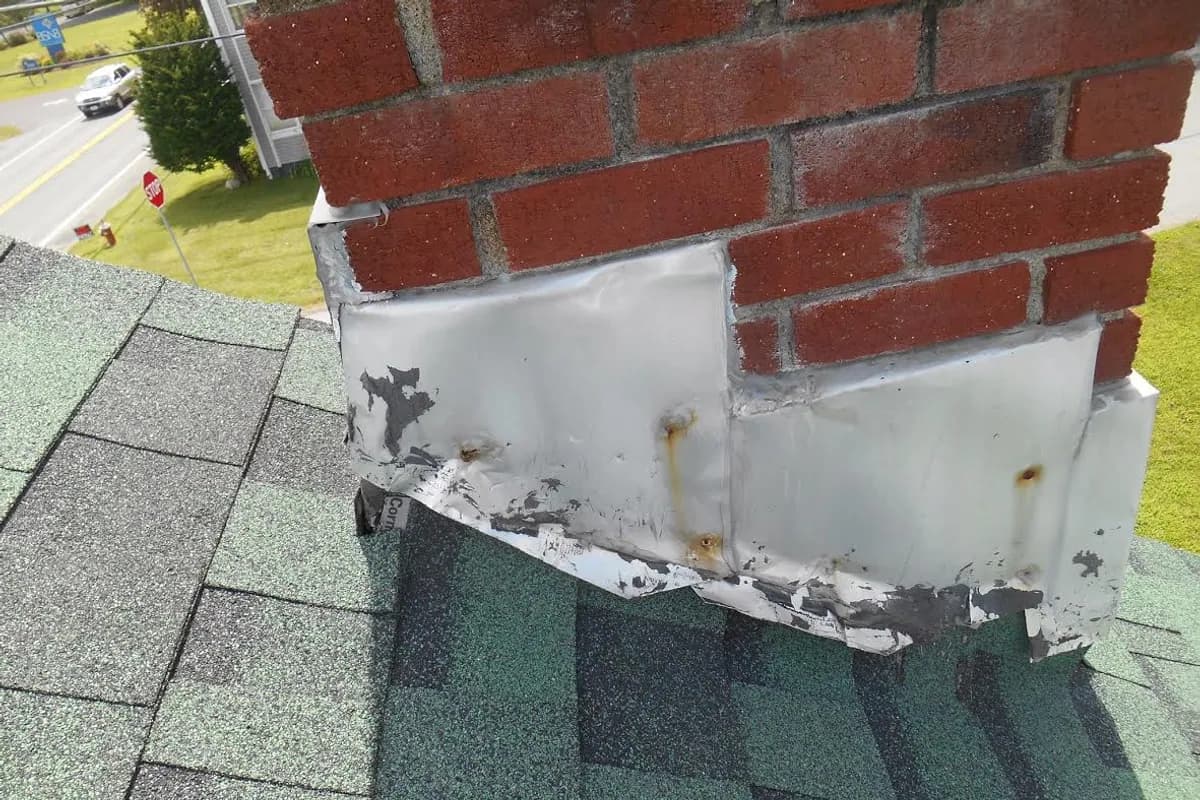
How Flashing Protects Roof Penetrations
A roof is a continuous surface interrupted by holes. Flashing is the craft of making those interruptions shed water.
7 min read
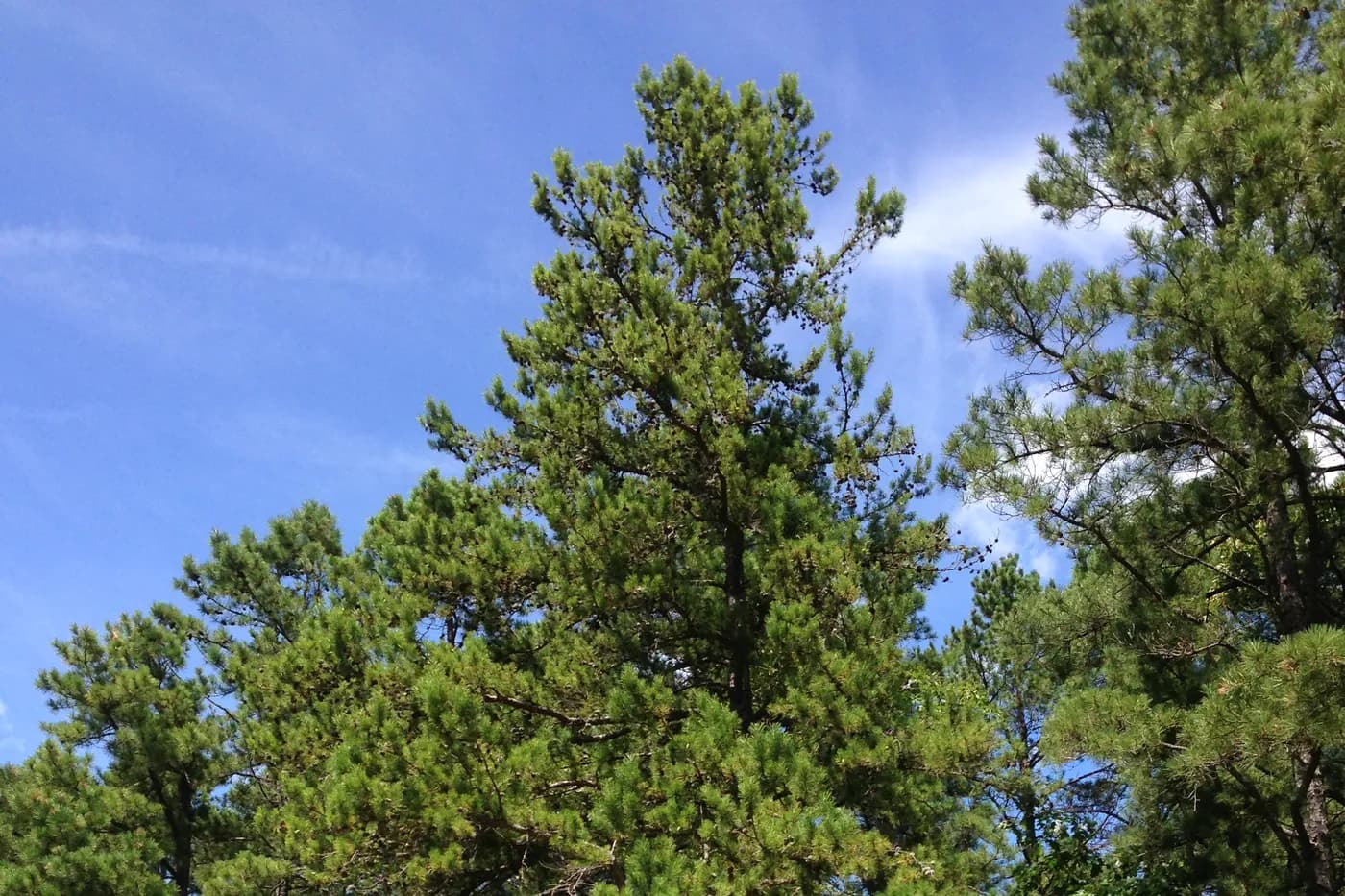
What to Know About Roofing on Wooded Properties
A wooded lot does not just mean more leaves in the gutter. It changes how the roof ages, how it is maintained and how the work gets done.
Questions
Frequently asked questions
Which parts of Burlington County do you cover?
All forty municipalities, from the Delaware River communities in the west to the Pinelands townships in the east and south. Burlington County is the largest county in New Jersey by land area and the conditions vary enormously across it, so each municipality has its own page describing what roofs there actually contend with.
How do I know whether my roof needs repair or replacement?
It usually comes down to whether the failure is local or general. A split vent boot, a length of failed flashing or a patch of wind-damaged shingles on an otherwise sound roof is a repair. Granule loss across every slope, shingles that crack rather than flex, and leaks appearing in unrelated places within a couple of seasons point to a roof at the end of its service life. An inspection establishes which of those you have before any money is committed.
What should I do if my roof is leaking right now?
Call (914) 906-5748 rather than filling in the form — the phone is faster for anything urgent. In the meantime, contain the drips and move what you can out of the way, stay out from under any ceiling that is bulging or holding water, and treat circuits as unsafe where water is near fittings. Do not go onto a wet or damaged roof yourself.
How long should a roof last in South Jersey?
A well-installed, properly ventilated architectural shingle roof in this region commonly gives something in the region of two decades or more; three-tab roofs tend to give less. Ventilation, fastening quality, which way a slope faces and how much tree cover is above it move that figure far more than the warranty on the box does. Anyone quoting a precise number without having looked at those things is guessing.
Do you work on commercial buildings as well as houses?
Yes. A great deal of the county's commercial stock — the retail and office corridors along Routes 73, 38 and 130, the warehousing near the Turnpike, and the mixed-use buildings in the older town centres — is low-slope membrane roofing, which fails at seams, terminations, penetrations and drains rather than in the field. That is a different discipline from shingle work and it is covered under commercial roofing.
Why does tree debris matter so much in this county?
Because so much of Burlington County is wooded. In the Pinelands townships and on the older tree-lined streets, debris arrives all year rather than in one autumn burst, and pine needles in particular mat together, pass through most gutter guards and work into flashing joints. Debris keeps a roof wet, and a wet roof ages faster than a dry one.
Do you provide a written assessment?
An inspection should produce written findings with locations and photographs, and a clear split between what needs attention now, what is worth monitoring and what is fine. It should also say what could not be assessed and why — a slope that cannot be walked safely, or an attic with no access — rather than implying the whole roof was examined when it was not.
Are you licensed and insured?
Licensing, registration and insurance details are business facts that belong to the business, and this website does not display any that have not been supplied and verified. New Jersey requires home improvement contractors to be registered with the Division of Consumer Affairs, and you are entitled to ask any contractor for their registration number and a current certificate of insurance before work begins. Ask for both, and check them.
Not answered here? Tell us about the roof.
Request a Roof AssessmentRequest a roof assessment
Tell us what is happening with the roof and where the property is. Only name, phone, service and the contact confirmation are required.
Talk to us directly
Serving homes and businesses throughout Burlington County, New Jersey.
Call us
(914) 906-5748