Willingboro Township · Burlington County, NJ
Roofing Contractors in Willingboro, NJ
Roof repair, replacement and inspection for Willingboro's Levitt-built homes and later housing.
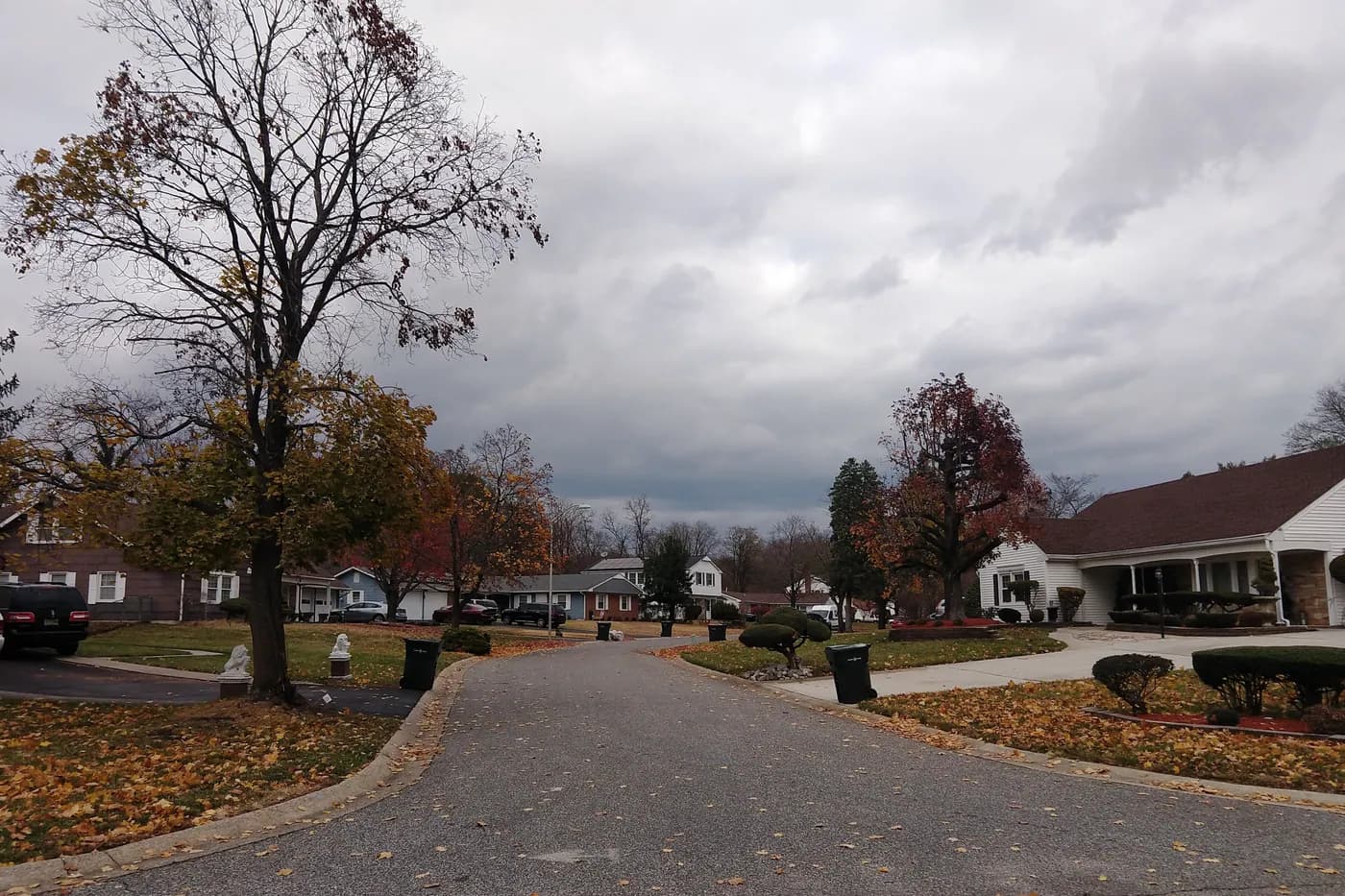
Photo: Mr. Matté (if there is an issue with this image, contact me using this image's Commons talk page, my Commons user talk page, or my English Wikipedia user talk p / CC BY-SA 4.0, via Wikimedia Commons
Local context
Homes and roofs in Willingboro
Willingboro is the most architecturally coherent municipality in Burlington County, and that is entirely deliberate. Built by Abraham Levitt and Sons across the 1950s and 1960s as one of the Levittown planned communities, it was laid out as a set of sections called parks, each with street names beginning with the same letter — an organising logic residents still navigate by.
For roofing, coherence cuts both ways. The houses were built in a small number of models, so a fault found on one is genuinely likely to exist on others nearby. But it also means they are all the same age, and they all reach the end of a roof covering at roughly the same time.
The area
The township covers eight square miles bordered by Burlington Township, Delanco, Delran, Edgewater Park, Moorestown, Mount Laurel and Westampton. Rancocas Creek drains it and forms the south-western boundary, while US Route 130 runs along the north-west. The historic community of Rancocas, in what was the south-east of the township, was annexed to Westampton specifically so it would not be bulldozed for the development.
The housing
The defining stock is Levitt-built housing from the late 1950s and early 1960s: single-storey and split-level models on regular lots, built to a small number of repeated plans. Roof geometry is simple and the pitches are shallow by modern standards, with limited overhang at the eaves. Original attic ventilation was minimal, and the models with a low-slope section over a carport, porch or extension are the ones that generate the most persistent problems. Later infill and renovation have added variety, but the underlying pattern is still clearly visible.
Common problems
What goes wrong on Willingboro roofs
- Shallow pitches with little margin for error in the covering and its laps
- Low-slope sections over carports, porches and extensions that were often shingled
- Minimal original attic ventilation, worsened by later insulation upgrades
- Very limited eave overhang, so the roof edge and fascia take the weather directly
- Whole streets of identical roofs reaching end of life within a few years of each other
- Decades of accumulated alterations — extensions, conversions, carport enclosures — each adding junctions
- Water working back under laps on shallow-pitched roofs during driven rain
- Persistent leaks on low-slope carport, porch and extension roofs
Repair or replace
Deciding between another repair and a new roof
The deciding question is whether the failure is local — one boot, one junction, one wind-damaged patch — or general across every slope. Deck condition and the number of existing layers settle most of the rest.
How to decideServices
Roofing services in Willingboro
Roof Replacement
Full tear-off and rebuild of the roof system, from decking and underlayment through to ridge ventilation.
Flat Roofing
Low-slope membrane roofing on additions, porches, dormers and commercial buildings.
Roof Repair
Leak tracing and targeted repairs for shingle, flat and tile roofs across Burlington County.
Roof Inspection
A documented assessment of what a roof is actually doing — before committing to any work.
Materials
Shingles, membranes and what goes underneath
Most roofs here are asphalt shingle, and architectural shingles are the usual replacement. Low-slope porches and additions need a membrane instead. The ice-and-water barrier, drip edge, flashing and ventilation matter as much as the covering.
About asphalt shingle roofingInspection
Know where the roof stands before it leaks
An inspection covers every slope, all flashing and penetrations, the roof edge and drainage, and the attic where it is accessible — with written findings and photographs.
What a roof inspection coversWeather
Storms and seasons
Standard western Burlington County weather, but the Levitt roof form is less forgiving of it than a steeper roof would be. A shallow pitch moves water more slowly, so wind-driven rain has a better chance of working back under a lap — which is why leaks here so often appear in specific storms rather than in ordinary rain.
Trees
Tree cover and debris
The street trees planted when the township was built are now sixty-plus years old, and the canopy over many of the parks is substantial. With limited eave overhang, leaf debris reaches the gutters readily, and slow-drying north-facing slopes under that canopy are where algae and, in places, moss appear.
Drainage
Gutters and roof water
Minimal overhang means the roof edge, the gutter and the wall are all very close together, so a gutter that backs up delivers water straight onto the fascia and often down the wall face. Many original installations had no drip edge, which makes that considerably more damaging. On a Levitt house, checking the fascia line is one of the more productive things anyone can do.
Questions
Roofing questions from Willingboro
Are Levitt-built houses harder to roof than other homes?
Not harder, but specific. The shallow pitch, the limited eave overhang, the minimal original ventilation and the low-slope sections over carports and porches are all characteristic, and all of them matter. Someone who has worked on the models here will go looking for those things rather than discovering them.
My carport roof has leaked no matter who repairs it. Why?
Most likely because it is too shallow for the covering that is on it. Below the minimum pitch for shingles, water moves too slowly to clear the laps and works back underneath them regardless of how carefully the edges are sealed. The durable answer is a membrane system, not another repair to the shingles.
The whole street seems to be getting new roofs. Should I be worried?
It is a genuine signal rather than a coincidence. The houses went up together, were roofed with the same materials, and have weathered identically, so they reach the end of a covering at much the same time. That said, ventilation and previous work vary house to house, so yours deserves its own assessment rather than an assumption either way.
My attic is damp and smells musty but the roof does not leak. What is happening?
That is typically a ventilation problem rather than a roof one. Moisture from the house rises into the attic and, with nowhere to escape, condenses on the cold underside of the deck. On these houses the usual cause is soffit intake that was minimal to begin with and has since been blocked by insulation. Baffles and clear intake generally resolve it.
Do you work throughout the parks?
Yes, across all of the township's sections. The models vary between parks and the alterations vary house to house, so what any particular roof needs is worth establishing on the property rather than by area.
Nearby
Service areas near Willingboro
Further reading
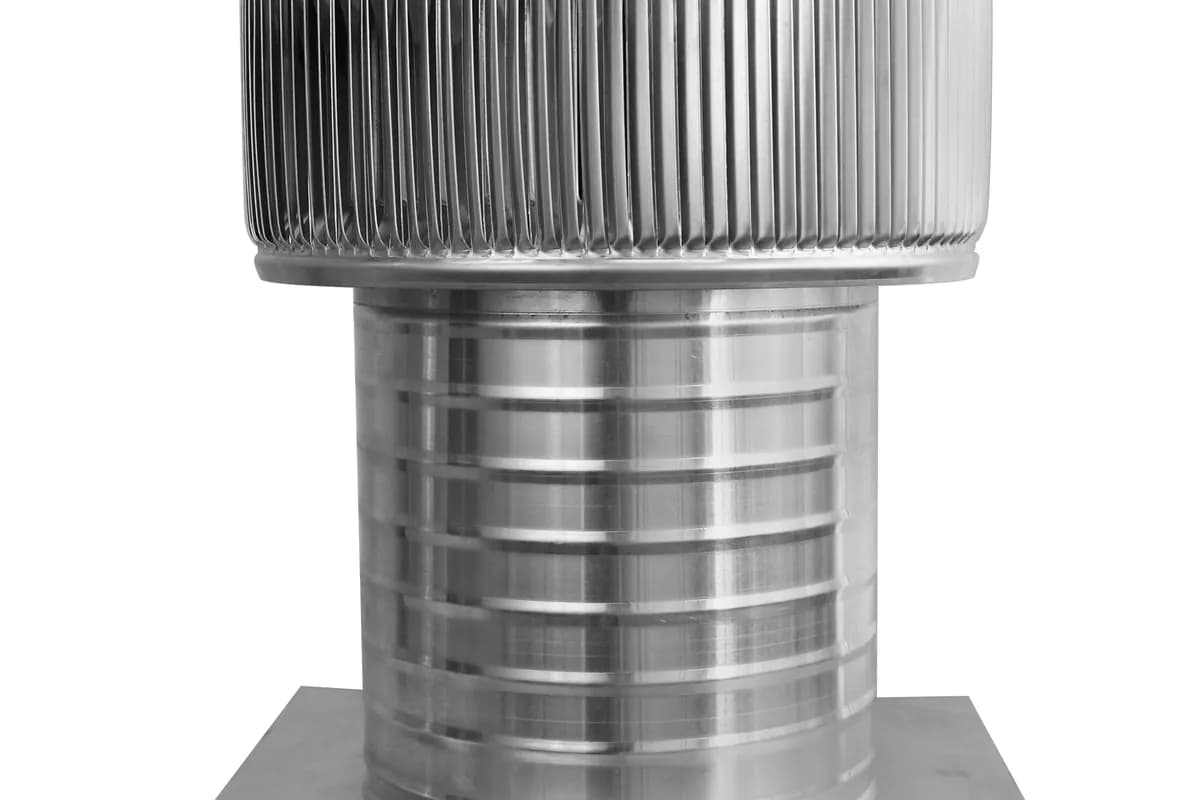
7 min read
How Roof Ventilation Helps Control Moisture
Most attic ventilation faults are not missing vents. They are vents that cannot draw, because nothing is feeding them.
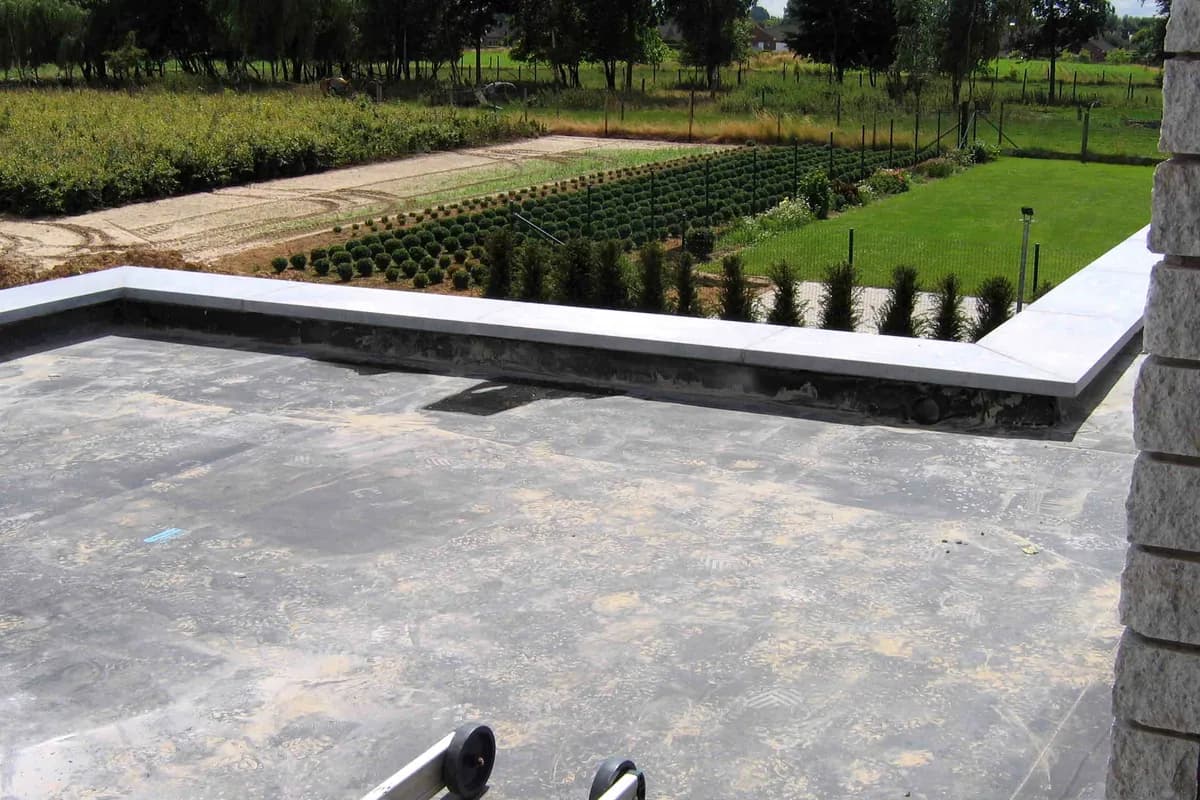
6 min read
Flat Roof Drainage Problems Explained
On a low-slope roof, almost every membrane problem is really a drainage problem that has been going on for a while.
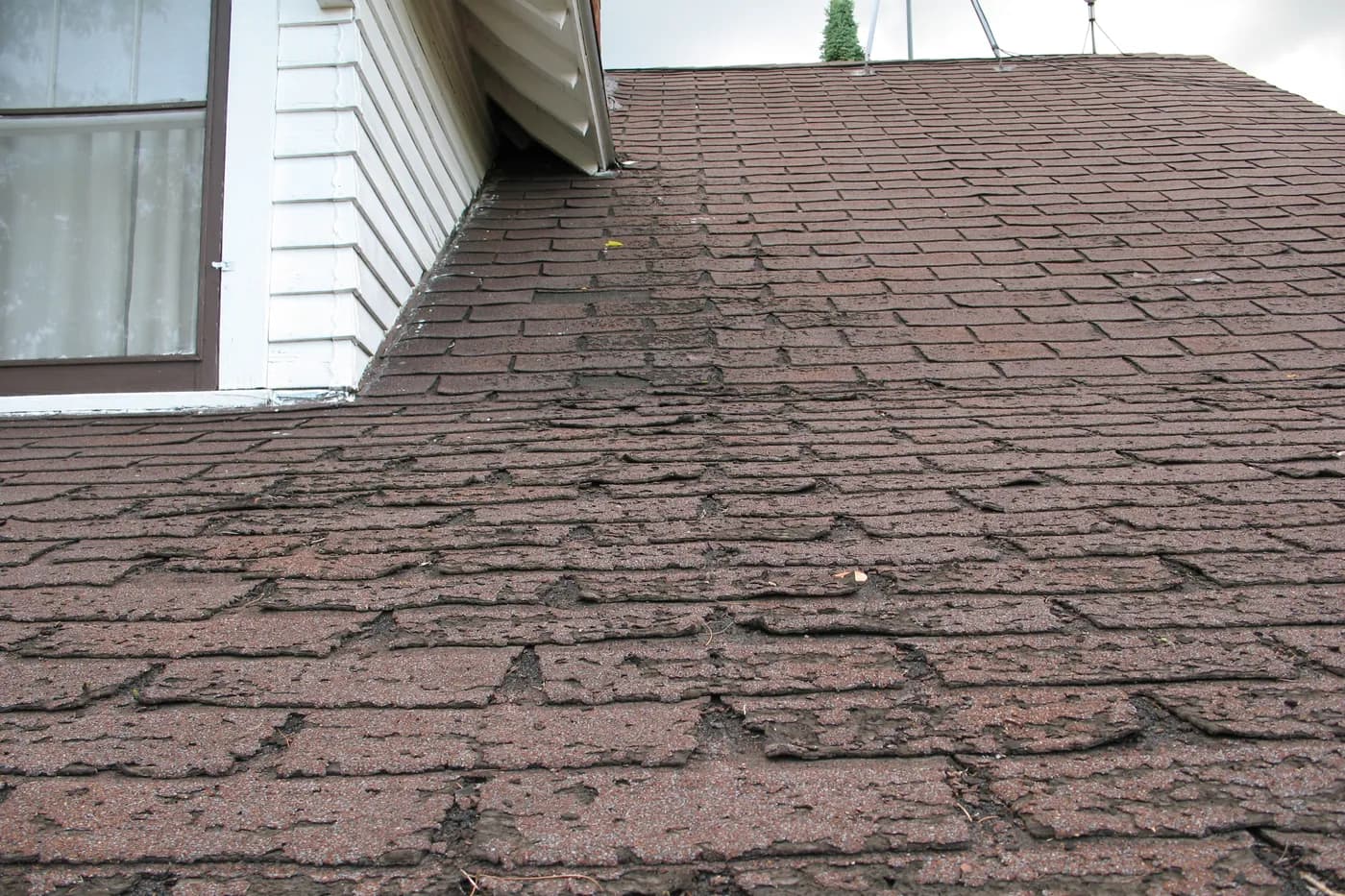
7 min read
When Is Roof Replacement Better Than Another Repair?
The honest answer usually turns on one distinction: whether the failure is in one place, or everywhere at once.
Request a roof assessment in Willingboro
Tell us about the roof. The municipality page you are on is recorded for context only — the property address you give is what we use.