How Roof Ventilation Helps Control Moisture
Published · Updated · 7 min read
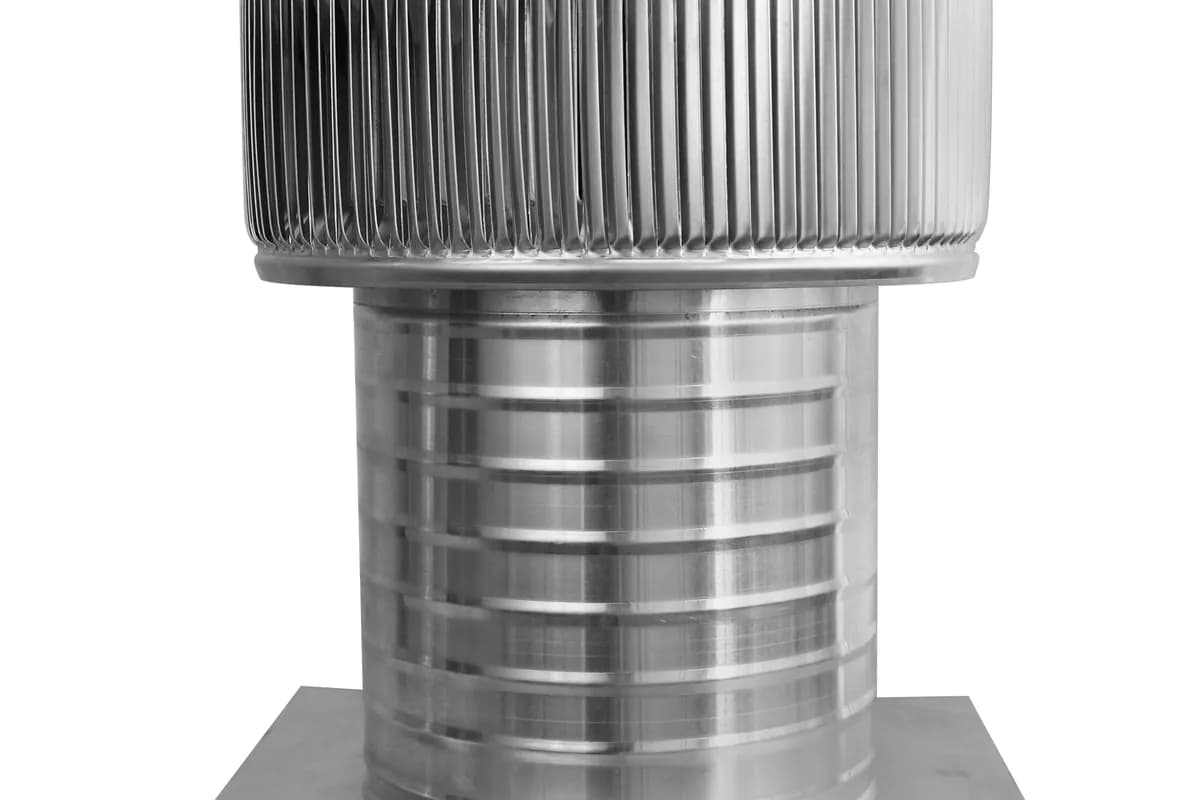
Photo: Roofvents / CC BY-SA 4.0, via Wikimedia Commons
Ventilation gets explained as a summer issue — letting hot air out of the attic. That is part of it, but the more consequential job happens in winter, and it is about moisture rather than heat.
An ordinary household puts a surprising volume of water vapour into the air every day, through cooking, washing, showering and simply breathing. That vapour rises, and a good deal of it ends up in the attic. Ventilation is how it leaves.
What happens when it cannot leave
Warm, moist air reaching a cold attic meets the underside of the roof deck, which in a South Jersey January is well below the dew point. The vapour condenses there.
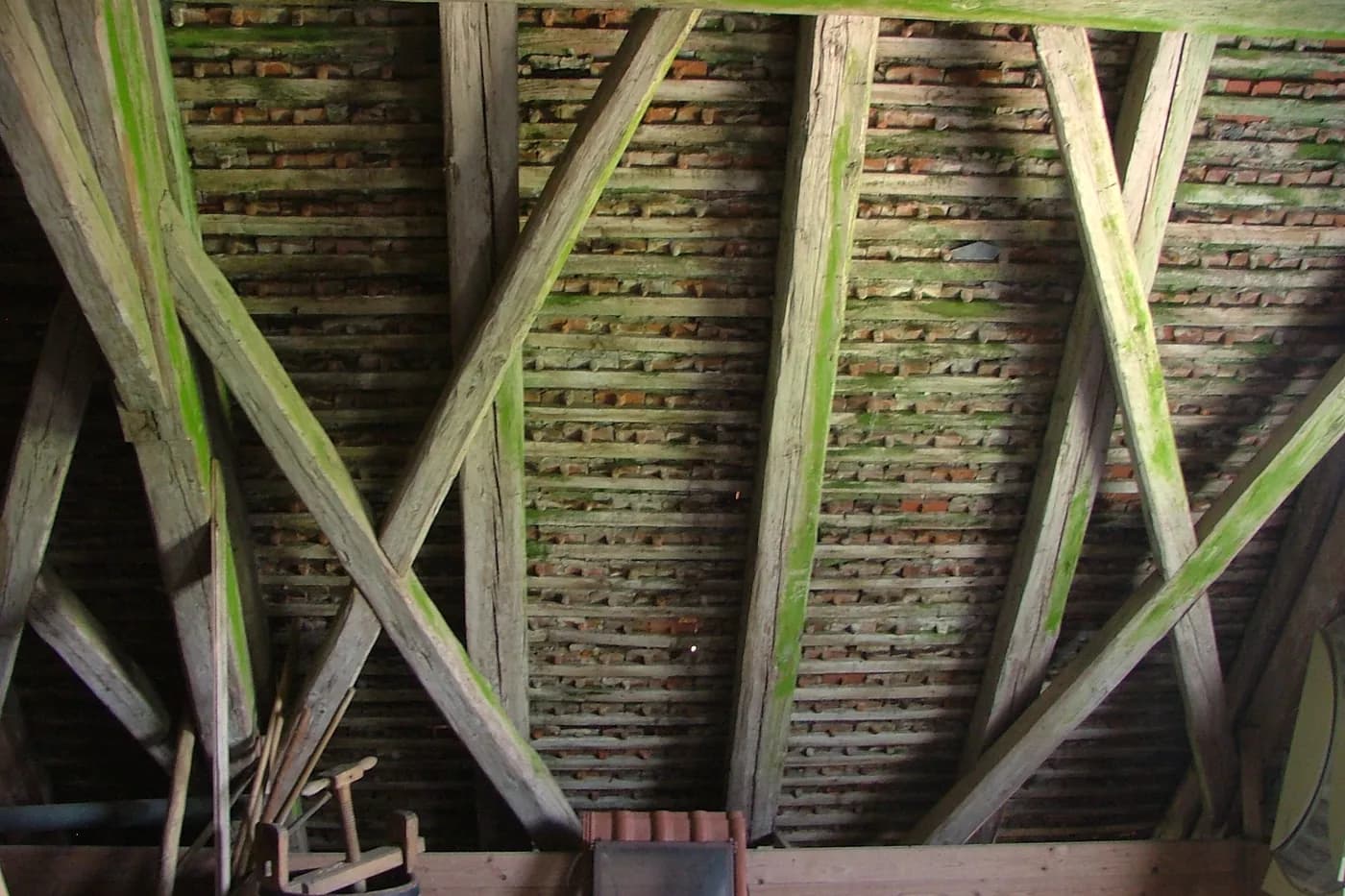
Do that every night for a winter and the results are cumulative: darkened sheathing, mould growth on the underside of the deck, rusty nail points, insulation that has absorbed moisture and lost much of its effectiveness, and in bad cases water dripping onto ceilings from what looks exactly like a roof leak but is not one.
Intake and exhaust are one system
Ventilation works by moving air through the attic. Cool outside air enters low, at the soffits under the eaves. Warm, moist air leaves high, at or near the ridge. The movement is driven by the fact that warm air rises and by wind passing over the roof.
Both halves are necessary. Exhaust without intake cannot draw — a ridge vent with no air feeding it either does nothing or pulls air from inside the house through ceiling gaps, which is worse than nothing because it brings more moisture up with it.
The most common fault by a distance
Blocked intake. Insulation pushed into the eaves during an upgrade, soffit vents painted over, or soffits that were never vented in the first place — all of them leave the roof looking correctly ventilated from outside while nothing moves inside.
It is easy to check. From inside the attic, at the very edge where the roof meets the wall plate, you should be able to see daylight or at least feel air. If insulation is packed into that space, the intake is closed. Baffles — rigid channels that hold the path open above the insulation — are the standard fix.
Mixing exhaust types
The other frequent fault is having several kinds of exhaust on the same attic space: a ridge vent, plus gable vents, plus an old powered fan.
Instead of cooperating, they short-circuit. The ridge vent pulls its air from the nearest gable vent rather than from the soffits, so air moves across the top of the attic while the lower portion stays completely still. Choosing one exhaust strategy and sealing the others generally improves things more than adding another vent.
Fans that discharge into the attic
Bathroom and kitchen exhaust fans are supposed to discharge outside the building. A surprising number discharge into the attic instead — either because the duct was never run to a termination, or because it has come adrift from one.
This is the single most concentrated moisture source an attic can have. A bathroom fan running twenty minutes a day delivers a remarkable amount of water vapour directly into the coldest space in the house. It is worth checking, and it is straightforward to fix.
Ice dams are a ventilation symptom
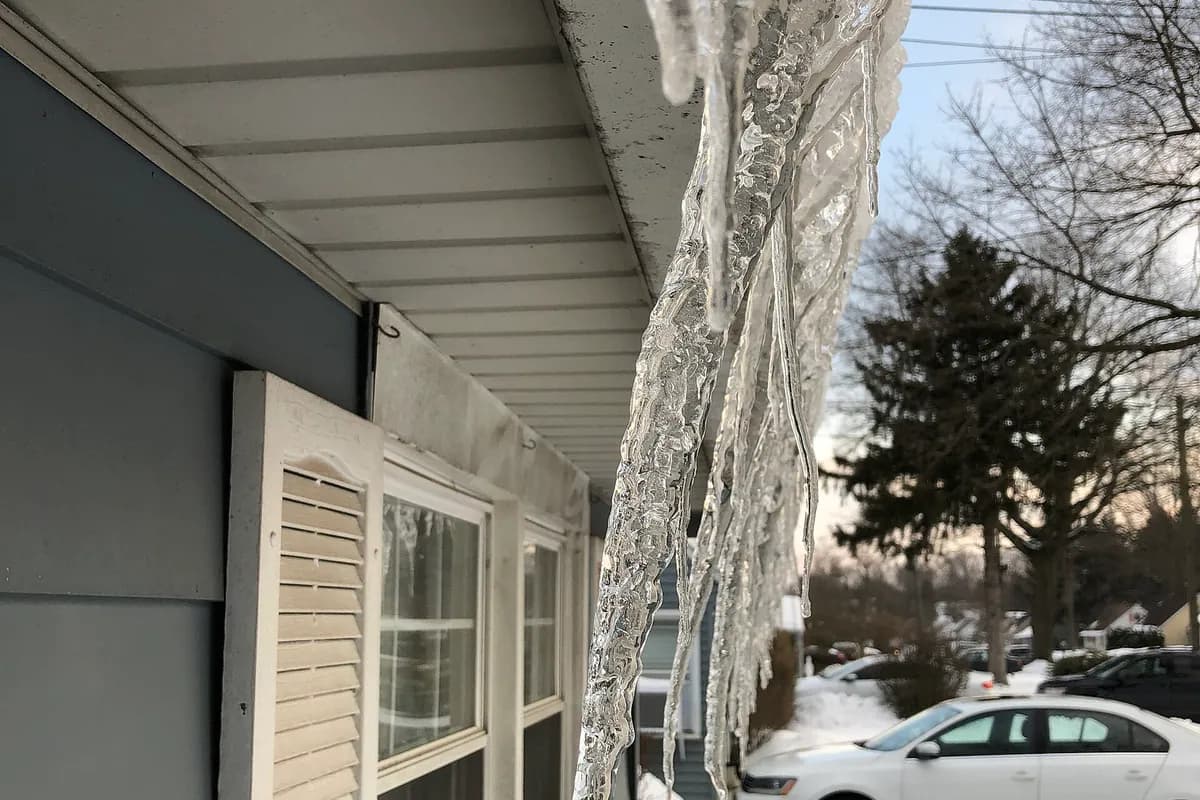
An ice dam is a thermal problem wearing a winter coat. Warmth leaking up from the living space turns the upper snowpack to water; that water creeps down the slope until it reaches the overhang, which sits outside the heated envelope and stays below freezing, and there it solidifies again. Each thaw adds another layer, and the growing lip of ice holds back meltwater that then finds its way beneath the shingle laps.
Clearing gutters and installing eave membrane help manage the consequences, but the cause is warm air in the attic. Sealing air leaks from the living space and getting the ventilation path working is what actually stops it recurring.
Why it shortens the life of shingles
Ventilation also affects the covering. An unventilated attic in July puts sustained heat against the underside of the deck, and the shingles above are then being cooked from both sides.
Asphalt ages by losing its volatile components and becoming brittle, and heat accelerates that. It is a large part of why two identical roofs installed on the same street in the same month can be years apart in condition a decade later.
Want someone to look at your roof?
Related services: Roof Inspection, Roof Replacement, Roof Installation