City of Bordentown · Burlington County
Roofing Contractors in Bordentown City, NJ
Roof repair, replacement and inspection for Bordentown City's historic housing above the Delaware.
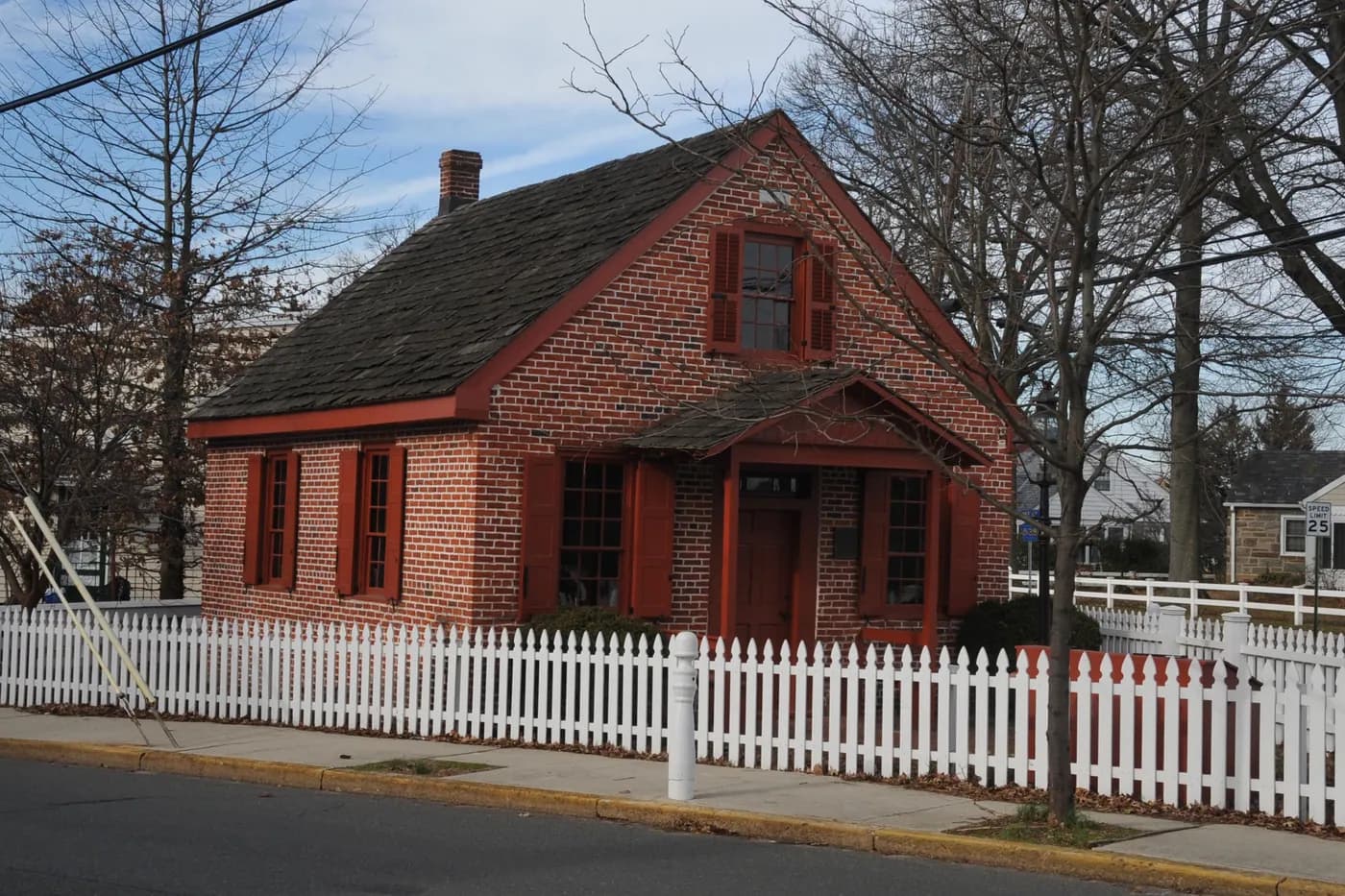
Photo: JERRYE & ROY KLOTZ MD / CC BY-SA 3.0, via Wikimedia Commons
A historic place
Bordentown City: the place and its buildings
Bordentown City occupies under a square mile on the bluff where Crosswicks Creek and Blacks Creek meet the Delaware. European settlement here dates to 1682, and the town took its present name after 1717 — which makes it one of the oldest continuously settled places in the county and gives it a building stock to match.
Roofing in a town like this is a different discipline from roofing a subdivision. The roofs are steeper, the geometry is more complicated, the chimneys are masonry, and a good deal of the work is about respecting what is already there while genuinely fixing it.
The core is dense historic housing: eighteenth and nineteenth century town houses and detached homes, frequently attached or closely set, with steep pitches, dormers, multiple chimneys and complex rooflines. Porch and rear addition roofs at low slope are common. Metal roofs and metal accent roofs over porches and bays are a recurring feature, as is plank sheathing beneath the covering.
Leaks and flashing
Where older roofs here let water in
- Chimney flashing failure on multi-chimney historic houses
- Persistent leaks on shingled low-slope porch roofs
- Step flashing failure at dormer cheeks
- Water held against masonry by blocked or undersized drainage
- Deteriorated metal porch and bay roofs
Services
Roofing services in Bordentown City
Roof Repair
Leak tracing and targeted repairs for shingle, flat and tile roofs across Burlington County.
Roof Replacement
Full tear-off and rebuild of the roof system, from decking and underlayment through to ridge ventilation.
Metal Roofing
Standing seam and metal panel roofing, plus repairs to existing metal roofs and accents.
Flat Roofing
Low-slope membrane roofing on additions, porches, dormers and commercial buildings.
Roof replacement
Replacing a roof on an older building
On older housing a tear-off usually reveals more than one previous covering and often plank sheathing rather than plywood. A quotation should state its decking allowance, and chimney and wall flashing should be rebuilt rather than reused.
What a replacement includesExposure
Wind and weather
The bluff position above the confluence leaves the town exposed to wind coming up the river corridor, and autumn coastal systems drive rain at the western elevations for hours at a time. On steep historic roofs the field usually copes; it is the flashing at chimneys, dormer cheeks and wall junctions that gets found out.
Drainage
Roof edges, gutters and where water goes
Historic housing in a tight street pattern leaves very little ground between one building and the next, so where roof water goes matters. Many of these roofs discharge through original or early gutter arrangements into confined side passages, and a blocked outlet puts water against masonry that then holds it. Getting the discharge properly away from the building is worth as much here as any work on the covering.
Historic-property considerations
What changes the approach here
- Complex historic rooflines with many junctions in a small area
- Masonry chimneys requiring flashing rebuilt as a complete assembly
- Low-slope porch and rear addition roofs on otherwise steep buildings
- Attached and closely set properties, constraining access and staging
- Historic-district considerations affecting visible materials and profiles
- Metal accent roofs over porches and bays needing matched repair
Questions
Roofing questions from Bordentown City
Does being in the historic district affect what can be done to my roof?
It can affect what is visible from the street — materials, profiles and the appearance of accent roofs and metalwork. What it does not change is the underlying assembly: deck, water barriers, flashing and ventilation all still have to be right. It is worth checking local requirements before specifying anything visible, rather than after.
Is Bordentown City the same as Bordentown Township?
No. They are separate municipalities. The city was incorporated as a borough in 1825, became a city in 1867 and separated from Chesterfield Township around 1877; the township surrounds it on three sides. The housing is quite different — the city is dense and historic, the township largely suburban.
My house has three chimneys and two of them leak. Is that typical?
For a historic house, unfortunately yes. Chimneys are the hardest-working flashing detail on any roof, and on older properties they have usually been sealed repeatedly rather than re-flashed. A chimney needs a base, step flashing woven course by course, counter-flashing let into the masonry and — on a wide one — a cricket behind it. Rebuilt properly, it stops being an annual problem.
The porch roof is almost flat. Can it keep being shingled?
It should not be. Below the minimum pitch for shingles, water moves too slowly to clear the laps and works back underneath, which is why these roofs leak repeatedly whatever is done to the edges. A membrane system is the right answer, and on a historic property it can be detailed so it is not obtrusive.
Access is tight on my street. Is that a problem?
It is a planning matter rather than an obstacle. Ladder placement, where the debris container stands, and protecting adjoining property all need agreeing in advance on a dense historic street, because there is very little room to improvise once work has started.
Nearby
Service areas near Bordentown City
- Bordentown Township
- Fieldsboro
- Mansfield Township
- Florence Township
- Chesterfield Township
- All 40 municipalities
Further reading
6 min read
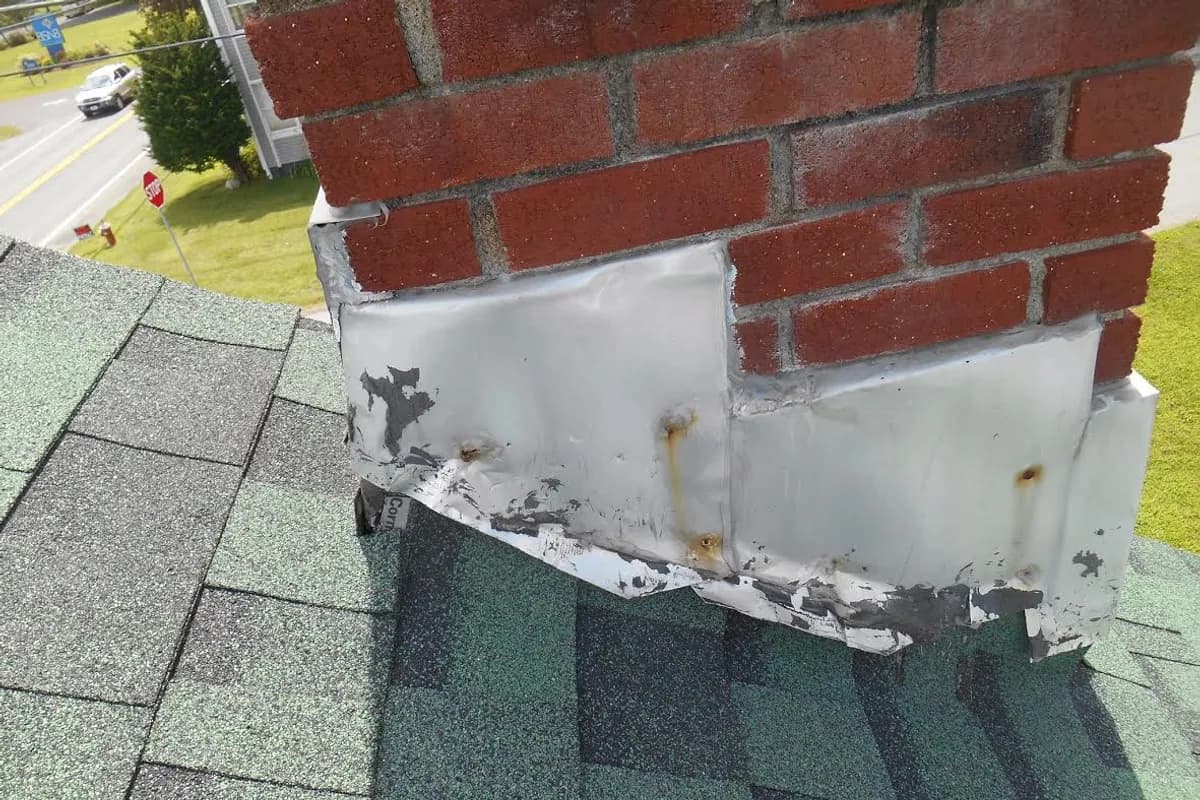
How Flashing Protects Roof Penetrations
A roof is a continuous surface interrupted by holes. Flashing is the craft of making those interruptions shed water.
6 min read
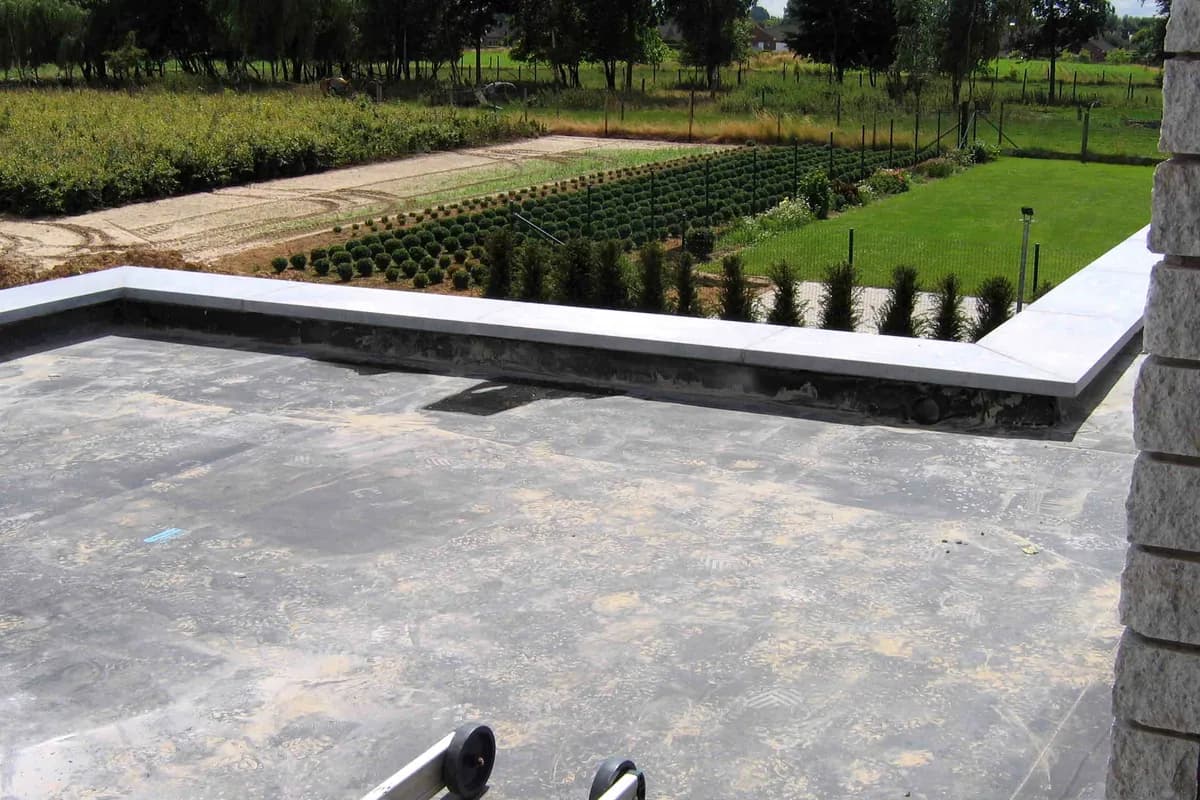
Flat Roof Drainage Problems Explained
On a low-slope roof, almost every membrane problem is really a drainage problem that has been going on for a while.
7 min read
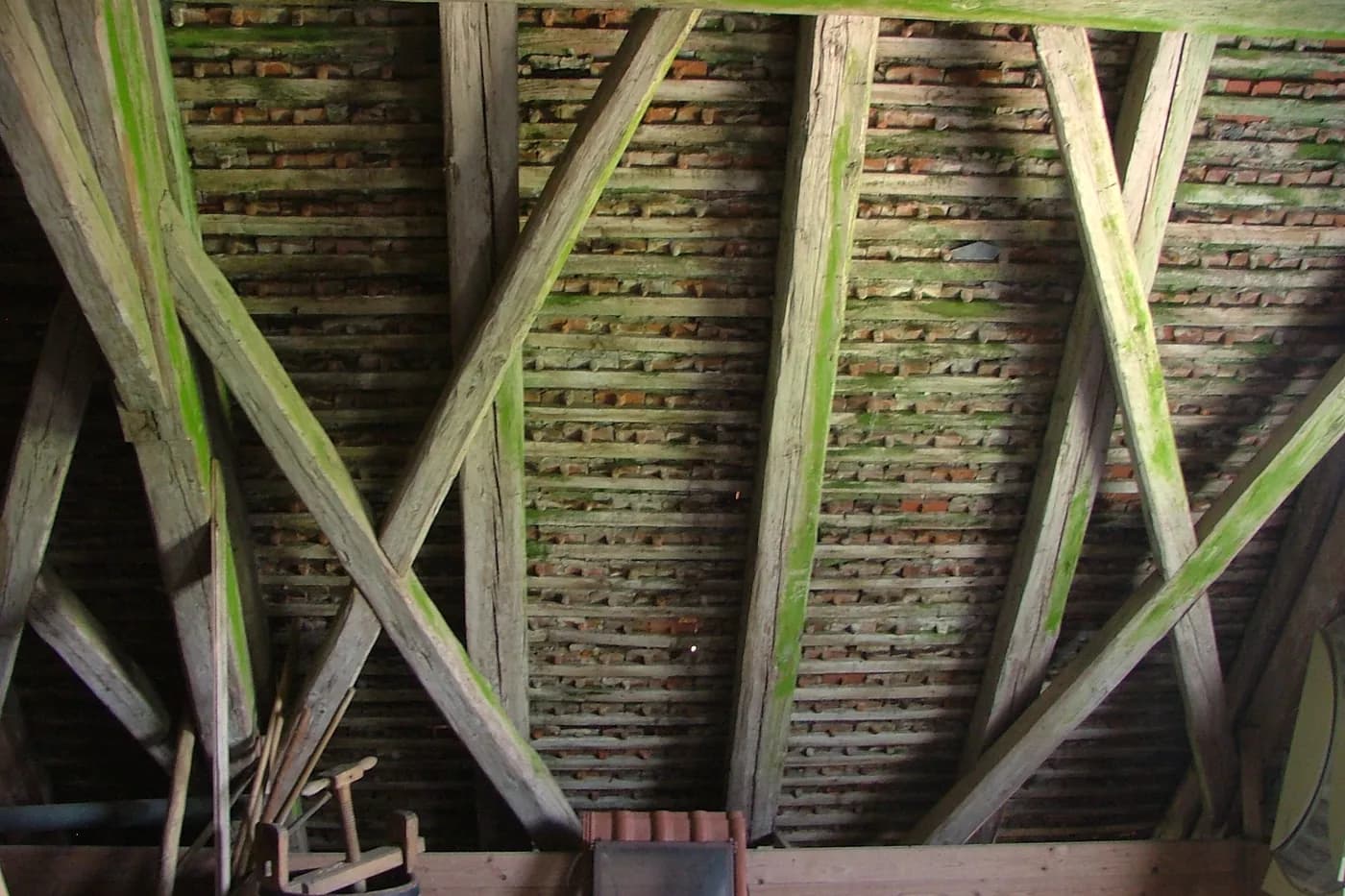
Roof Leak Warning Signs Homeowners Miss
By the time water drips from a ceiling, it has usually been getting in for months. The earlier signals are quieter, and most of them are not wet.
Ask about a roof in Bordentown City
Tell us about the roof. The municipality page you are on is recorded for context only — the property address you give is what we use.