Moorestown Township · Burlington County
Roofing Contractors in Moorestown, NJ
Roofing for Moorestown's historic-district homes, substantial residential property and commercial buildings.
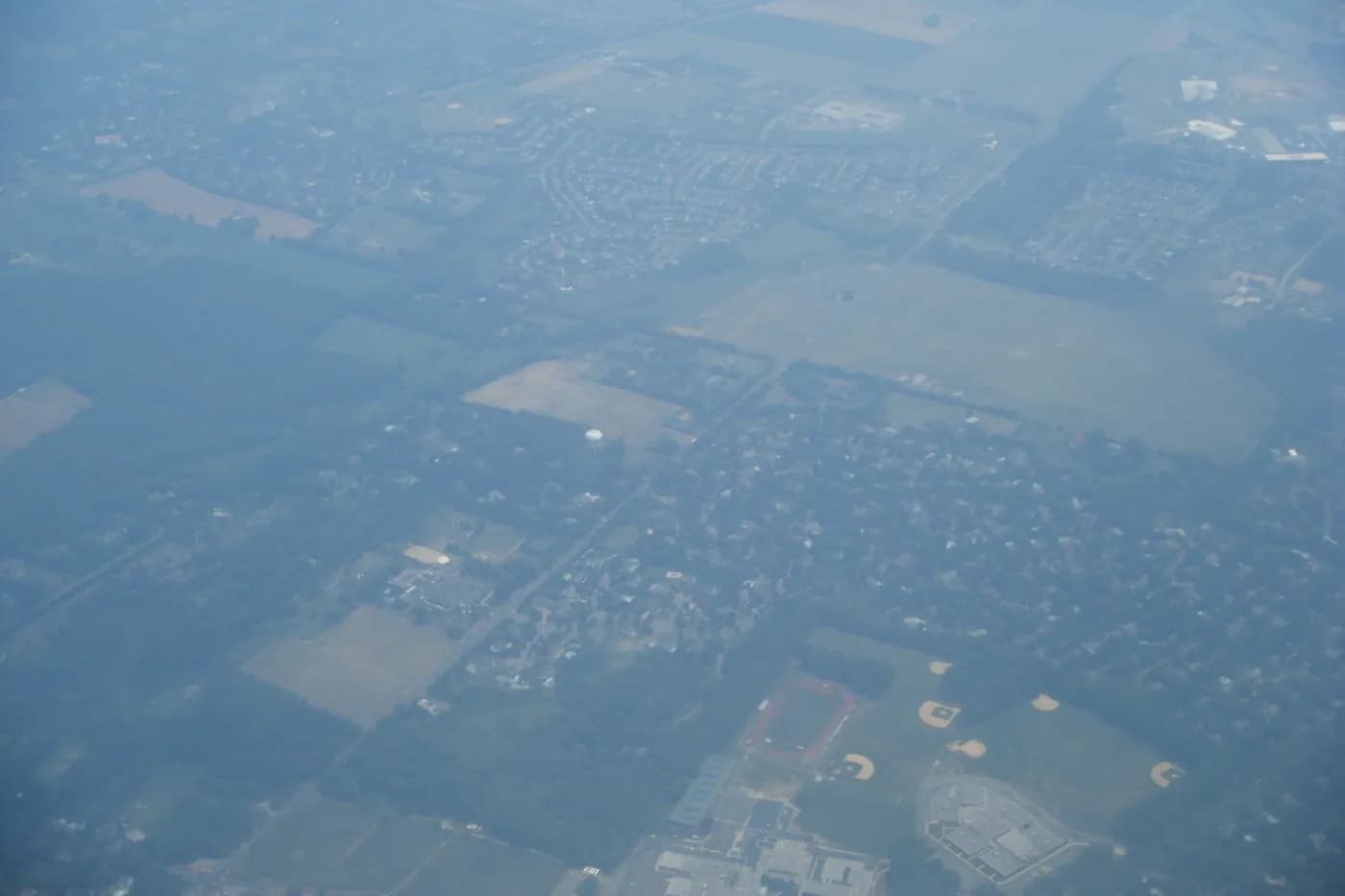
Photo: Dough4872 / Public domain, via Wikimedia Commons
Residential and commercial
Two kinds of roofing work in Moorestown
Moorestown combines two things that rarely sit together so closely: a 47-acre listed historic district covering a town centre continuously built from 1720 onward, and a substantial modern commercial and retail presence along the Route 38 corridor.
For roofing, that means the township genuinely needs both ends of the trade at a high standard. Careful, correctly detailed work on older and architecturally significant houses, and competent low-slope membrane work on the commercial buildings a mile away.
The municipality
The township covers fifteen square miles in the south-west of the county, about ten miles east of Philadelphia, bordered by Maple Shade, Cinnaminson, Delran, Willingboro and Mount Laurel. The Moorestown Historic District, listed since 1990, covers the historic centre. Moorestown-Lenola is a census-designated place within the township, and Bortons Landing, North Bend, Stanwick and West Moorestown are other localities. Route 38, Route 73 and Interstate 295 serve it.
The building stock
The historic district holds substantial older housing — colonial and Victorian, with steep and complex roofs, dormers, bays, multiple masonry chimneys and deep porches at low slope. Beyond it are large detached homes from across the twentieth century on generous, mature, well-planted lots. Along the corridors there is retail, office and commercial building on low-slope membrane roofs.
Commercial roofing
Low-slope roofs on commercial buildings
- Architecturally significant houses where visible detailing genuinely matters
- Complex historic rooflines with many valleys, dormers and chimneys
- Deep porch roofs at low slope requiring membrane rather than shingles
- Large, articulated roofs on substantial twentieth-century homes
- Mature planting and specimen trees to protect during tear-off
- Commercial low-slope roofs with rooftop plant along Route 38
Roof repair
Repairs that come up most
- Leaks at valleys on complex historic and large residential roofs
- Chimney flashing failure on historic masonry stacks
- Repeated leaks on shingled low-slope porch roofs
- Water overshooting gutters where a valley discharges
- Ponding and blocked drains on commercial roofs along the corridor
Replacement
Planning a replacement around an occupied building
Commercial replacement is sequenced so each section opened is made watertight the same day. On a house, it is a tear-off to the deck with flashing and ventilation rebuilt — not reused.
How roof replacement worksDrainage
Drains, scuppers, gutters and ponding
A large historic house sheds a great deal of water through comparatively few outlets, and original arrangements were not designed for the intensity of a modern summer downpour. Valley discharge overshooting a gutter is a frequent finding, and on a property with mature planting and lawns that shows up as erosion in one specific place. On the commercial side, drains and scuppers are the priority.
Weather
Storms and seasonal load
Ordinary south-western county weather, but on complex historic roofs the difficulty is concentration rather than exposure: heavy short-duration summer rainfall funnelled through multiple valleys, and sustained autumn rain finding flashing details at the many junctions these houses have.
Trees
Tree cover
Moorestown's mature street trees and established plantings are part of its character, and they put a sustained debris load onto some genuinely complicated roofs. On a house with five or six valleys, that debris has plenty of places to gather, and clearing valleys matters more here than clearing gutters.
Inspection
Twice-yearly for commercial, annually for homes
Most of the value on a commercial roof is keeping the drains clear and catching failed terminations and new penetrations. On houses, an annual look plus one after significant storms.
Roof inspectionServices
Roofing services in Moorestown
Roof Repair
Leak tracing and targeted repairs for shingle, flat and tile roofs across Burlington County.
Flat Roofing
Low-slope membrane roofing on additions, porches, dormers and commercial buildings.
Roof Replacement
Full tear-off and rebuild of the roof system, from decking and underlayment through to ridge ventilation.
Commercial Roofing
Low-slope and membrane roofing for commercial, retail, industrial and institutional buildings.
Questions
Roofing questions from Moorestown
My house is in the historic district. Does that limit my options?
It principally affects what is visible from the street — materials, profiles, colour and visible metalwork. The assembly underneath is not restricted and still has to be right. The district was listed for its architecture and community development, so anything visible is worth confirming against local requirements before it is ordered.
Why does a large older house need so much flashing work?
Because it has so many junctions. Dormers, bays, porch roofs, multiple chimneys and several valleys all represent points where the covering is interrupted and metal has to carry water across the break. The open field of a roof rarely fails; the interruptions do, and a big historic house has many more of them.
What happens to my planting during a roof replacement?
It needs protecting deliberately, and on a property with mature specimen planting that should be discussed before work starts. A tear-off produces a great deal of debris and an enormous number of nails, so ground protection during the work and thorough magnetic sweeps of lawns, beds and drives afterwards are part of doing the job properly.
Do you also cover the commercial buildings on Route 38?
Yes. Those are largely low-slope membrane roofs with rooftop mechanical plant, which fail at seams, terminations, penetrations and drains rather than in the field. That work is covered under commercial roofing and flat roofing.
The porch roof leaks though the main roof is sound. Why?
Because it is a different kind of roof. A deep porch roof is almost always at a slope too shallow for shingles, so water works back under the laps regardless of how carefully the edges are sealed. It needs a membrane system, and the junction where it meets the house wall needs proper base flashing rather than sealant.
Nearby
Service areas near Moorestown
Further reading
6 min read
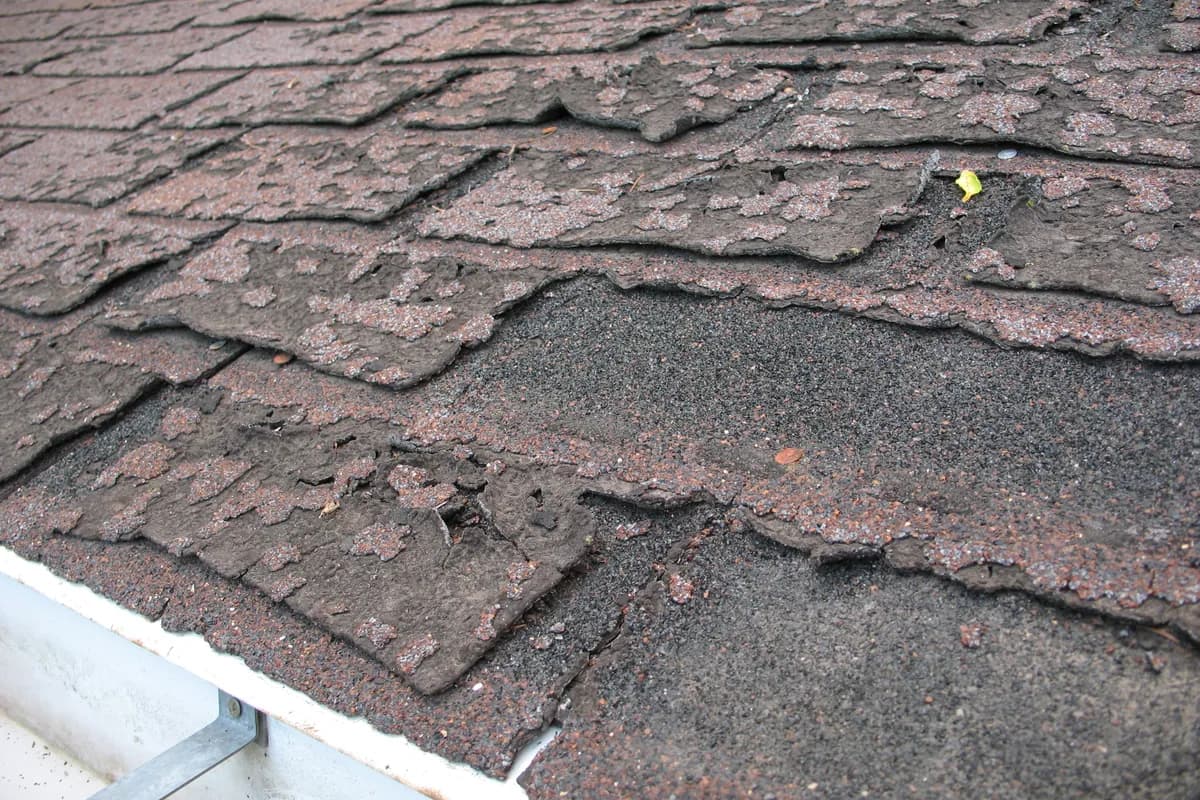
Why Roof Valleys Are Common Leak Areas
A valley may carry half a roof's drainage through a channel a few inches wide. It is the hardest-working part of the covering.
6 min read
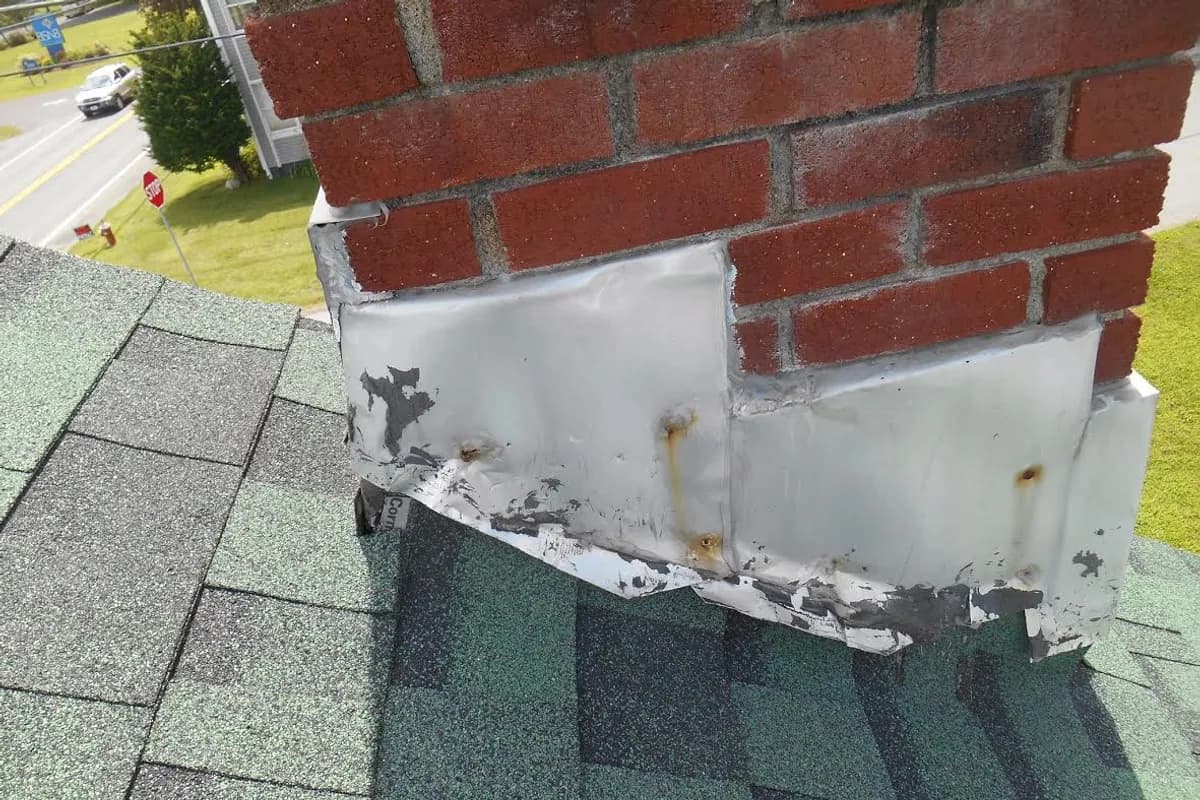
How Flashing Protects Roof Penetrations
A roof is a continuous surface interrupted by holes. Flashing is the craft of making those interruptions shed water.
6 min read
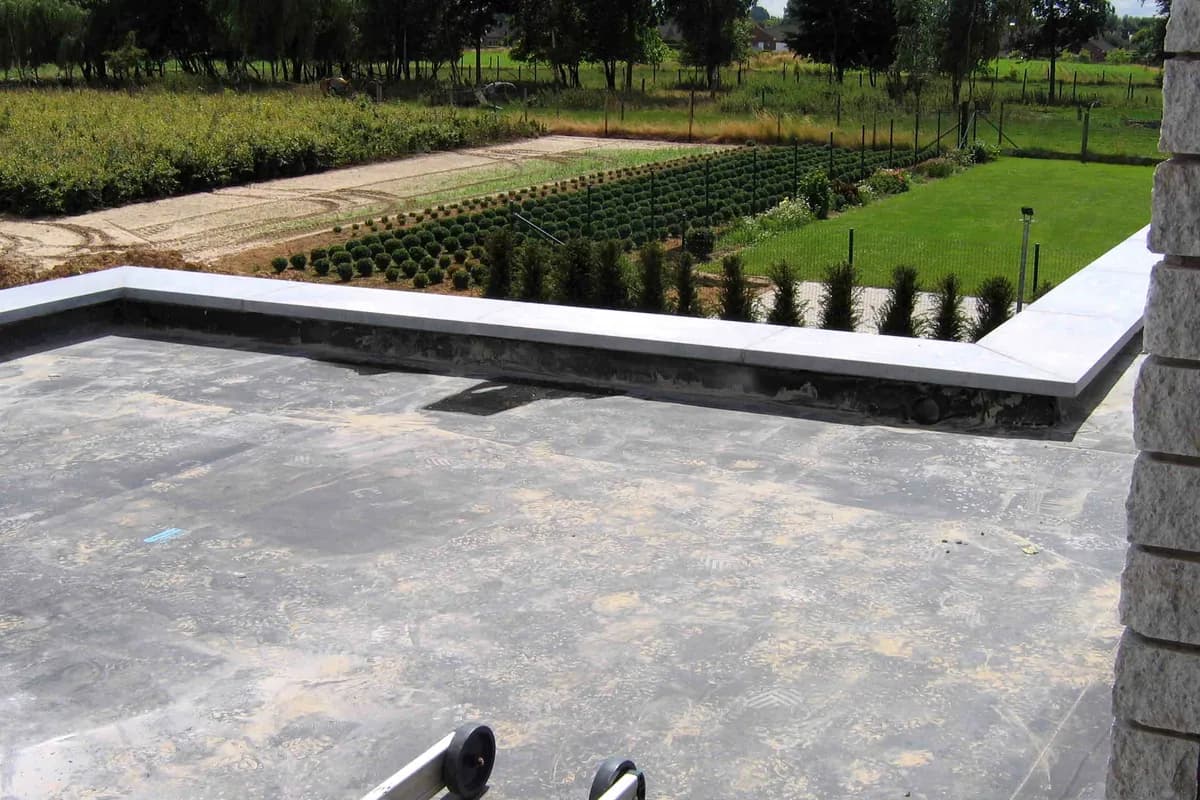
Flat Roof Drainage Problems Explained
On a low-slope roof, almost every membrane problem is really a drainage problem that has been going on for a while.
Residential or commercial roofing in Moorestown
Tell us about the roof. The municipality page you are on is recorded for context only — the property address you give is what we use.