Cinnaminson Township · Burlington County, NJ
Roofing Contractors in Cinnaminson, NJ
Roof repair, replacement and inspection across Cinnaminson Township's established residential neighbourhoods.
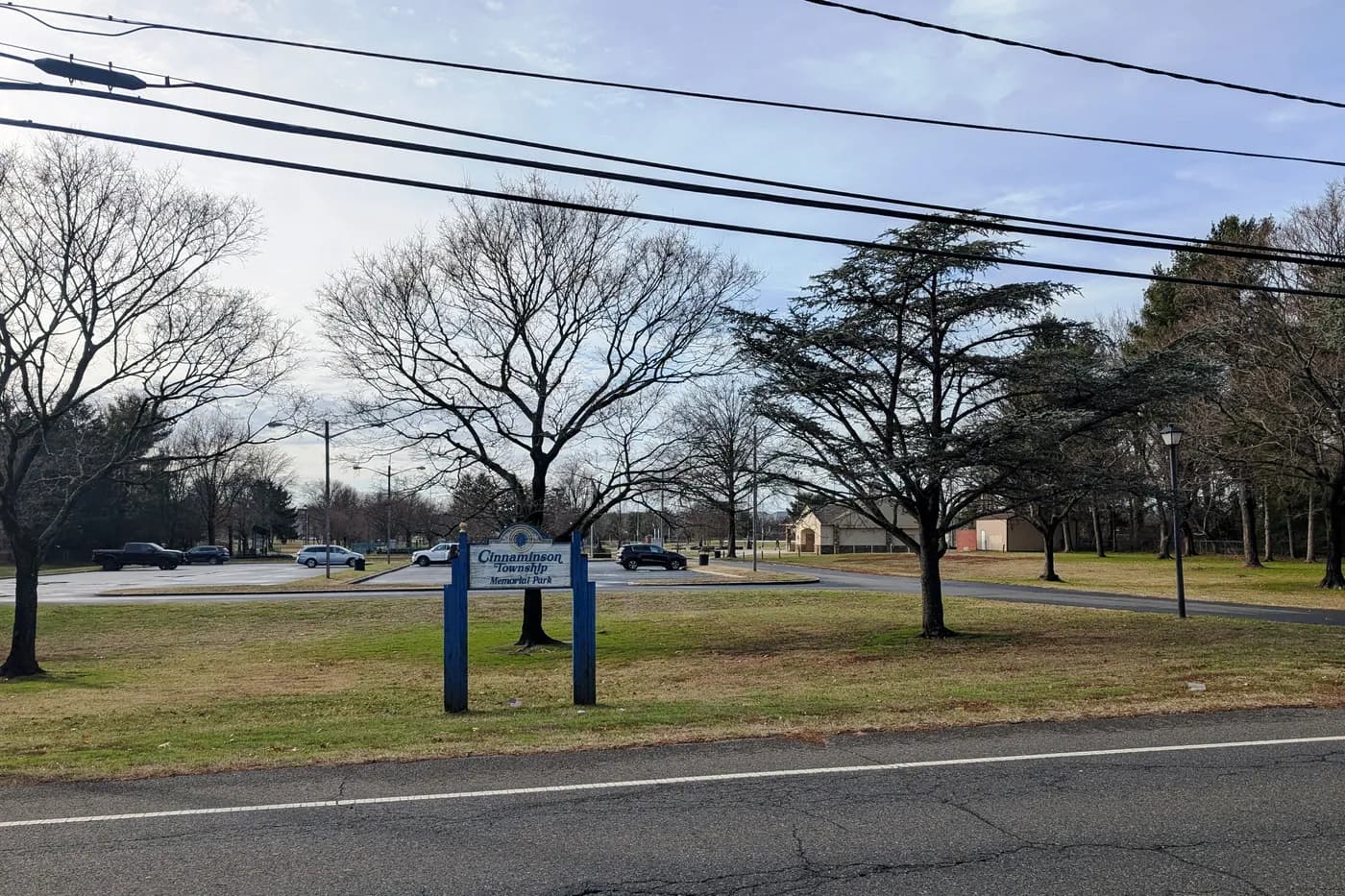
Photo: Mr. Matté (if there is an issue with this image, contact me using this image's Commons talk page, my Commons user talk page, or my English Wikipedia user talk p / CC BY-SA 4.0, via Wikimedia Commons
Local context
Homes and roofs in Cinnaminson
Cinnaminson is one of the county's classic post-war suburbs: laid out along the river side of Burlington County, ten minutes from the Tacony-Palmyra crossing, and built out largely in the decades either side of 1960. The housing reflects that precisely — ranches, split-levels, Cape Cods and colonials on regular lots, with mature street trees that have grown up alongside them.
The roofs on that housing are now well into their second or third covering, and the questions that come up here are correspondingly consistent: how many layers are on the deck, whether the attic has ever been ventilated properly, and whether the original flashing was rebuilt or reused the last time somebody re-roofed.
The area
The township covers just under eight square miles between Palmyra and Riverton to the north-west and Moorestown and Maple Shade to the south-east, with frontage on the Delaware River and Philadelphia directly across the water. Bellview, East Riverton, New Albany, Parry and Wrightsville are all localities within its boundaries. Cinnaminson was incorporated in 1860, and Delran, Riverton and Palmyra were all carved out of it later — which is why its boundaries wrap around them the way they do.
The housing
The dominant housing is mid-century detached suburban: single-storey ranches with long, shallow-pitched roof runs, split-levels with roof planes at different heights meeting at awkward junctions, and Capes with dormers cut into the front slope. Roof geometry is mostly simple, which is good news — but the eaves are shallow, the original attic ventilation was minimal by modern standards, and the dormer and split-level junctions are where these houses reliably leak.
Common problems
What goes wrong on Cinnaminson roofs
- Second and third coverings on mid-century roofs, with deck condition unknown until tear-off
- Split-level junctions where an upper roof plane meets a lower wall
- Cape Cod dormer cheeks, where step flashing is often a single continuous strip
- Minimal original attic ventilation, with soffit intake frequently blocked by later insulation
- Mature street trees dropping debris into gutters and valleys through much of the year
- Leaks where a split-level upper roof meets the lower wall
- Failed step flashing on Cape Cod dormer cheeks
Repair or replace
Deciding between another repair and a new roof
The deciding question is whether the failure is local — one boot, one junction, one wind-damaged patch — or general across every slope. Deck condition and the number of existing layers settle most of the rest.
How to decideServices
Roofing services in Cinnaminson
Roof Replacement
Full tear-off and rebuild of the roof system, from decking and underlayment through to ridge ventilation.
Roof Repair
Leak tracing and targeted repairs for shingle, flat and tile roofs across Burlington County.
Roof Inspection
A documented assessment of what a roof is actually doing — before committing to any work.
Gutter Services
Gutters, downspouts and roof-edge drainage — the part of the roof system that moves water away.
Materials
Shingles, membranes and what goes underneath
Most roofs here are asphalt shingle, and architectural shingles are the usual replacement. Low-slope porches and additions need a membrane instead. The ice-and-water barrier, drip edge, flashing and ventilation matter as much as the covering.
About asphalt shingle roofingInspection
Know where the roof stands before it leaks
An inspection covers every slope, all flashing and penetrations, the roof edge and drainage, and the attic where it is accessible — with written findings and photographs.
What a roof inspection coversWeather
Storms and seasons
Being close to the river, Cinnaminson gets the full force of autumn coastal systems driving rain in from the south-east, and that is when the leaks in split-level and dormer junctions typically appear. Summer storms bring the gusts that break shingle seals on the long, exposed ranch roof runs.
Trees
Tree cover and debris
The township's older residential streets carry a substantial mature canopy, and the shade it casts keeps north-facing slopes damp well into the day. That is where algae streaking shows first, and on the most shaded roofs it is where moss becomes a genuine concern rather than a cosmetic one — moss grows under the bottom edge of shingles and lifts them.
Drainage
Gutters and roof water
Shallow mid-century eaves leave very little margin between the roof edge and the gutter, so a gutter that fills backs water up onto the fascia and the deck edge quickly. A great many houses here were built without drip edge at all, which makes that backup considerably more damaging. It is worth checking the fascia line for softness on any Cinnaminson house that has never had it addressed.
Questions
Roofing questions from Cinnaminson
How many layers of shingles are likely on a Cinnaminson roof?
On mid-century housing here it is very common to find two. Roofing over the original covering was standard practice for decades, and it means the deck has not been seen since the house was built. That matters because a second layer hides rot, adds weight and holds heat against the newer shingles — and it makes the next job a full tear-off of both layers regardless.
Why does my split-level leak only in certain storms?
Because the junction where the upper roof plane meets the lower wall usually relies on gravity rather than a genuine seal. It sheds a vertical downpour perfectly well, and then rain driven sideways from the river direction gets behind the flashing leg. It is a detail worth correcting rather than waiting out, since the next storm from the same quarter will do the same thing.
My attic was insulated a few years ago and now it feels damp. Are those related?
Very likely. The most common consequence of an insulation upgrade on a mid-century house is insulation pushed into the eaves, which blocks the soffit intake. The roof still looks correctly ventilated from outside, but no air can move through the attic, so moisture from the house condenses on the underside of the deck. Baffles to hold the intake path open are the usual fix.
There are dark streaks on the back of my roof. Does it need replacing?
Almost certainly not. That is algae, and it grows wherever a roof stays damp — which on the township's tree-lined streets means the north-facing slope. It is cosmetic. What does matter is moss, which is thicker, holds water and physically lifts shingle edges. And whichever it is, do not let anyone pressure wash an asphalt roof: it strips granules and genuinely shortens its life.
Do you work in East Riverton and Bellview?
Yes — those and the township's other localities are all within Cinnaminson and are covered the same way. The housing does vary between them, so what a roof needs is worth establishing on the property rather than by neighbourhood.
Nearby
Service areas near Cinnaminson
Further reading
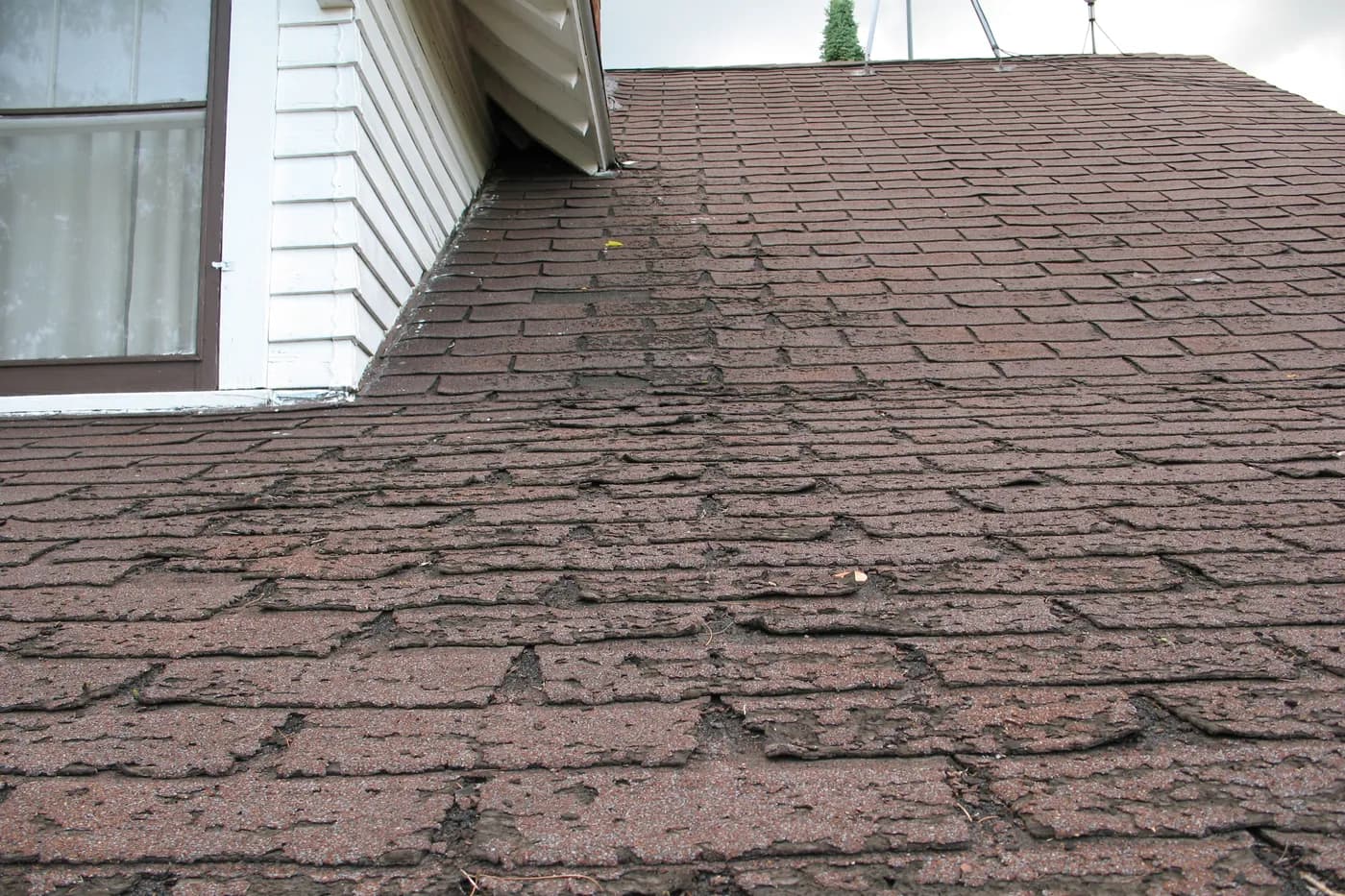
7 min read
When Is Roof Replacement Better Than Another Repair?
The honest answer usually turns on one distinction: whether the failure is in one place, or everywhere at once.
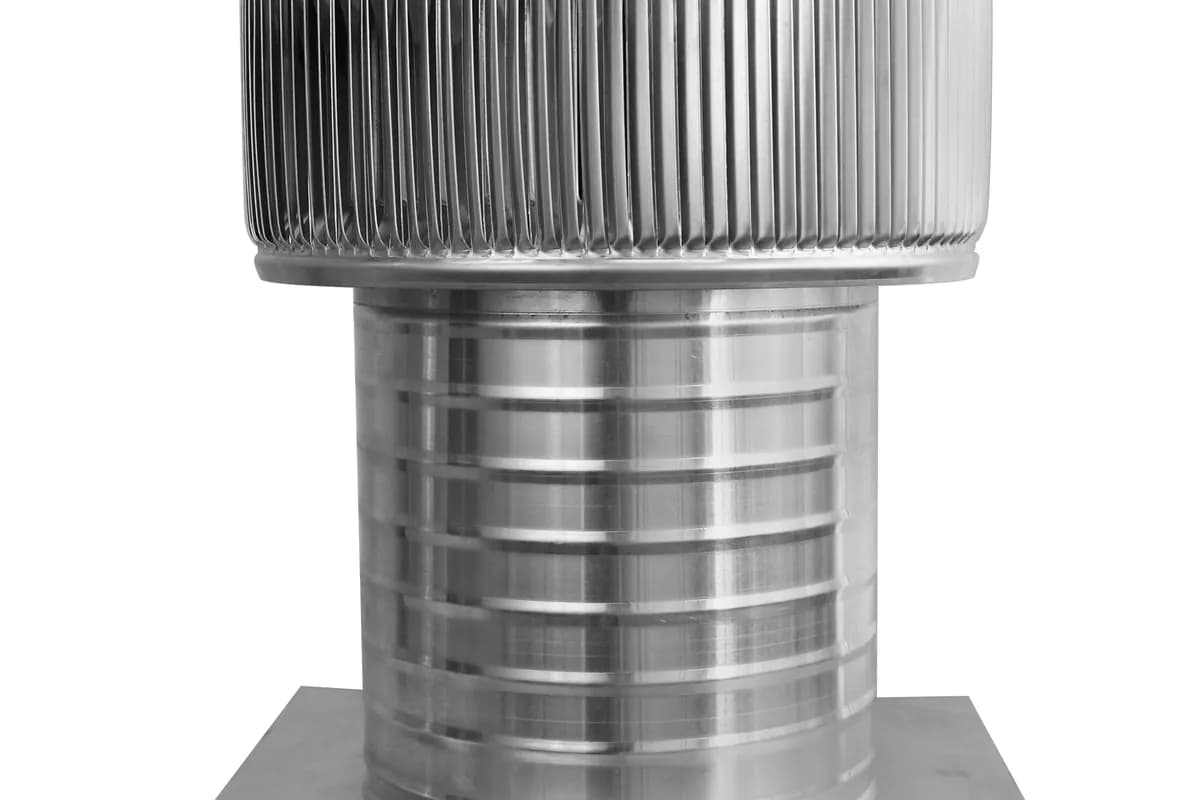
7 min read
How Roof Ventilation Helps Control Moisture
Most attic ventilation faults are not missing vents. They are vents that cannot draw, because nothing is feeding them.
7 min read
Asphalt Shingle Roof Lifespan in New Jersey
The number on the warranty and the number of years a roof lasts are two different things, and they are not closely related.
Request a roof assessment in Cinnaminson
Tell us about the roof. The municipality page you are on is recorded for context only — the property address you give is what we use.