Asphalt Shingle Roofing in Burlington County, New Jersey
Asphalt shingles cover the overwhelming majority of roofs in Burlington County, and for good reason: they suit the pitches that the county's houses were built at, they are repairable in sections, and they handle this climate's swing from humid summers to freeze-and-thaw winters without much drama.
They are also frequently installed badly, and the ways they are installed badly are consistent. Fasteners in the wrong place. No starter course at the rake. Ridge vent over blocked soffits. Reused flashing. None of these show on the day, and all of them shorten the life of the roof by years.
This page is about what actually determines how long a shingle roof lasts, which has more to do with fastening, ventilation and detailing than with the shingle on the box.
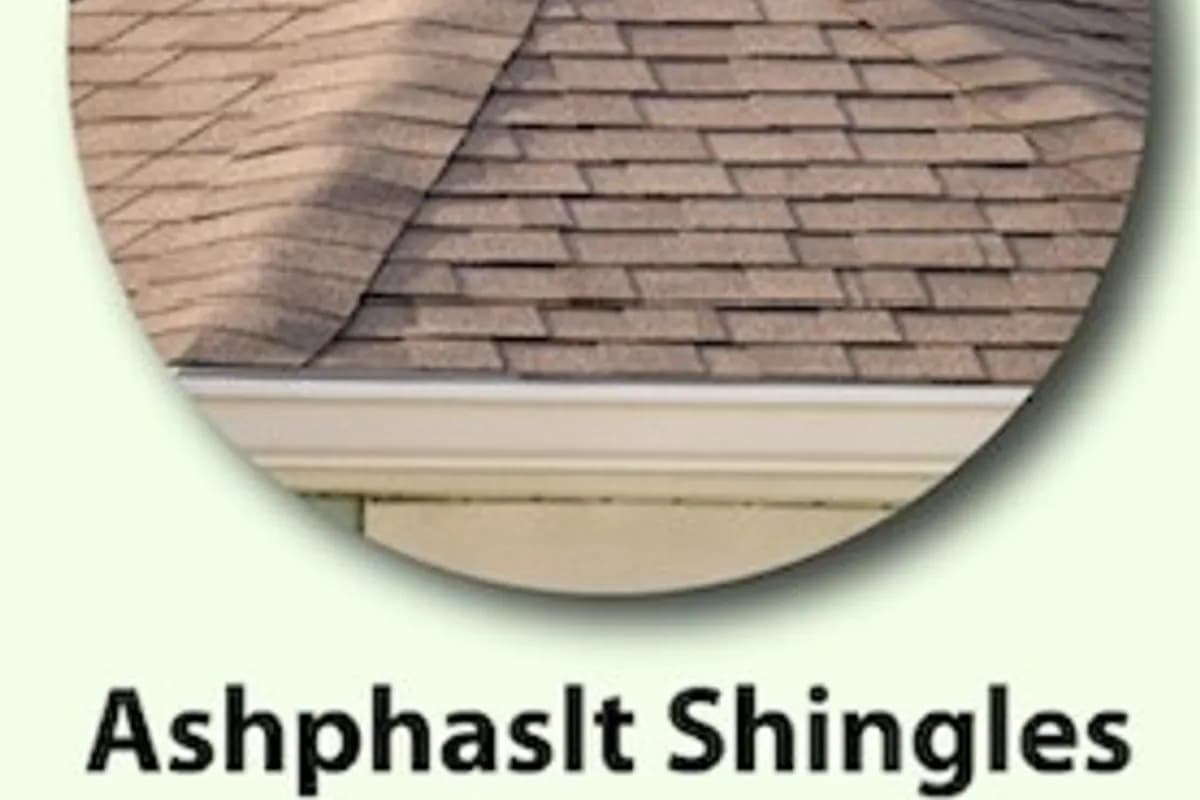
Photo: Minarersur / CC BY 4.0, via Wikimedia Commons
Signs
When asphalt shingle roofing is the right call
- Granules accumulating in gutters or at the base of downspouts
- Shingle edges curling upward or cupping in the middle
- Cracked or split shingles across the field
- Dark patches where the granule layer has worn through
- Tabs that lift by hand because the seal has released
- Streaking or dark staining, particularly on shaded slopes
Architectural versus three-tab
Three-tab shingles are a single flat layer with cut-outs that create the appearance of three separate tabs. They are lighter, thinner and flatter, and they cover a large share of the county's mid-century housing.
Architectural — or dimensional, or laminated — shingles bond two layers together, which gives a thicker, heavier shingle with a textured shadow line. They are more resistant to uplift, generally carry longer manufacturer coverage, and are what most replacements now use. The extra thickness is doing real work, not just looking better from the street.
Fastening: the detail that matters most
Nail placement determines wind performance more than any other single variable. Each shingle has a defined nailing zone, and a nail driven above it catches only one layer instead of two, leaving the course below unsecured. A nail driven too low punches through the exposed face and becomes a hole.
Depth matters as much as placement. Overdriven nails cut into the mat; underdriven nails hold the shingle off the deck and break the seal above. A high-wind installation calls for more fasteners per shingle, not just the same fasteners driven harder — a distinction worth confirming on exposed sites.
- Correct number of fasteners per shingle for the exposure
- Nails inside the manufacturer's nailing zone, catching both layers
- Nails driven flush — not cutting the mat, not standing proud
- Enhanced fastening where uplift is highest, at rakes and eaves
Starter course, edges and ridge
The starter course does two jobs: it provides the adhesive strip that bonds the first row of shingles, and it closes the joints between the tabs above it. Skipping it at the rake is one of the most common shortcuts, and it is exactly where wind damage starts.
At the top, hip and ridge cap covers the ridge and, where ridge ventilation is used, the vent itself. Cap shingles take more sun and more wind than anything else on the roof, which is why they are often the first component to deteriorate.
Why shingle roofs actually fail here
Shingles are asphalt with a mineral surface. The granules are not decorative — they are the UV shield. Once they wear off, the asphalt below is exposed to sunlight, dries out and becomes brittle, at which point it cracks under thermal movement rather than flexing with it.
Heat from below accelerates all of it. An unventilated attic in a South Jersey July puts the shingle under sustained thermal load from both sides, and that is why two identical roofs installed on the same day can be a decade apart in condition. Ventilation is not an accessory to a shingle roof; it is part of the covering's life expectancy.
Algae streaking on shaded roofs
The dark vertical streaking common on north-facing slopes across the county is generally a blue-green algae that feeds on the limestone filler in shingles. It thrives where a roof stays damp, which is exactly what happens under a mature canopy in the wooded parts of the county.
It is primarily a cosmetic problem rather than a structural one, and the honest answer is that it does not usually justify replacing a roof on its own. Aggressive cleaning does more harm than the algae — pressure washing strips granules and will genuinely shorten the roof's life. Where it is a real concern, algae-resistant shingles containing copper granules are the sensible answer at the next replacement.
Materials
Materials and components
- Architectural shingles
- Laminated two-layer shingle with a dimensional profile and better uplift resistance. The usual choice for replacement.
- Three-tab shingles
- Single-layer flat-profile shingle. Common on the county's older housing stock.
- Algae-resistant shingles
- Contain copper-bearing granules that inhibit the streaking common on shaded, slow-drying slopes.
- Starter strip
- Purpose-made strip at eaves and rakes providing the adhesive bond for the first course.
- Hip and ridge cap
- Thicker shingles formed for the ridge line, covering ridge ventilation where fitted.
Process
How the work is approached
- 01
Confirm the deck
Sound, correctly fastened sheathing is the prerequisite for everything above it.
- 02
Protect the vulnerable areas
Ice-and-water membrane at eaves, valleys, walls and penetrations.
- 03
Underlayment and edge metal
Underlayment across the field, with drip edge correctly sequenced at eaves and rakes.
- 04
Starter course
At eaves and rakes, giving the first course its seal and closing the joints above.
- 05
Field shingles
Laid to the specified offset with the correct fastener count and placement.
- 06
Ridge ventilation and cap
Exhaust at the ridge, matched by genuine intake at the soffits, then hip and ridge cap.
Questions
Asphalt Shingle Roofing: common questions
How long do asphalt shingles last in New Jersey?
In practice, most well-installed and properly ventilated architectural shingle roofs in this region give something in the region of two decades or more, and three-tab roofs rather less. Ventilation, fastening quality, slope orientation and tree cover move that figure more than the product warranty does. A warranty period is not a service-life prediction.
Are architectural shingles worth the extra cost over three-tab?
Generally yes, on a roof you intend to keep. They are heavier and thicker, handle uplift better, and the cost difference is modest set against the labour, tear-off and disposal that make up most of a replacement anyway.
What are the dark streaks on my roof?
Almost always algae, which grows where a roof stays damp — typically north-facing slopes and anything under tree cover. It is a cosmetic issue rather than a structural one. Avoid pressure washing, which strips granules and genuinely shortens the roof's life.
Can shingles be installed in cold weather?
Yes, but the self-sealing adhesive needs warmth to bond, so a roof installed in the cold may not seal until the following spring. On exposed slopes, hand-sealing is sometimes used to bridge the gap. It is a real consideration rather than a sales objection.
Why do granules end up in my gutters?
A little is normal, particularly from a new roof shedding loose granules. A steady accumulation, especially with bare patches visible on the roof, means the UV layer is wearing through and the roof is entering the last part of its life.
Where this comes up
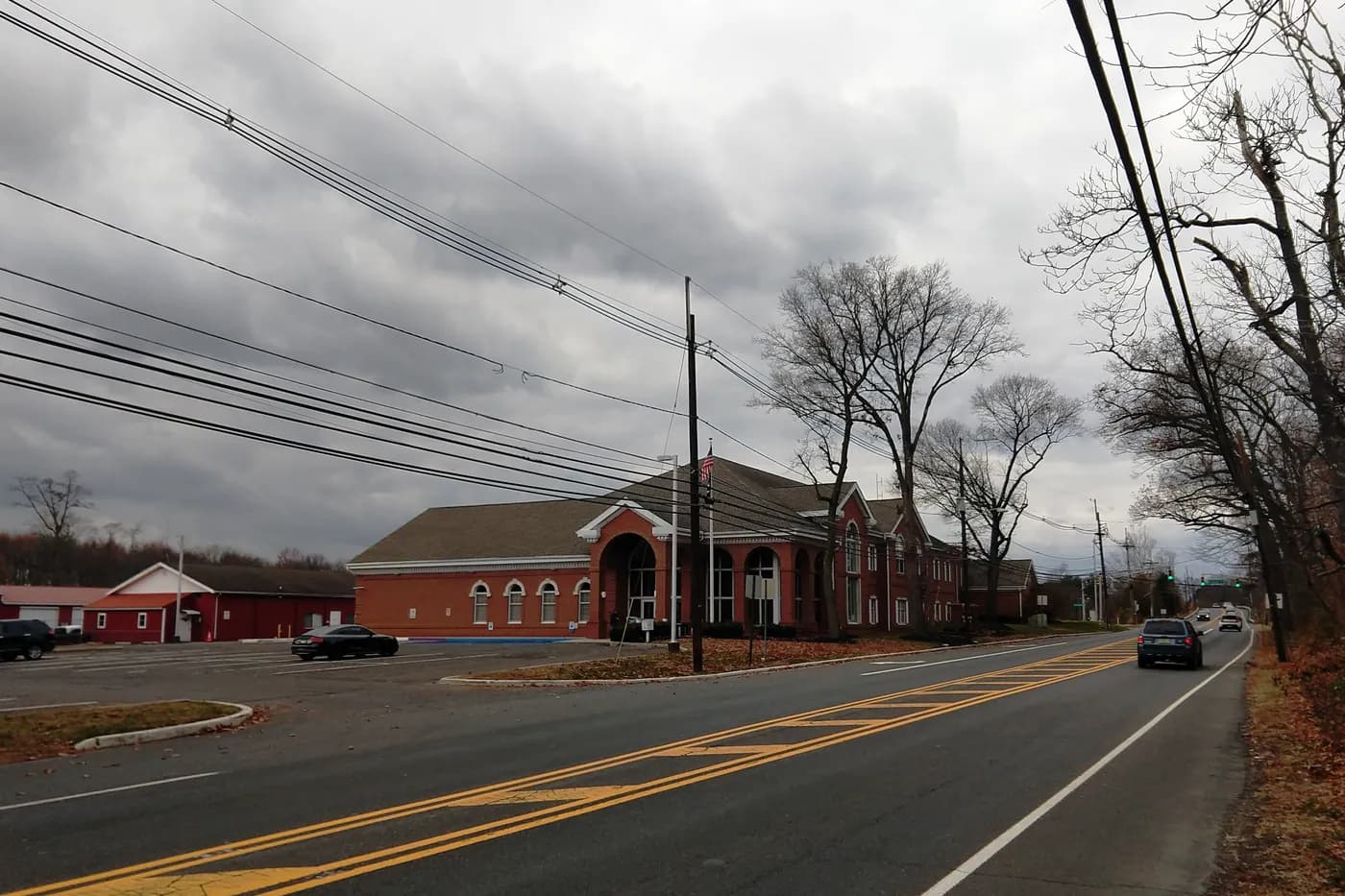
Asphalt Shingle Roofing around Burlington County
Related
Related services and reading
7 min read
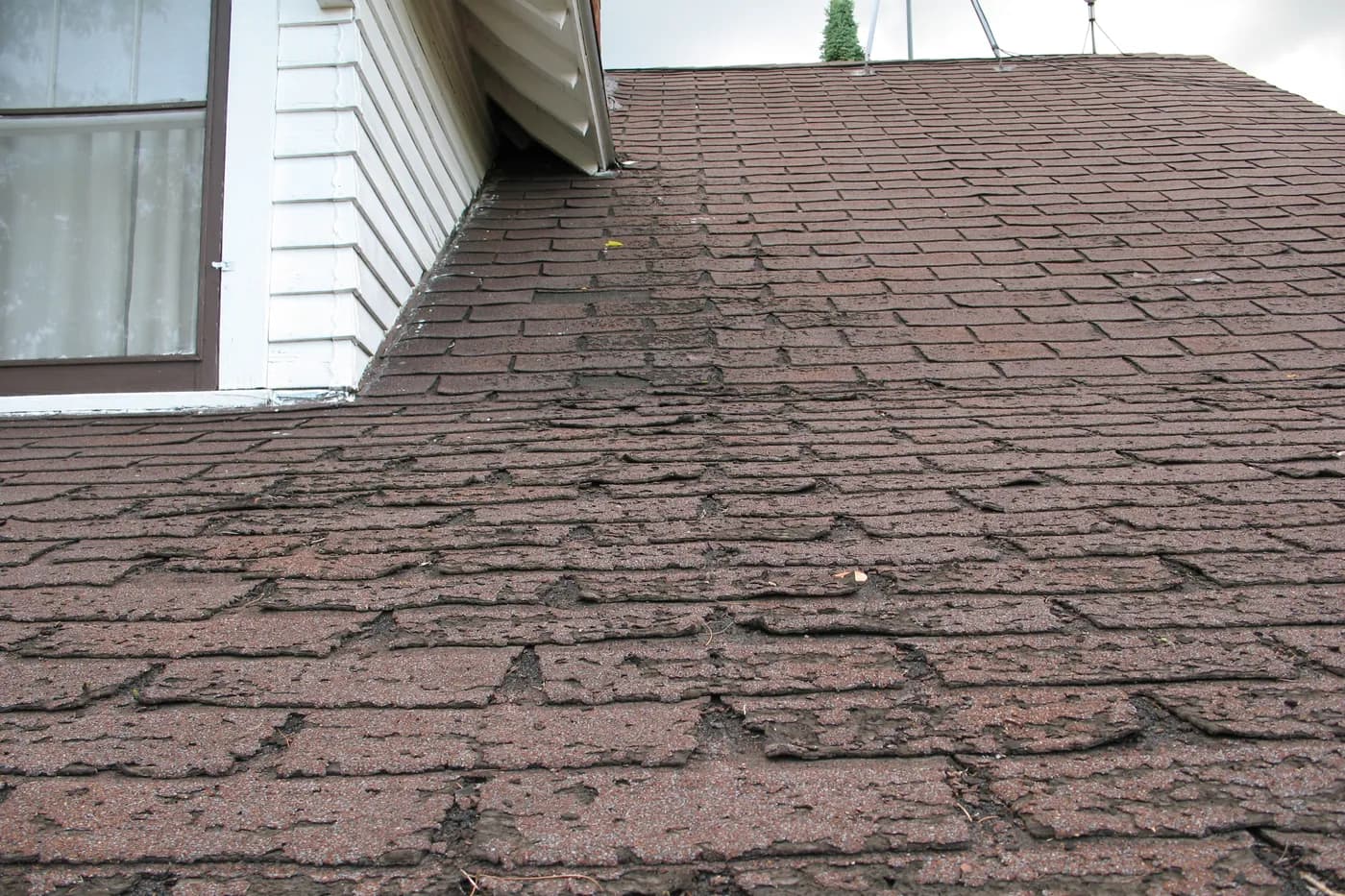
Asphalt Shingle Roof Lifespan in New Jersey
The number on the warranty and the number of years a roof lasts are two different things, and they are not closely related.
7 min read
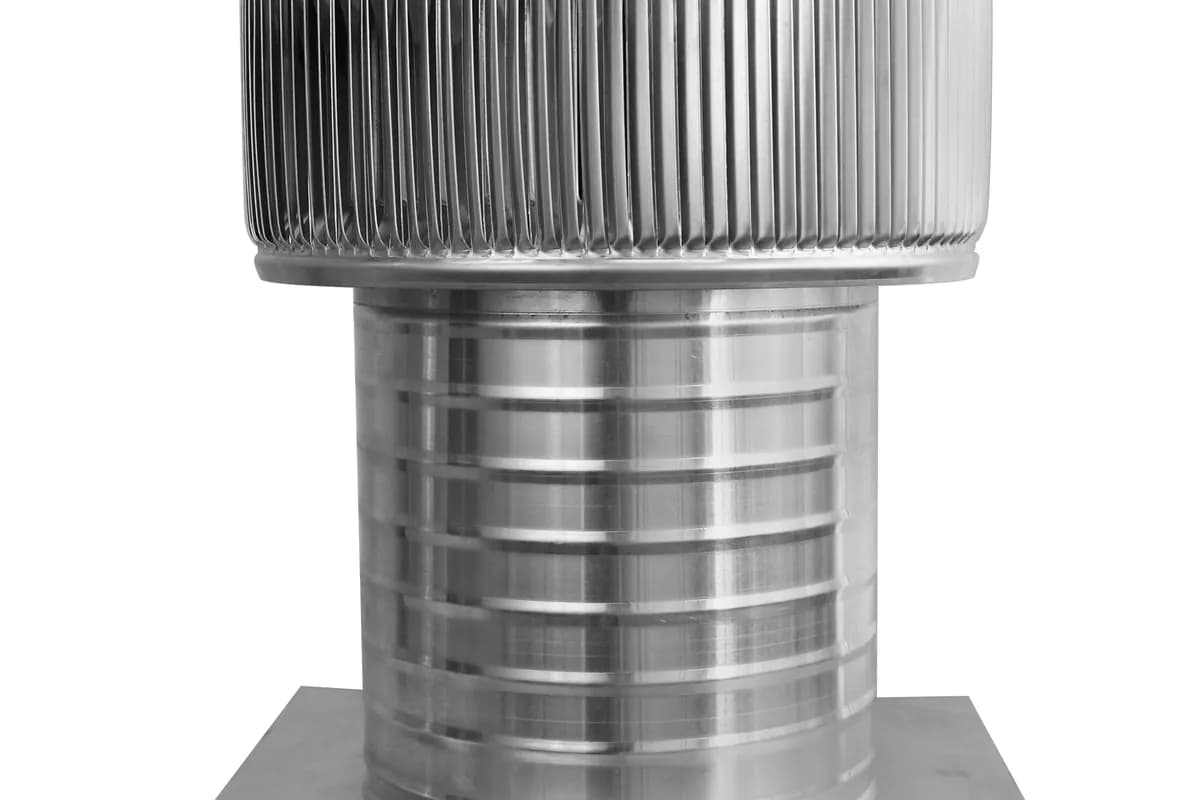
How Roof Ventilation Helps Control Moisture
Most attic ventilation faults are not missing vents. They are vents that cannot draw, because nothing is feeding them.
7 min read
When Is Roof Replacement Better Than Another Repair?
The honest answer usually turns on one distinction: whether the failure is in one place, or everywhere at once.
Ask about asphalt shingle roofing
Tell us what is happening and we will get back to you about it. Fields marked * are required; everything else is optional.