Asphalt Shingle Roof Lifespan in New Jersey
Published · Updated · 7 min read
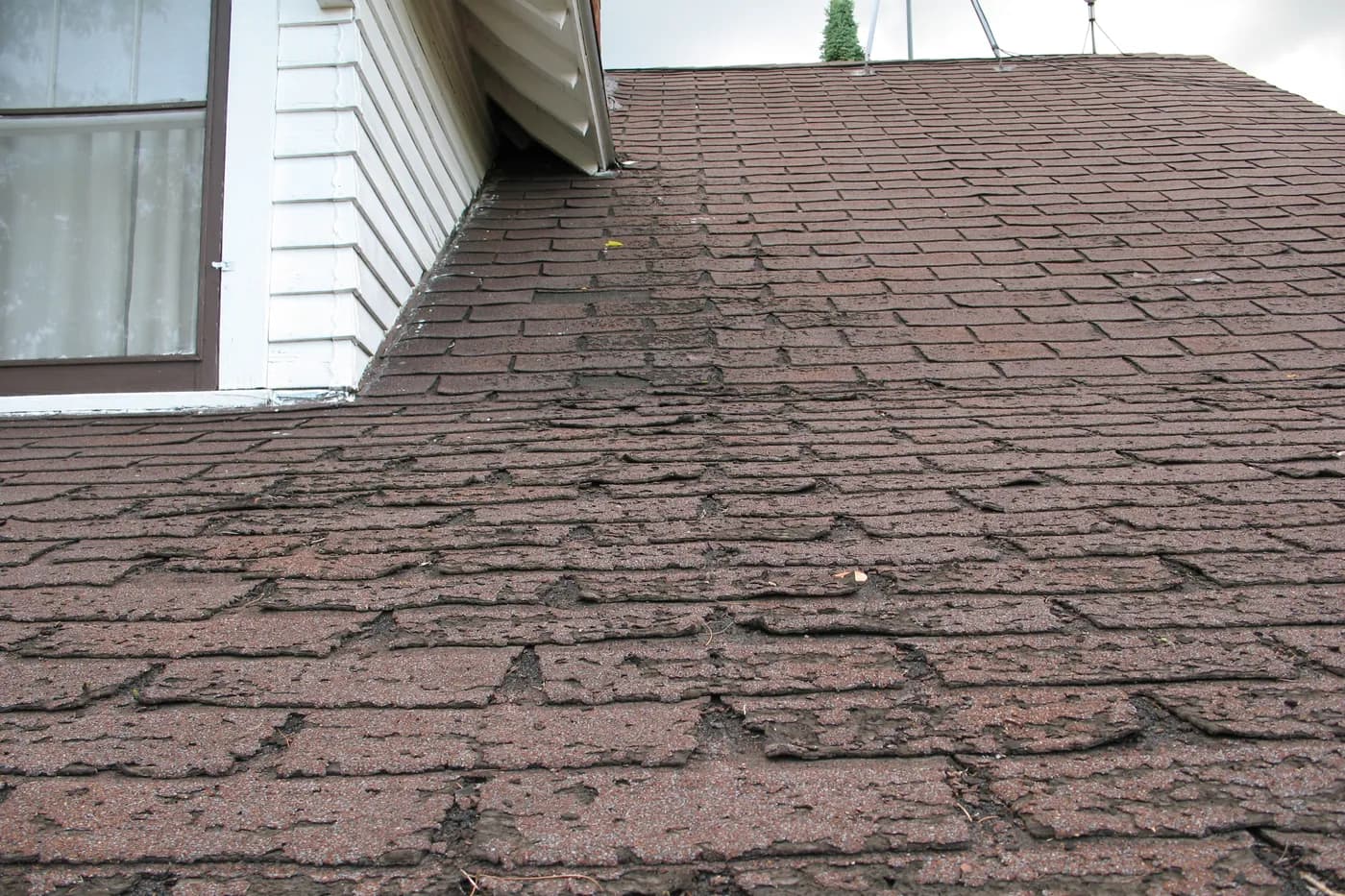
Photo: DMahalko, Dale Mahalko, Gilman, WI, USA -- Email: dmahalko@gmail.com / CC BY-SA 3.0, via Wikimedia Commons
Asphalt shingles are sold with warranty periods that sound like service-life predictions. They are not. A warranty is a defined commercial promise about manufacturing defects, with conditions and exclusions attached, and it is not a forecast of how long the roof on your house will keep water out.
What actually determines lifespan is a combination of how the roof was installed, how it is ventilated, which way its slopes face and what is growing over it.
What the climate here does
South Jersey gives shingles a genuinely demanding cycle. Summers are hot and humid, with sustained high roof-surface temperatures. Winters bring repeated freeze-and-thaw rather than one long freeze, which means the covering expands and contracts far more often than a colder, more stable climate would demand of it.
Add high-rainfall summer thunderstorms, autumn coastal systems driving rain horizontally for hours, and long humid periods where a shaded slope never quite dries out. It is not an extreme climate for roofing, but it is a varied one, and variety is what fatigues materials.
Ventilation is the biggest single variable
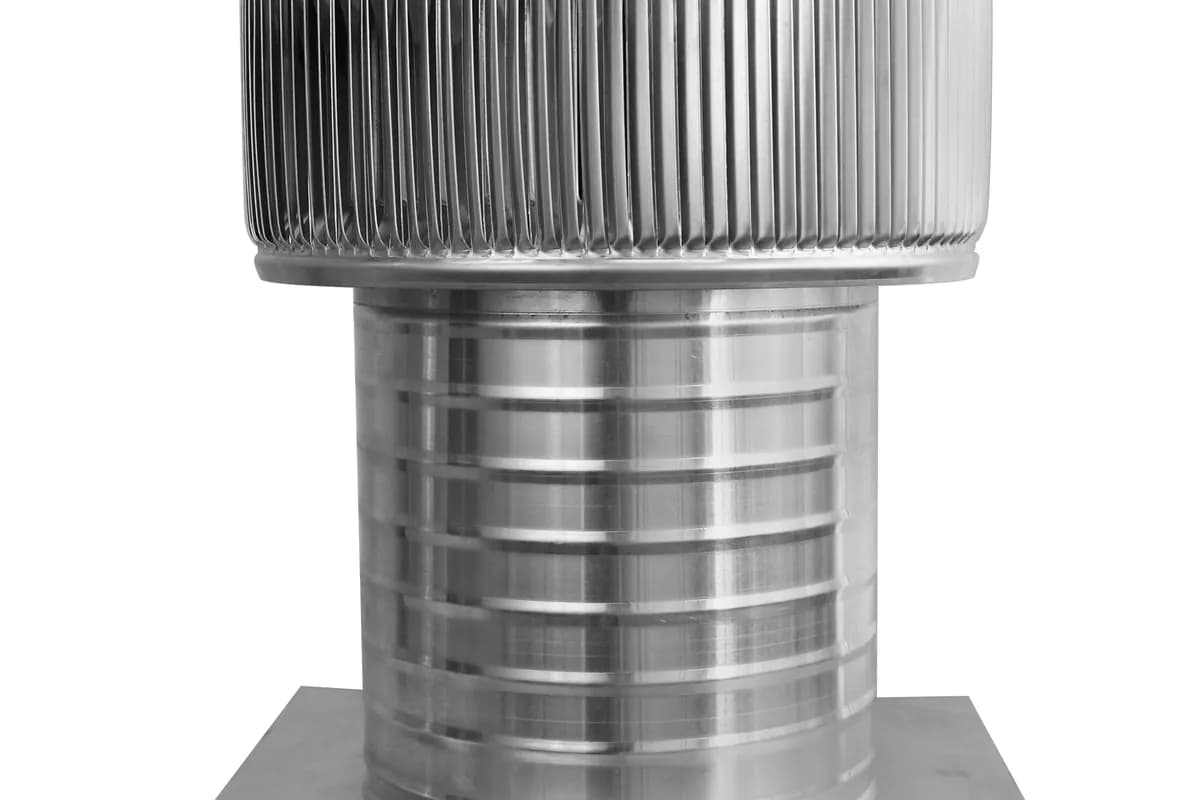
A shingle sits on a deck. If the attic below that deck is unventilated, summer heat builds against the underside and the shingle is heated from both sides at once.
Asphalt ages by losing its volatile components and becoming brittle, and heat accelerates that considerably. This is the most common reason two identical roofs, installed on the same street in the same month, are years apart in condition a decade later. Ventilation is not an optional extra to a shingle roof; it is part of its life expectancy.
Installation quality, and fastening in particular
Nail placement is the detail with the largest effect on how long a roof survives wind. Nails must land in the shingle's nailing zone, catching both the shingle and the head of the course below. Placed high, they catch one layer and leave the course below effectively unsecured.
Depth matters as much. Overdriven nails cut the mat; underdriven ones hold the shingle proud and break the seal above. Neither is visible once the roof is finished, and both show up as wind damage years later that gets attributed to the weather rather than the installation.
Orientation and shade
The south-facing slope takes far more UV and runs hotter, and it typically shows granule loss and brittleness first. The north-facing slope takes less UV but stays damp longer, which is where algae streaking and, on wooded lots, moss appear.
It is entirely normal for one slope of a roof to be in noticeably worse condition than another, and it is a good reason to assess slopes separately rather than forming a view from whichever one faces the street.
Tree cover cuts both ways
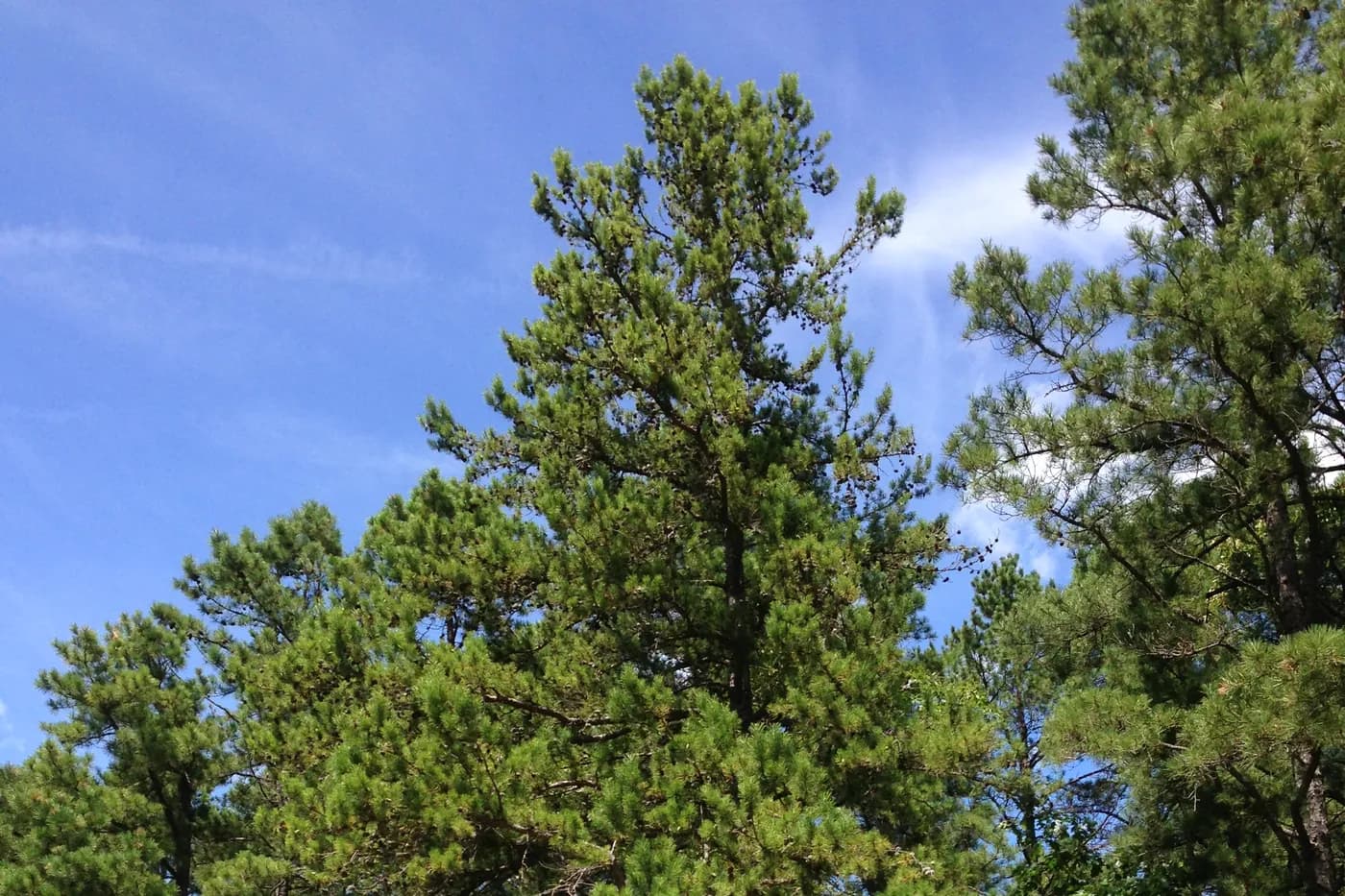
Shade reduces UV exposure and heat, which helps. But it also means the roof dries slowly, holds organic debris continuously, and supports growth that can lift shingle edges.
On a heavily wooded lot — common through the Pinelands townships and the older tree-lined streets of the county — the covering may well be less UV-damaged than an exposed roof of the same age while being in worse shape overall because of debris, moisture and moss.
So what is realistic?
In this region, a well-installed, properly ventilated architectural shingle roof commonly gives something in the region of two decades or more of service. Three-tab roofs tend to give rather less. A poorly ventilated roof, or one fastened badly, can fall well short of both.
Those are brackets, not promises. Anyone offering a precise figure for a specific roof without having looked at its ventilation, its fastening and its slopes is guessing.
Getting the most out of the roof you have
Keep the drainage working, keep debris off the surface and out of the valleys, deal with penetrations early, make sure the attic can actually breathe, and look at the roof after significant weather rather than waiting for a leak.
None of that is expensive. All of it extends the point at which replacement becomes necessary — which is the only part of this you have much control over.
Want someone to look at your roof?
Related services: Asphalt Shingle Roofing, Roof Replacement, Roof Inspection