Lumberton Township · Burlington County, NJ
Roofing Contractors in Lumberton, NJ
Roof repair, replacement and inspection for homes across Lumberton Township, Burlington County.
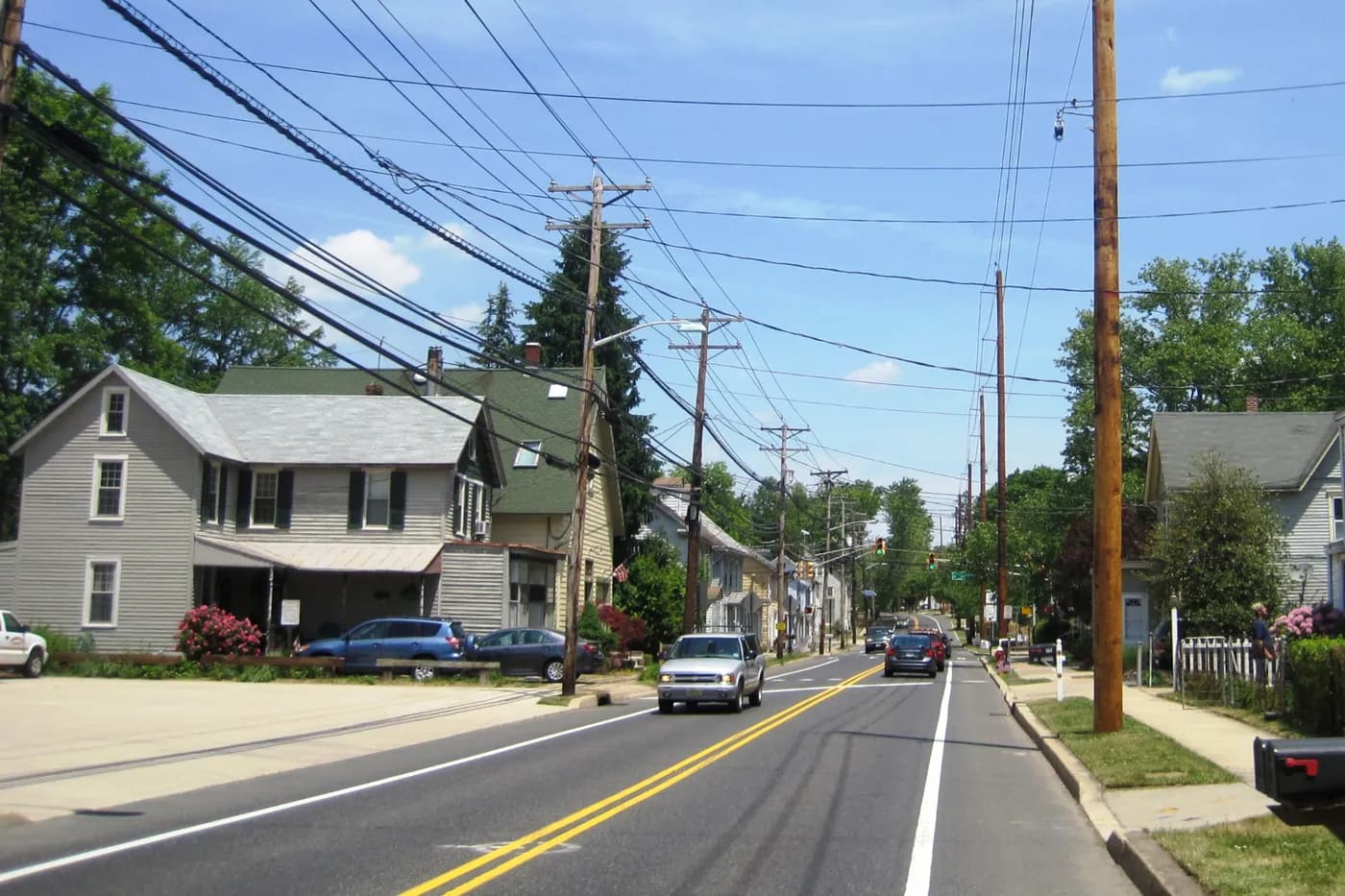
Photo: Mr. Matté (if there is an issue with this image, contact me using this image's Commons talk page, my Commons user talk page, or my English Wikipedia user talk p / CC BY 3.0, via Wikimedia Commons
Local context
Homes and roofs in Lumberton
Lumberton was named for the trade that built it: harvesting pitch pine and shipping it down to Philadelphia. That history matters more than it might seem, because it places the township right at the transition between the developed western half of Burlington County and the pine country to the east.
The roofs reflect the transition too. Development along the Route 38 corridor and through the township's newer subdivisions looks like the rest of suburban Burlington County, while properties toward the eastern side sit on larger lots with substantially more tree cover — and those roofs need a different maintenance rhythm entirely.
The area
The township covers thirteen square miles between Mount Holly and Medford, bordered by Eastampton, Hainesport, Mount Laurel and Southampton. It was formed in 1860 from parts of Medford, Southampton and Eastampton, and gave up territory to create Hainesport in 1924. Eayrestown, Fostertown, Newbolds Corner and Brown are localities within it, and Route 38 runs across the township.
The housing
Suburban detached housing predominates, spanning several decades: mid-century stock, substantial building through the 1980s and 1990s, and further growth across the 2000s. Toward the eastern side of the township, lots get larger and tree cover heavier, and houses there are dealing with a genuinely different set of conditions from those on an open subdivision lot near Route 38.
Common problems
What goes wrong on Lumberton roofs
- A wide span of roof ages across one township, from mid-century to comparatively recent
- Heavier tree cover toward the eastern side, with year-round organic debris
- Valleys on larger 1990s and 2000s homes collecting that debris
- Shaded slopes drying slowly, allowing moss to establish on the wooded side
- Attic ventilation retrofits on older stock done without opening the soffit intake
- Pine needles matting in valleys and around flashing
- Moss establishing on slow-drying shaded slopes
Repair or replace
Deciding between another repair and a new roof
The deciding question is whether the failure is local — one boot, one junction, one wind-damaged patch — or general across every slope. Deck condition and the number of existing layers settle most of the rest.
How to decideServices
Roofing services in Lumberton
Gutter Services
Gutters, downspouts and roof-edge drainage — the part of the roof system that moves water away.
Roof Repair
Leak tracing and targeted repairs for shingle, flat and tile roofs across Burlington County.
Roof Inspection
A documented assessment of what a roof is actually doing — before committing to any work.
Roof Replacement
Full tear-off and rebuild of the roof system, from decking and underlayment through to ridge ventilation.
Materials
Shingles, membranes and what goes underneath
Most roofs here are asphalt shingle, and architectural shingles are the usual replacement. Low-slope porches and additions need a membrane instead. The ice-and-water barrier, drip edge, flashing and ventilation matter as much as the covering.
About asphalt shingle roofingInspection
Know where the roof stands before it leaks
An inspection covers every slope, all flashing and penetrations, the roof edge and drainage, and the attic where it is accessible — with written findings and photographs.
What a roof inspection coversWeather
Storms and seasons
Lumberton gets standard central-county weather, but its eastern side behaves more like the wooded townships beyond it. Summer thunderstorms bring the gusts that break shingle seals; autumn systems bring the sustained rain that finds flashing faults. On the wooded lots, the more consequential factor is simply that roofs stay wet longer.
Trees
Tree cover and debris
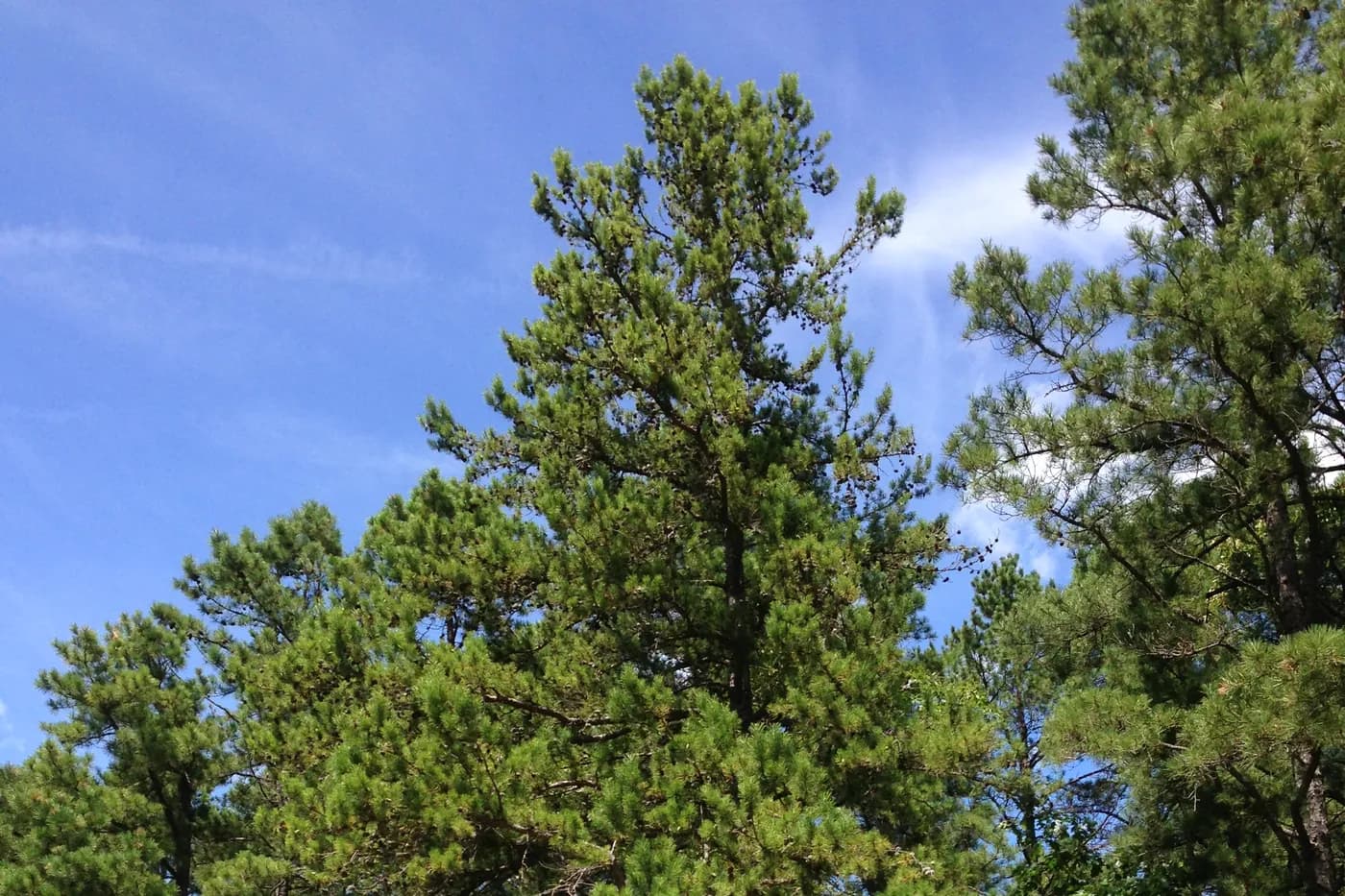
The township's name is not accidental — this is where the pine country begins. On the eastern side and on the older wooded lots, debris arrives all year rather than in an autumn burst: buds and catkins in spring, needles more or less continuously where there are pines, and leaves in autumn. Needles are worth specific attention, since they mat together, pass most gutter guards and work into flashing joints in a way broad leaves do not.
Drainage
Gutters and roof water
On the wooded side, keeping the drainage path genuinely clear is the single most valuable maintenance item, and an annual autumn gutter clean is not enough. Valleys matter as much as gutters, because that is where debris ends up on a multi-gabled roof. Near Route 38 and the newer developments, the more common issue is simply where the downspouts discharge.
Questions
Roofing questions from Lumberton
My gutters fill up even though I clean them every autumn. Why?
Because on a wooded lot debris is not seasonal. Buds and catkins come down in spring, twigs and seed through summer, and where there are pines, needles arrive more or less continuously. An annual autumn clean leaves the gutters blocked for a good part of the rest of the year. Two or three clearances is realistic, with one after leaf fall genuinely finishes.
Are pine needles worse than leaves for a roof?
In several ways, yes. They are small enough to pass most gutter guards, they knit into a dense mat that sheds water instead of letting it through, and they work their way under shingle edges and into flashing joints in a way that broad leaves do not. A needle mat wedged behind a chimney does real harm.
There is green growth on the shaded side of my roof. Is it a problem?
It depends which it is. Flat dark streaking is algae and is essentially cosmetic. Thick, raised growth is moss, and that does matter — it holds water and grows under the bottom edge of shingles, lifting them so wind-driven rain can get underneath. Either way, avoid pressure washing: it strips granules and shortens the roof's life far more than the growth does.
Is the eastern side of Lumberton treated differently from the Route 38 area?
In practice, yes. Properties on the larger, more wooded lots toward the east need a debris and drainage regime closer to the Pinelands townships, while housing near Route 38 and in the newer subdivisions behaves like ordinary suburban Burlington County. The roof assembly is the same; the maintenance is not.
Nearby
Service areas near Lumberton
Further reading
6 min read
What Tree Debris Can Do to an Asphalt Shingle Roof
Debris on a roof is treated as untidiness. It is closer to a slow chemical and mechanical attack on the covering underneath it.
7 min read
What to Know About Roofing on Wooded Properties
A wooded lot does not just mean more leaves in the gutter. It changes how the roof ages, how it is maintained and how the work gets done.
6 min read
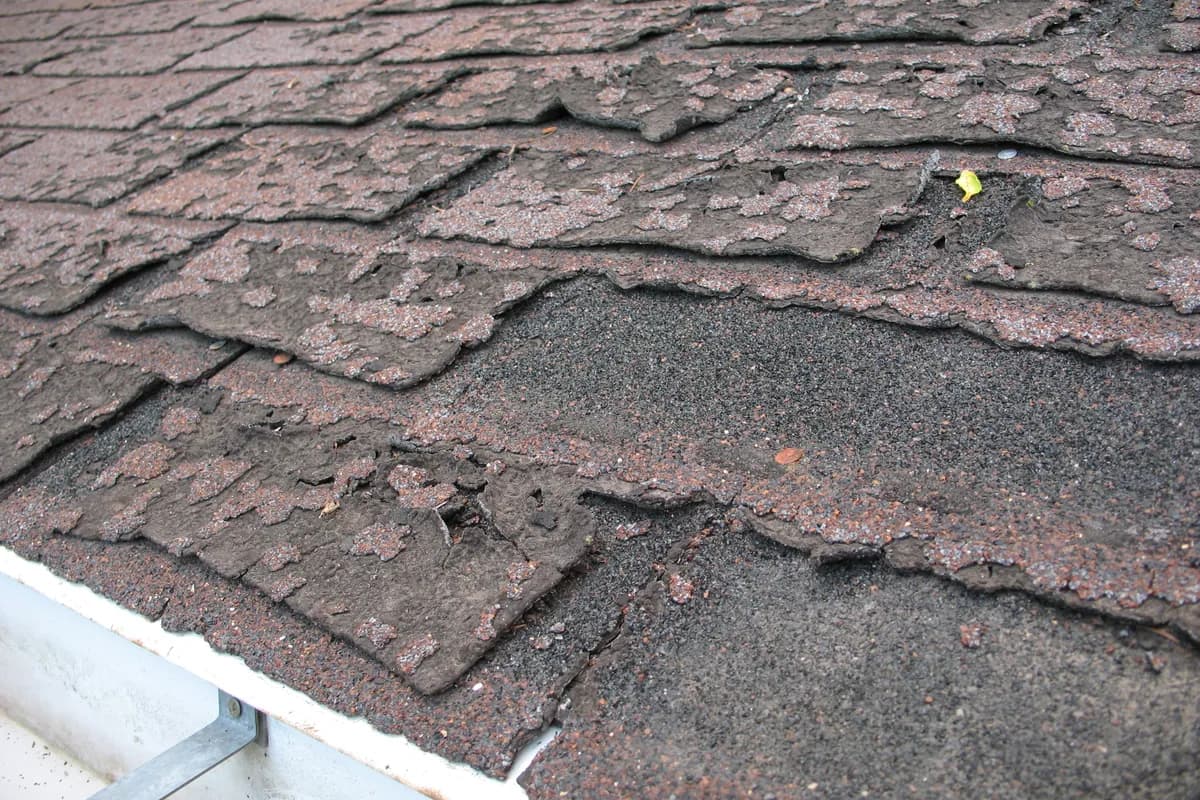
Why Roof Valleys Are Common Leak Areas
A valley may carry half a roof's drainage through a channel a few inches wide. It is the hardest-working part of the covering.
Request a roof assessment in Lumberton
Tell us about the roof. The municipality page you are on is recorded for context only — the property address you give is what we use.