Emergency Roof Repair in Burlington County, New Jersey
An emergency is straightforward to define: water is getting into the building now, or the roof has been opened up and the next rain will do far more damage than the event that caused it. At that point the priority is not a finished repair — it is stopping the water.
Emergency work runs in two stages. First, make the building safe and dry: cover the opening, secure anything loose, and stop the ingress. Second, once conditions allow and the full extent is visible, carry out the permanent repair. Trying to do both at once, in bad weather and poor light, produces worse work and is more dangerous.
If water is actively coming into your property, call (914) 906-5748 rather than filling in the form. The phone is the fastest route.
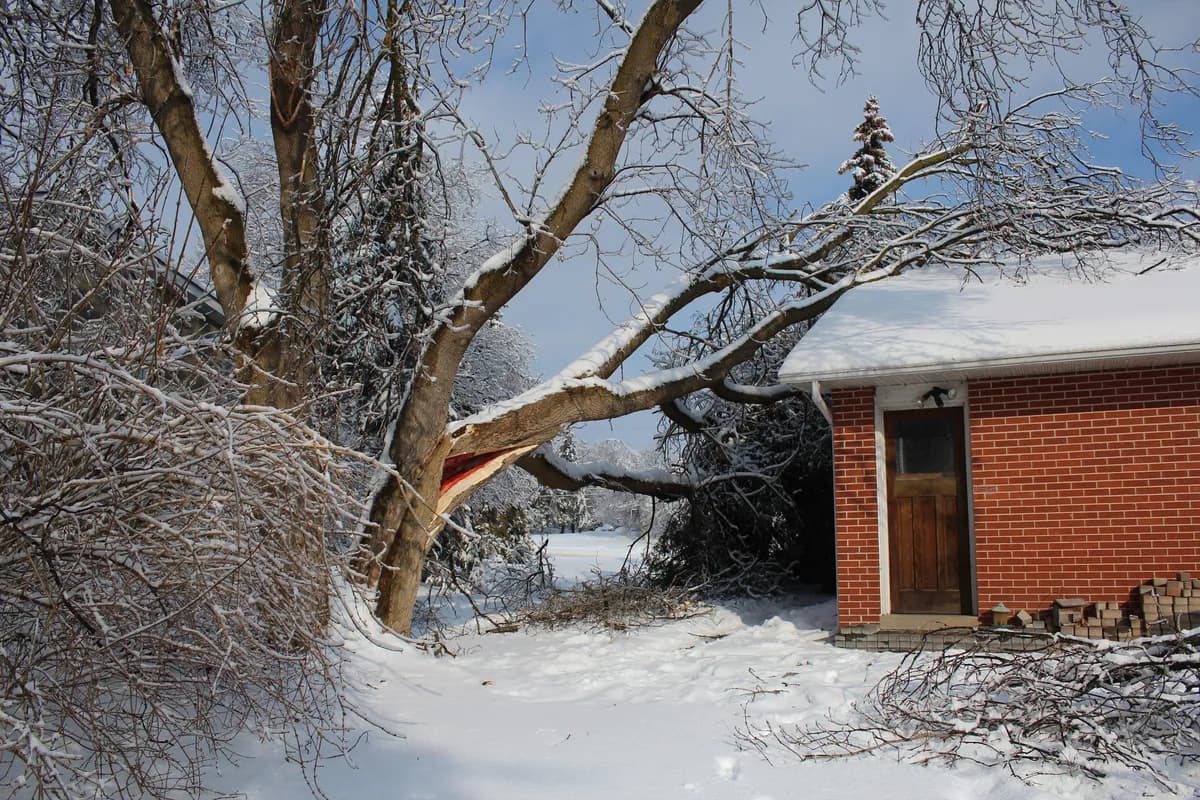
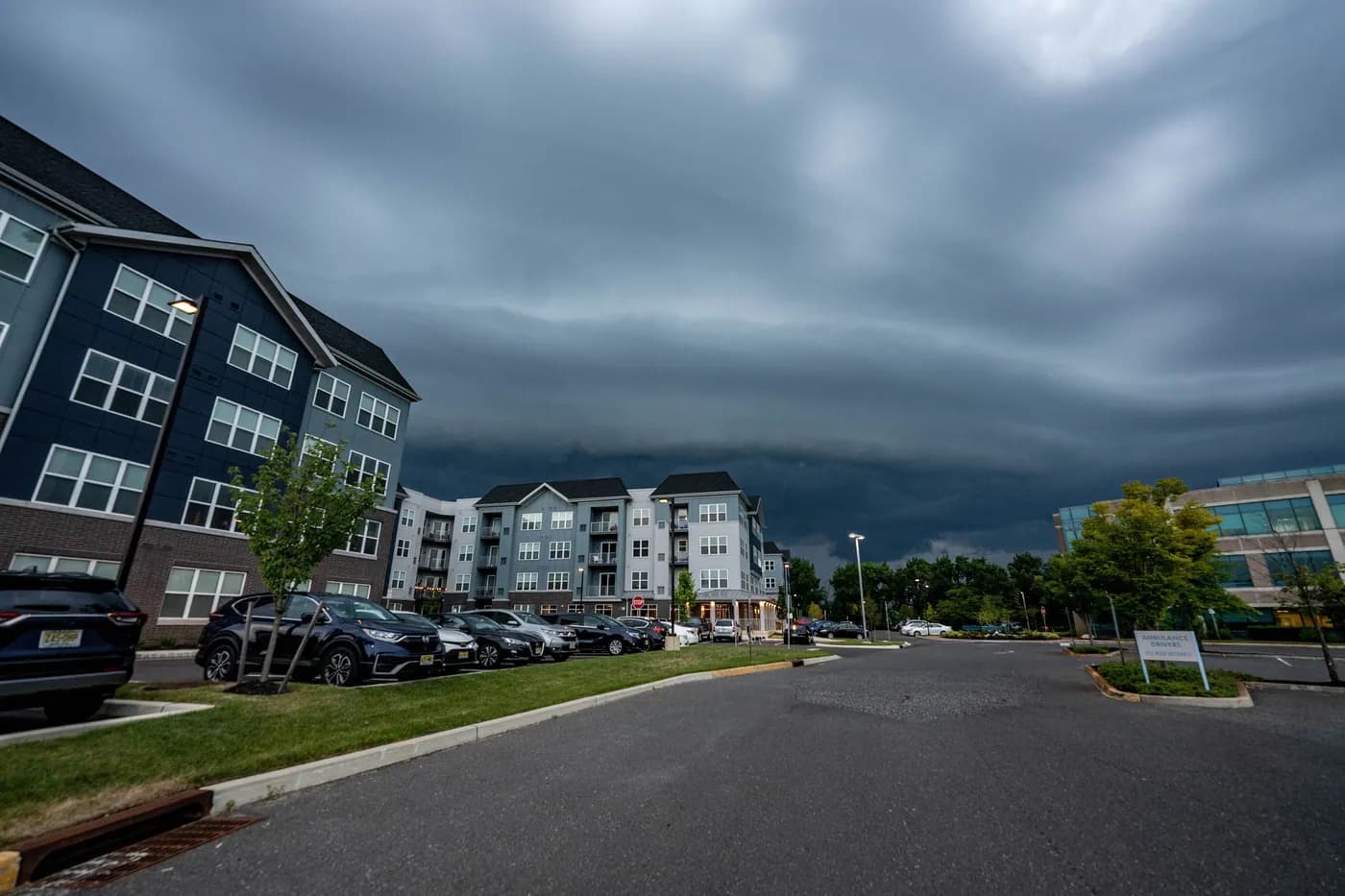
Photo: KatieThebeau from Toronto, Canada / CC BY 2.0, via Wikimedia Commons
Water coming in right now? Call rather than filling in the form.
Call (914) 906-5748Signs
When emergency roof repair is the right call
- Water actively dripping or running into the building
- A tree limb resting on, or through, the roof
- A section of roof covering torn off by wind
- A ceiling that is bulging, sagging or holding water
- Visible sky through the roof from inside the attic
- Flashing or a large metal section lifted and flapping
What to do before anyone arrives
A few things genuinely help, and they are all about limiting damage inside rather than dealing with the roof.
Move what you can out of the way, get containers under active drips, and lift rugs and electronics clear. If a ceiling is bulging and holding water, keep people out from under it — a loaded ceiling can release suddenly, and a controlled release by someone who knows what they are doing is far safer than an uncontrolled one at three in the morning. If water is anywhere near light fittings or electrical equipment, treat the circuit as unsafe and isolate it.
- Contain drips and protect what is underneath
- Stay out from under any ceiling that is sagging or holding water
- Isolate circuits where water is near fittings or wiring
- Photograph the damage as you find it, for your own records and any insurance claim
- Do not go onto a wet, damaged or storm-struck roof yourself
Stabilising the building
The first visit is about making the building weather-tight enough to survive until proper repairs can be made. In practice that usually means covering the opening securely, removing or securing material that is loose and likely to cause further damage, and clearing the immediate water path so it is not pooling against a joint.
A temporary cover is a temporary cover. It is meant to hold through the next weather, not the next season, and it should always be followed by a permanent repair once the roof can be worked on properly.
Fallen limbs and impact damage
Burlington County has a great deal of mature tree cover — heavily so in the wooded and Pinelands townships in the east and south of the county, and along the older tree-lined streets of the river boroughs. Limb strikes are one of the more common causes of sudden roof damage here.
A limb resting on a roof is a structural question before it is a roofing one. Removing it can release load unpredictably, and what looks like surface damage to shingles is frequently a broken rafter or crushed decking underneath. Impact damage is assessed for structure first, then covered, then repaired.
Then the permanent repair
Once the building is dry and the weather allows, the actual damage becomes assessable: how far the water travelled, which decking is compromised, whether the flashing survived, and whether the surrounding roof was weakened by the same event.
That is also the point at which a realistic decision can be made about repair versus replacement, and at which you have the documentation an insurer will want if a claim is involved.
Process
How the work is approached
- 01
Call
Describe what is happening and where the water is entering. Phone is faster than the form for anything urgent.
- 02
Make safe
Address the immediate hazards — loose material, compromised structure, water near electrics.
- 03
Dry in
Cover and secure the opening so the building stops taking on water.
- 04
Assess in daylight
Establish the true extent once conditions allow the roof to be inspected properly.
- 05
Repair permanently
Rebuild the affected assembly rather than leaving the temporary cover in place.
Questions
Emergency Roof Repair: common questions
What counts as a roofing emergency?
Water entering the building now, or a roof that has been opened up so that the next rainfall will cause significantly more damage. A stain that has been there for a month is urgent in the sense that it should be looked at, but it is not the same thing as an active ingress.
Should I put a tarp on the roof myself?
No. Wet shingles are extremely slippery, storm-damaged decking may not hold weight, and a roof that has just been struck by a limb can have hidden structural damage. The risk of a fall is far greater than the additional damage from waiting.
There is a branch on my roof. Can it just be pulled off?
Not safely, and not first. A limb under load can move unpredictably when released, and the damage beneath it is often structural rather than cosmetic. It needs assessing before it is moved.
My ceiling is bulging with water. What should I do?
Keep everyone out from underneath it and do not put weight on the floor above. A ceiling holding water can fail all at once. Releasing it in a controlled way is something to do deliberately, not in a hurry, and never while standing under it.
Will a temporary cover last until the repair?
It is intended to hold through the immediate weather, not indefinitely. Covers degrade in sun and wind and are not a substitute for a repair, so they should be followed up as soon as the roof can be worked on properly.
Do I need to contact my insurer first?
Take photographs before anything is moved or covered, and speak to your insurer early if a claim is likely. Making the building safe should not wait on a claim, but documenting the condition you found makes the process considerably easier.
Where this comes up
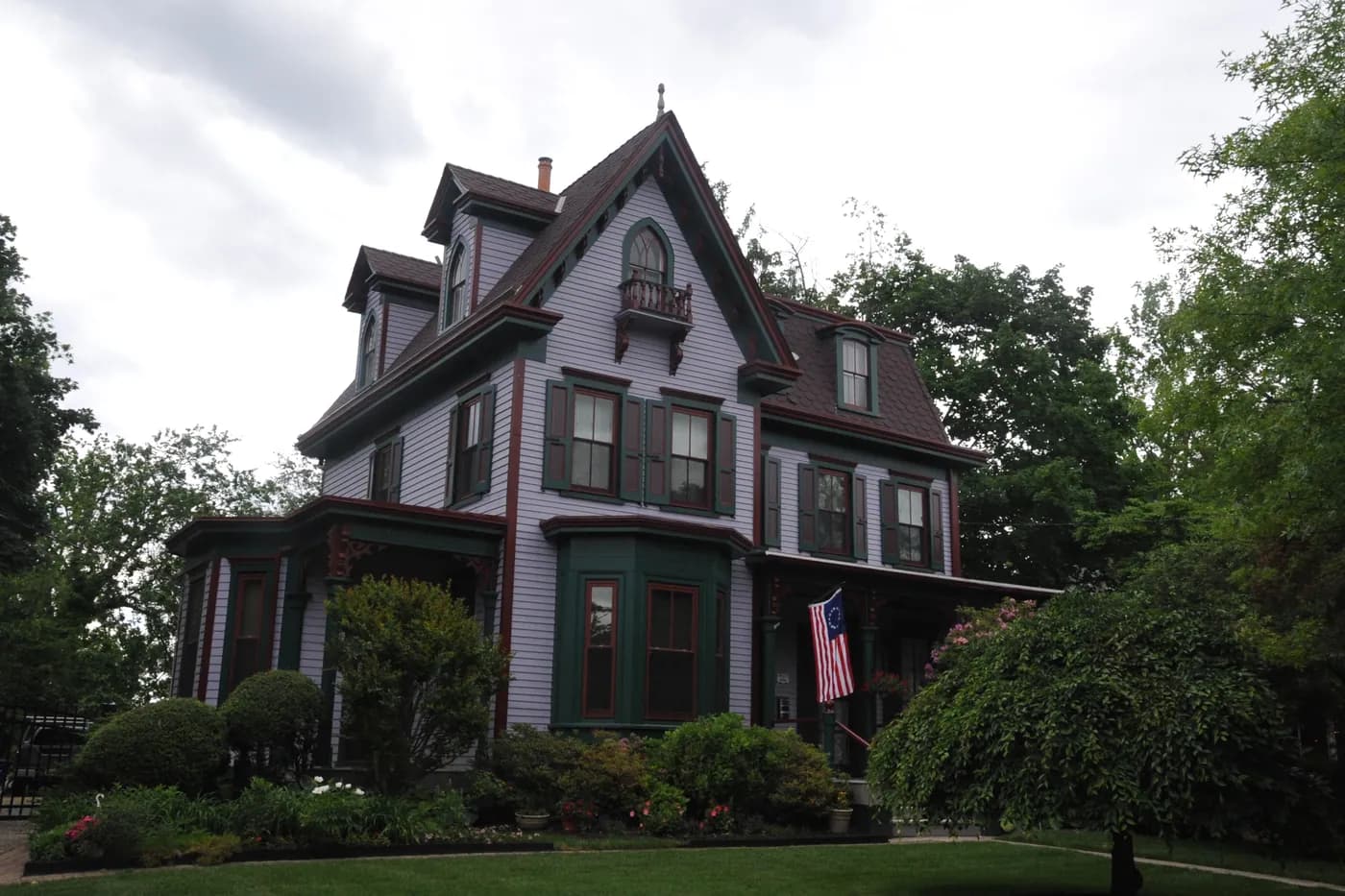
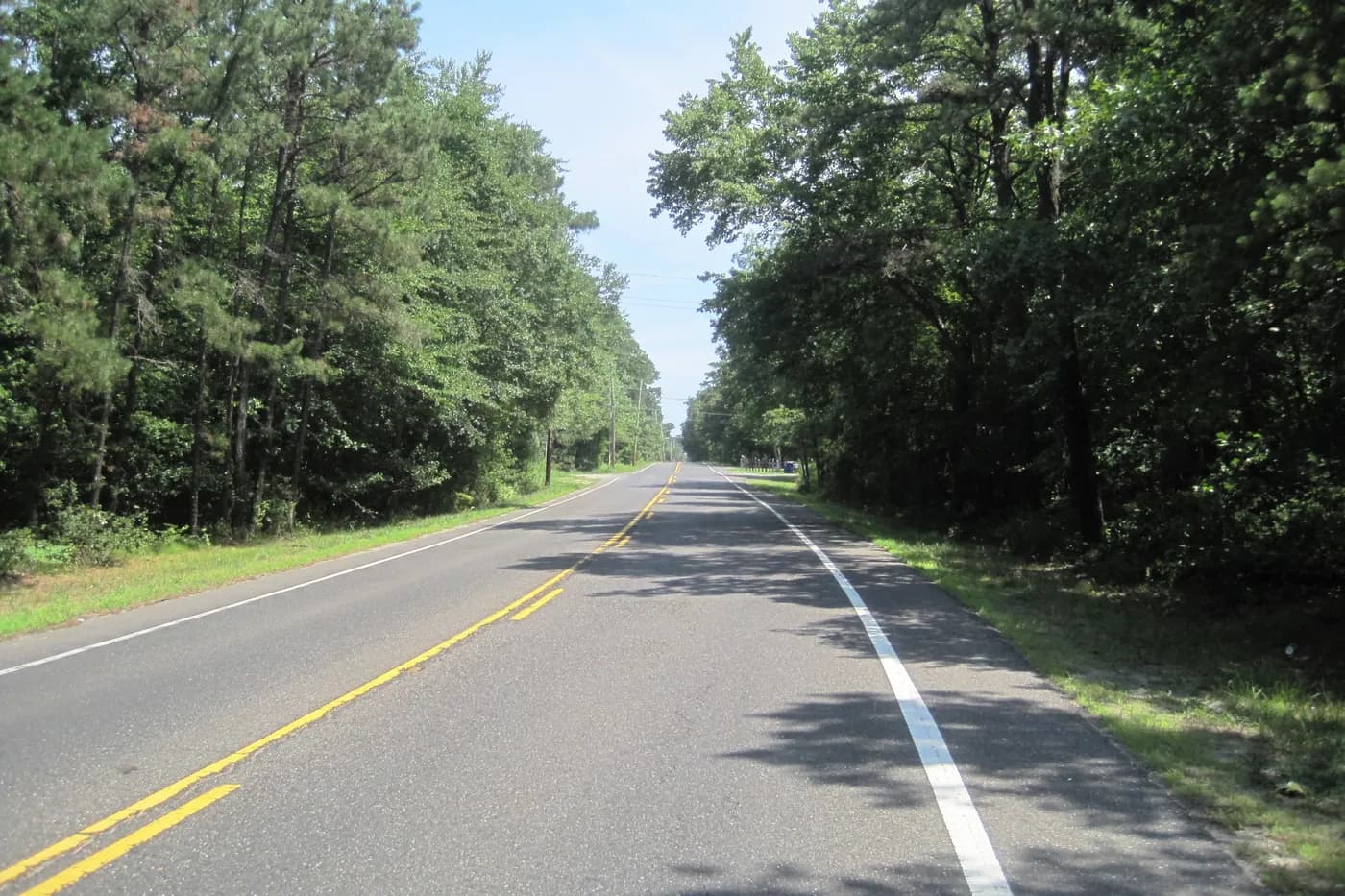
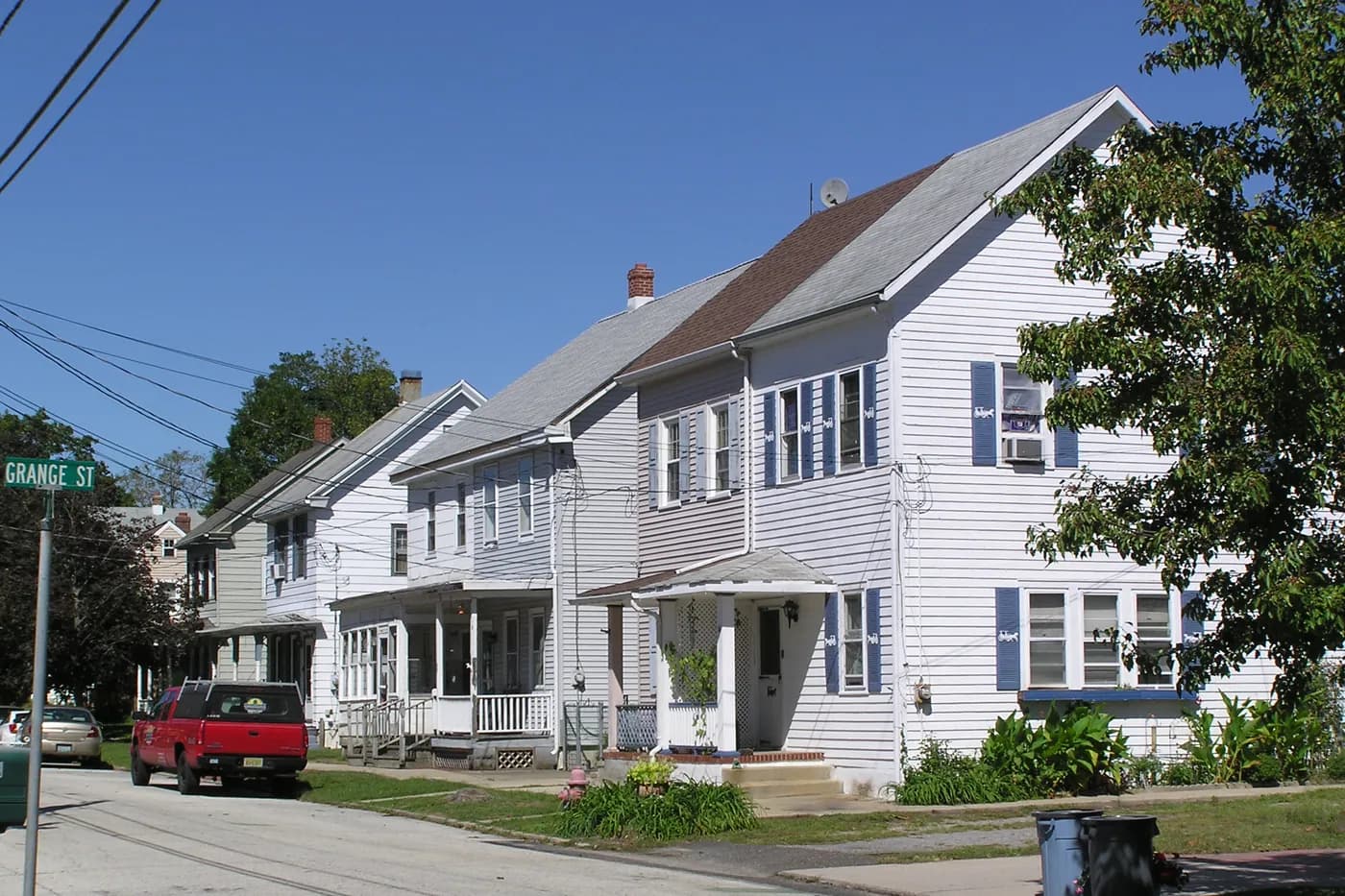
Emergency Roof Repair around Burlington County

Related
Related services and reading
6 min read
When Should You Inspect a Roof After a Windstorm?
The most common form of wind damage leaves the roof looking completely normal from the ground. Here is how to tell whether yours needs attention.

6 min read
What Tree Debris Can Do to an Asphalt Shingle Roof
Debris on a roof is treated as untidiness. It is closer to a slow chemical and mechanical attack on the covering underneath it.
7 min read
Roof Leak Warning Signs Homeowners Miss
By the time water drips from a ceiling, it has usually been getting in for months. The earlier signals are quieter, and most of them are not wet.
Tell us what happened
Tell us what is happening and we will get back to you about it. Fields marked * are required; everything else is optional.