Commercial Roofing in Burlington County, New Jersey
Commercial roofs fail in a different vocabulary from residential ones. There are no shingle courses to lift and no ridge to cap. Instead there are seams, terminations, curbs, drains and a very large flat area over which water moves slowly and pools readily.
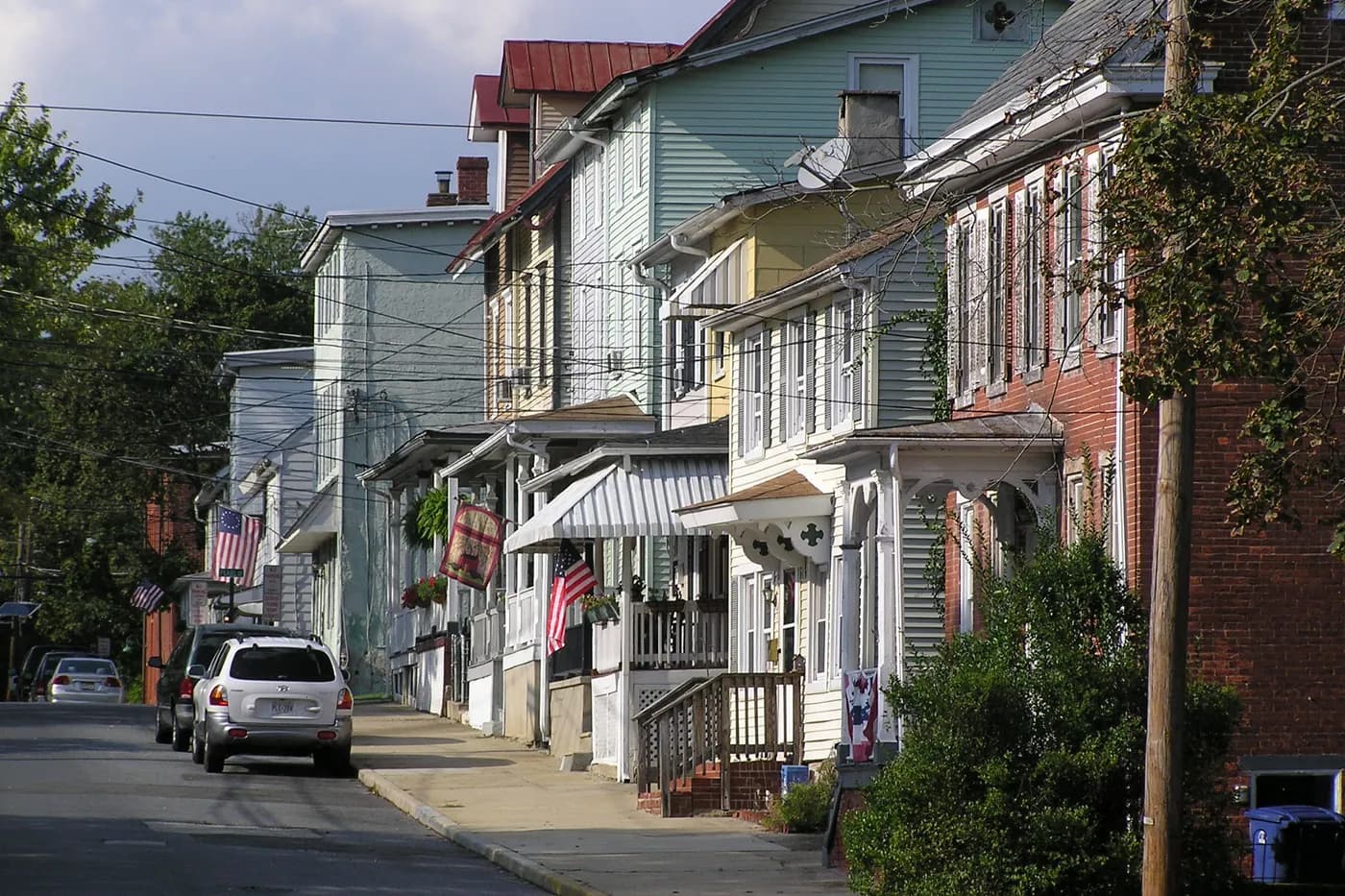
Burlington County has a substantial commercial building stock: the retail and office corridors along Route 73 and Route 38 through Evesham, Maple Shade, Moorestown and Mount Laurel; the warehousing and distribution built around the New Jersey Turnpike interchange at Florence; the older industrial and mixed-use fabric of the river towns; and the small-business buildings along Route 130 and through Mount Holly.
Most of those roofs are low-slope membrane systems, and most of the problems they develop are at the edges and the openings rather than in the middle of the field.
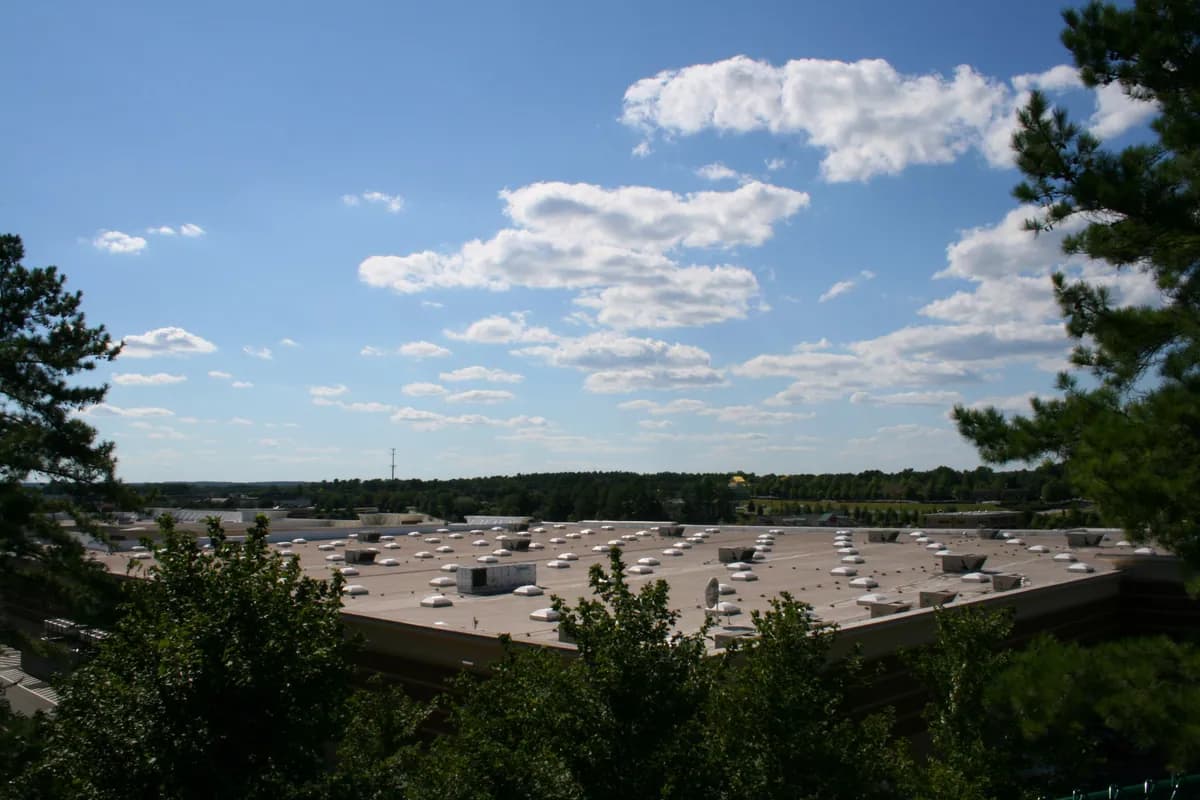
Photo: Ildar Sagdejev (Specious) / CC BY-SA 4.0, via Wikimedia Commons
Signs
When commercial roofing is the right call
- Standing water still present more than two days after rain
- Seams that are lifting, opening or showing a visible ridge
- Ceiling tiles staining below a particular area of roof
- Flashing pulling away at a parapet, curb or wall junction
- Blocked or slow internal drains and overflowing scuppers
- Blisters, splits or punctures in the membrane surface
Drainage is the whole problem
A low-slope roof is designed to move water to a defined point — an internal drain, a scupper, an edge — and to do it slowly. When drainage works, the membrane spends most of its life dry. When drainage does not work, the membrane spends its life underwater, and every seam and termination is under constant hydrostatic pressure rather than occasional wetting.
Ponding is the symptom to take most seriously. Water still standing well after the rain has stopped means either the drainage points are blocked, the roof has deflected between structural members, or the original slope was never adequate. All three are addressable, but they are different problems with different answers.
- Internal drains, strainers and the lines beneath them
- Scuppers and through-wall outlets at parapets
- Tapered insulation and crickets that direct water toward drains
- Deflection between joists that creates a low point away from any drain
Seams, terminations and penetrations
The field membrane is rarely where a commercial roof fails. Failures cluster where the membrane stops or is interrupted: the seam between two sheets, the point where it turns up a parapet and is terminated, the base flashing around a curb, and the boot around every pipe and conduit.
Commercial roofs accumulate penetrations over time. Every rooftop unit, every new refrigeration line, every added conduit and every satellite mount is another opening, and much of that work is done by trades who are not roofers and who do not own the roof afterwards. A survey of penetrations is often the most productive half hour anyone spends on a commercial roof.
- Field seams and lap welds, including probe-testing where appropriate
- Base flashing at parapets, walls and curbs
- Pipe boots, conduit penetrations and abandoned openings
- Rooftop equipment curbs and the condensate lines around them
- Edge metal, coping and the terminations underneath
Repair, restoration or replacement
A commercial roof at mid-life with localised damage is a repair. A roof with a sound substrate, dry insulation and general surface ageing may be a candidate for restoration — a coating or overlay system that extends service life without a tear-off. A roof with saturated insulation beneath the membrane is neither: the wet insulation has to come out, because coating over it simply seals the water in.
That distinction matters commercially as well as technically, because restoration is significantly cheaper than replacement and is sometimes offered where it is not appropriate. Establishing whether the insulation is wet — by core sample or survey — is what separates an honest recommendation from an optimistic one.
Planning replacement around a working building
Commercial replacement is as much a logistics exercise as a roofing one. The building usually has to keep operating, which governs staging, access, noise, odour, when equipment can be lifted, and how much roof can be opened in a day without risking the interior if weather arrives.
The practical answer is usually to break the roof into sections that can be opened and made watertight within a single working day, and to plan the sequence around the parts of the building that can least tolerate disruption.
Materials
Materials and components
- TPO
- Single-ply thermoplastic membrane, heat-welded at the seams. Common on newer low-slope commercial roofs.
- EPDM
- Single-ply synthetic rubber membrane, seamed with tape or adhesive. Long-established on commercial buildings.
- Modified bitumen
- Asphalt-based sheet in one or more plies, torch-, mop- or self-adhered. Frequently found on smaller commercial and mixed-use buildings.
- Built-up roofing
- Multiple plies with bitumen and a surfacing layer. Still in service on many older buildings in the county.
- Metal roof systems
- Standing seam and structural panels on low- and steep-slope commercial buildings.
Process
How the work is approached
- 01
Survey the roof
Field, seams, terminations, penetrations, drainage points and rooftop equipment.
- 02
Establish the substrate condition
Whether the insulation below the membrane is dry, which determines what options are real.
- 03
Report with locations
What was found and where, so the same spot can be found again next year.
- 04
Recommend honestly
Repair, restoration or replacement — with the reasoning, not just the price.
- 05
Plan around the building
Staging, access, sequencing and daily watertightness for an operating property.
- 06
Execute and document
Carry out the work and record what was done, for the building's maintenance history.
Questions
Commercial Roofing: common questions
Is water standing on a flat roof always a problem?
Water immediately after rain is expected. Water still standing two days later is not, and it is worth treating seriously. Persistent ponding keeps seams and terminations under continuous pressure and accelerates the ageing of the membrane exactly where it is most vulnerable.
Can a commercial roof be coated instead of replaced?
Sometimes. Restoration is a genuine option when the substrate is sound and the insulation beneath the membrane is dry. It is not an option when the insulation is saturated, because coating over wet insulation seals the water in. Establishing which situation you have should come before any recommendation.
Rooftop equipment was installed by another contractor. Who is responsible for the roof around it?
In practice the building owner is, which is why penetrations from mechanical, electrical and telecoms work are such a common source of leaks. Anything new that goes through the roof deserves a look afterwards, regardless of who made the hole.
Does the building have to close for a roof replacement?
Usually not. Commercial replacement is normally sequenced so that each section opened is made watertight the same day, with staging and access planned around the operation of the building.
How often should a commercial roof be inspected?
Twice a year is the common practice — typically after winter and again in autumn — plus after any significant storm. The main value is finding blocked drains and failing terminations before they become interior damage.
Do you work on small commercial buildings as well as large ones?
Yes. A great deal of the county's commercial stock is small: a converted building on a main street, a professional office, a strip of retail units. The roof assemblies are the same, just at a smaller scale.
Where this comes up
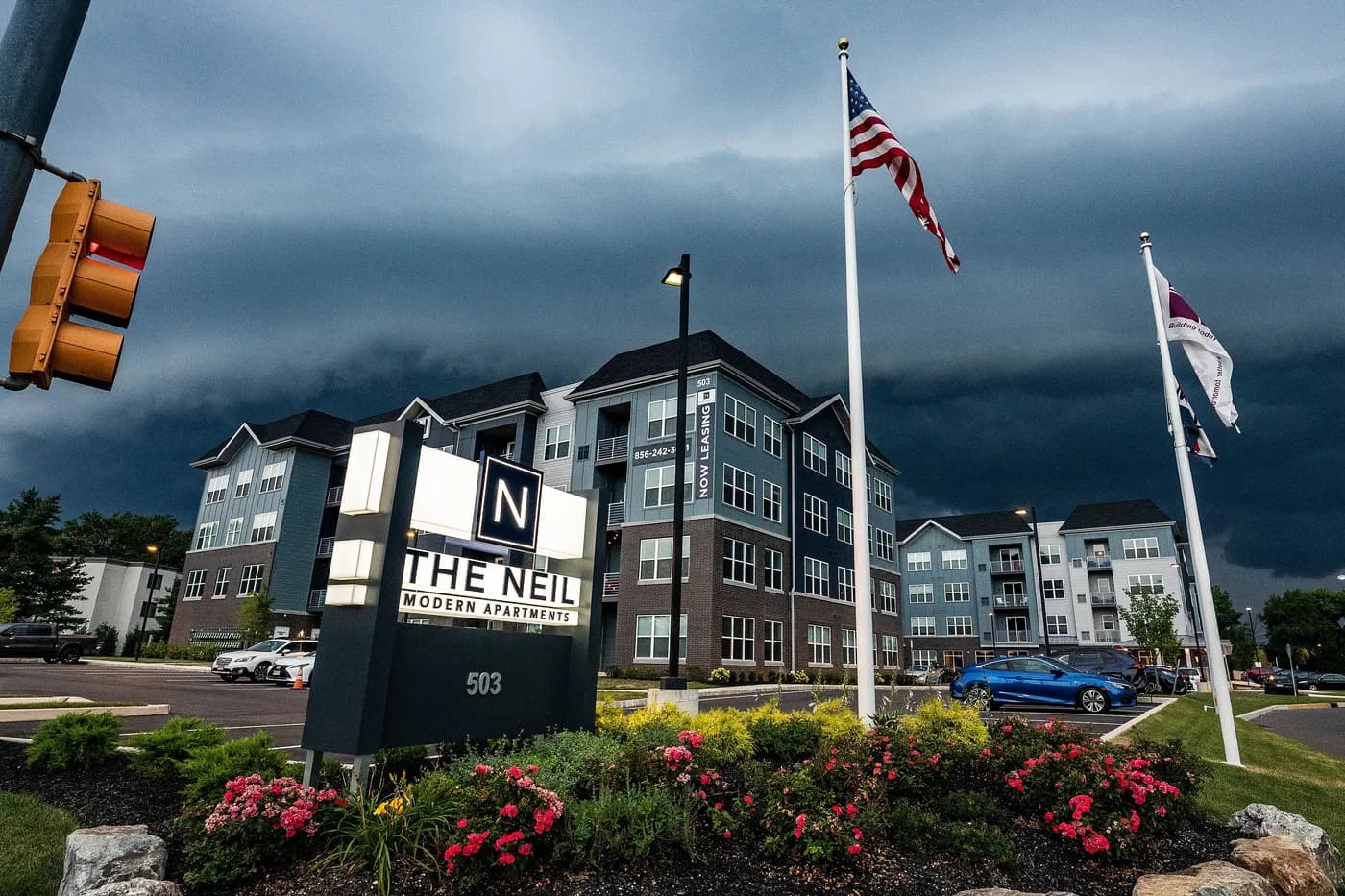
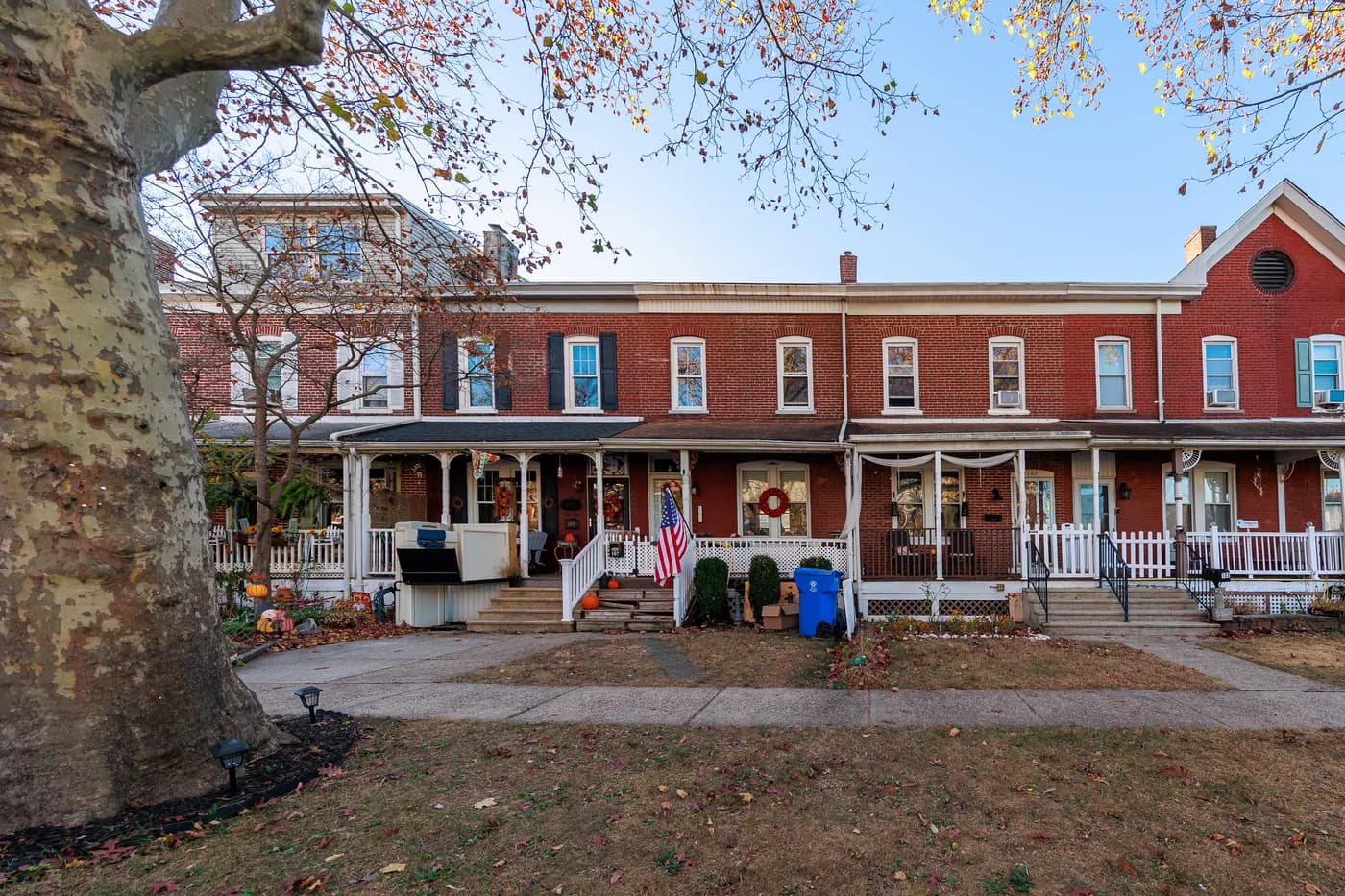
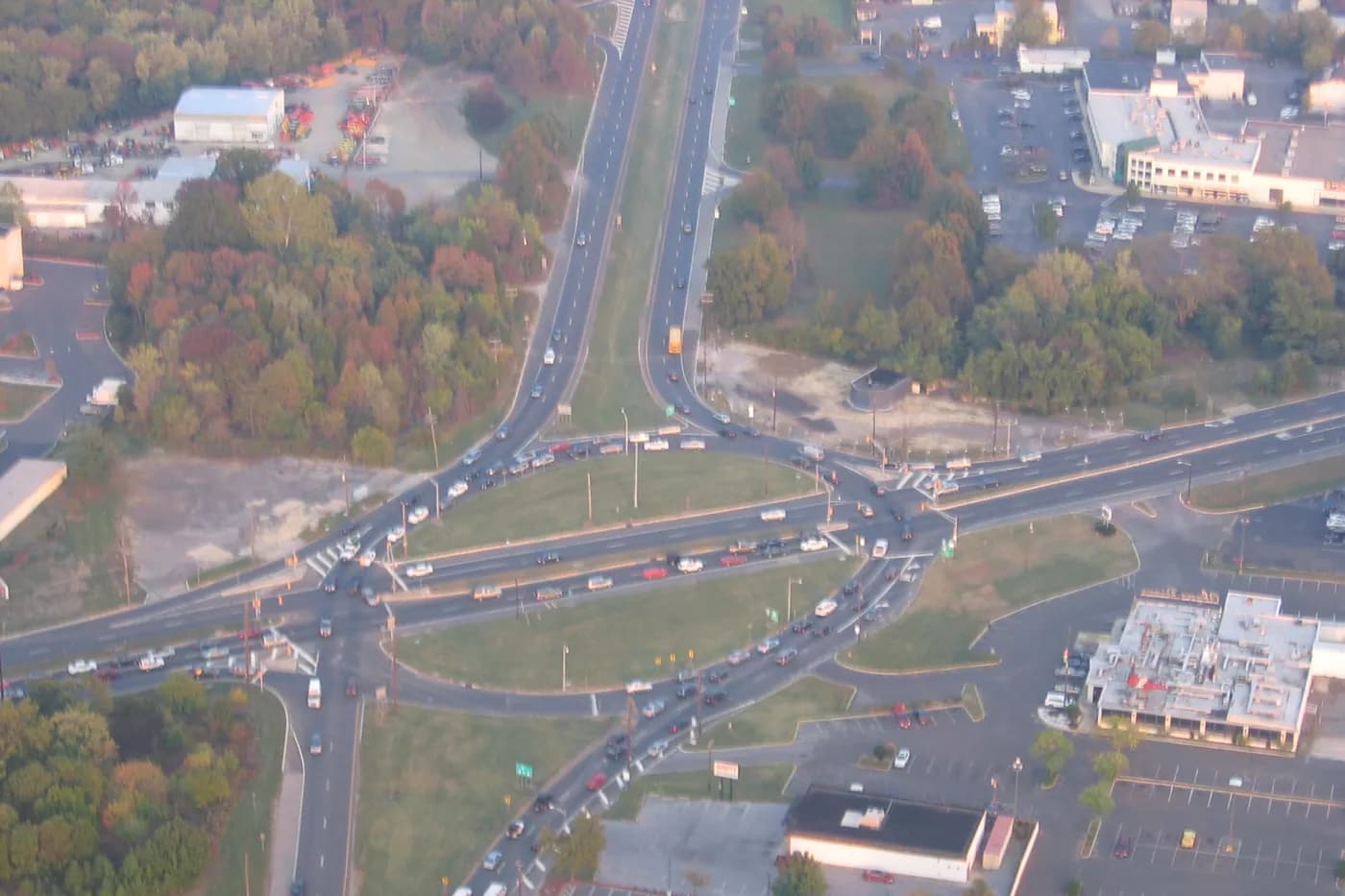
Commercial Roofing around Burlington County
Related
Related services and reading
6 min read
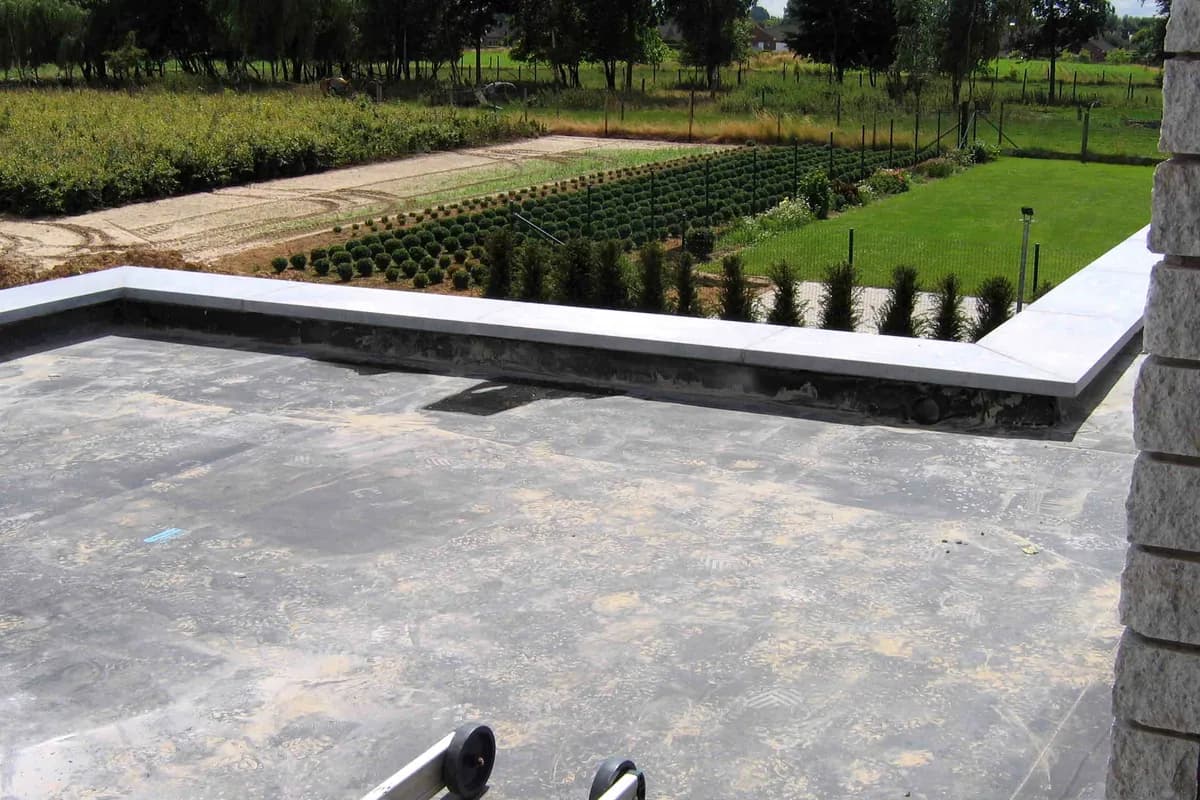
Flat Roof Drainage Problems Explained
On a low-slope roof, almost every membrane problem is really a drainage problem that has been going on for a while.
7 min read
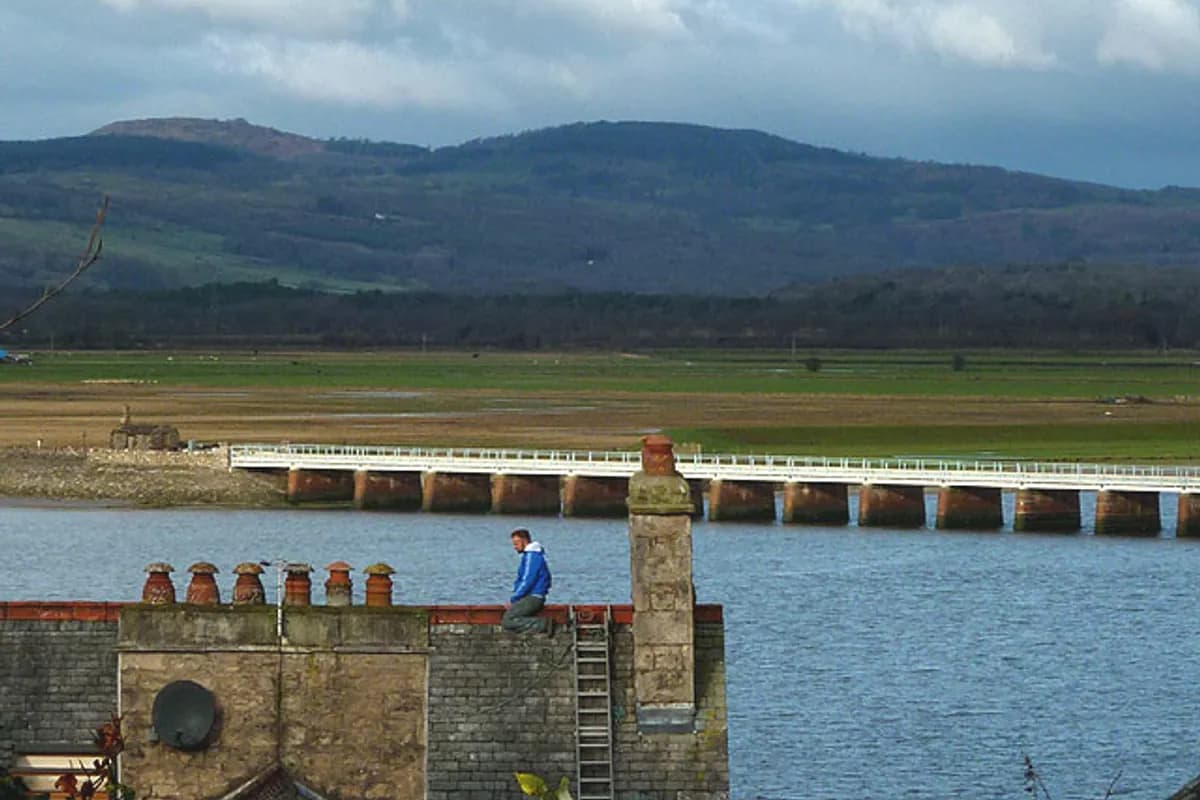
What Happens During a Professional Roof Inspection
A good inspection is mostly spent at the junctions. The middle of the roof is rarely where the trouble is.
6 min read
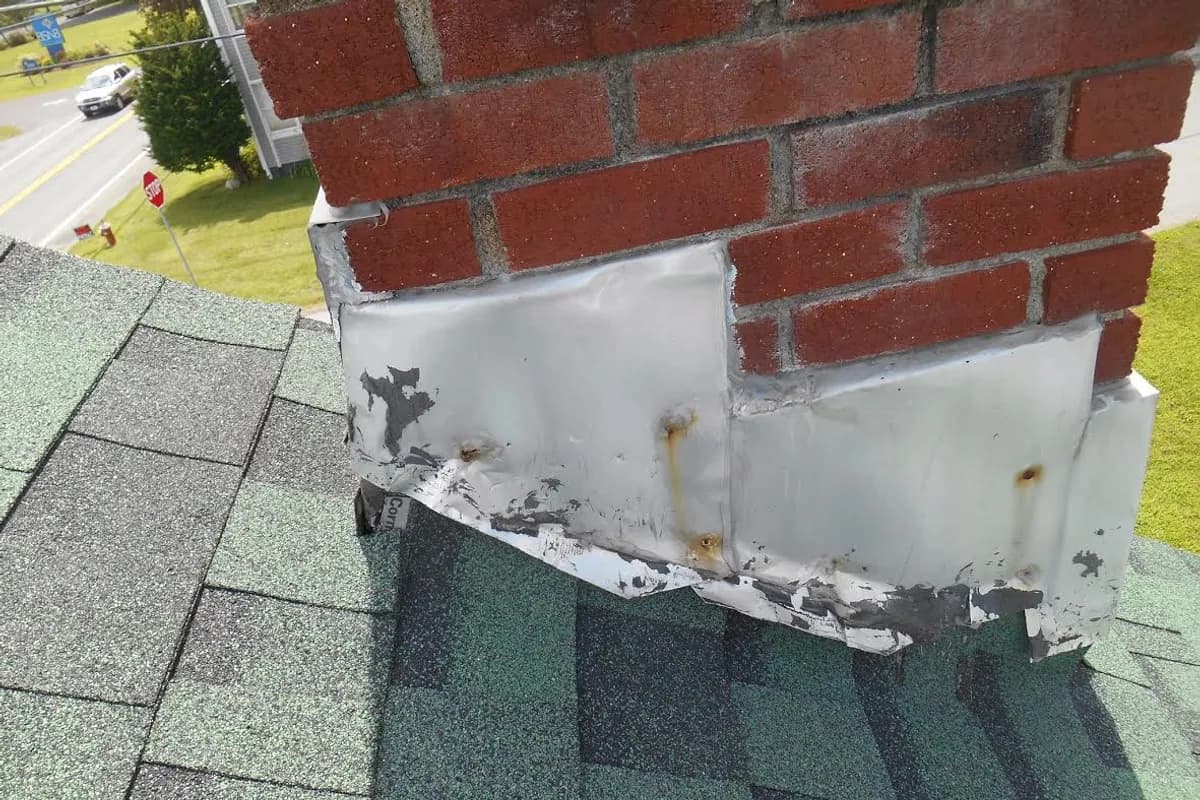
How Flashing Protects Roof Penetrations
A roof is a continuous surface interrupted by holes. Flashing is the craft of making those interruptions shed water.
Ask about commercial roofing
Tell us what is happening and we will get back to you about it. Fields marked * are required; everything else is optional.