Metal Roofing in Burlington County, New Jersey
Metal roofing covers a wide range in this county, from a full standing seam roof on a modern house to a small porch or bay roof on a 19th-century home in one of the river towns, to the agricultural and outbuilding roofs common across the farmland of the northern townships.
The appeal is longevity and wind performance. A properly installed metal roof sheds water and snow readily, does not lose granules, and has no adhesive seal to break in a gust. The trade-off is that metal is unforgiving of a poor installation, because it moves.
Thermal movement is the defining characteristic. A metal panel expands and contracts measurably every day, and a system that does not allow for that will elongate its fastener holes, work its clips loose and eventually leak — regardless of how good the metal itself is.
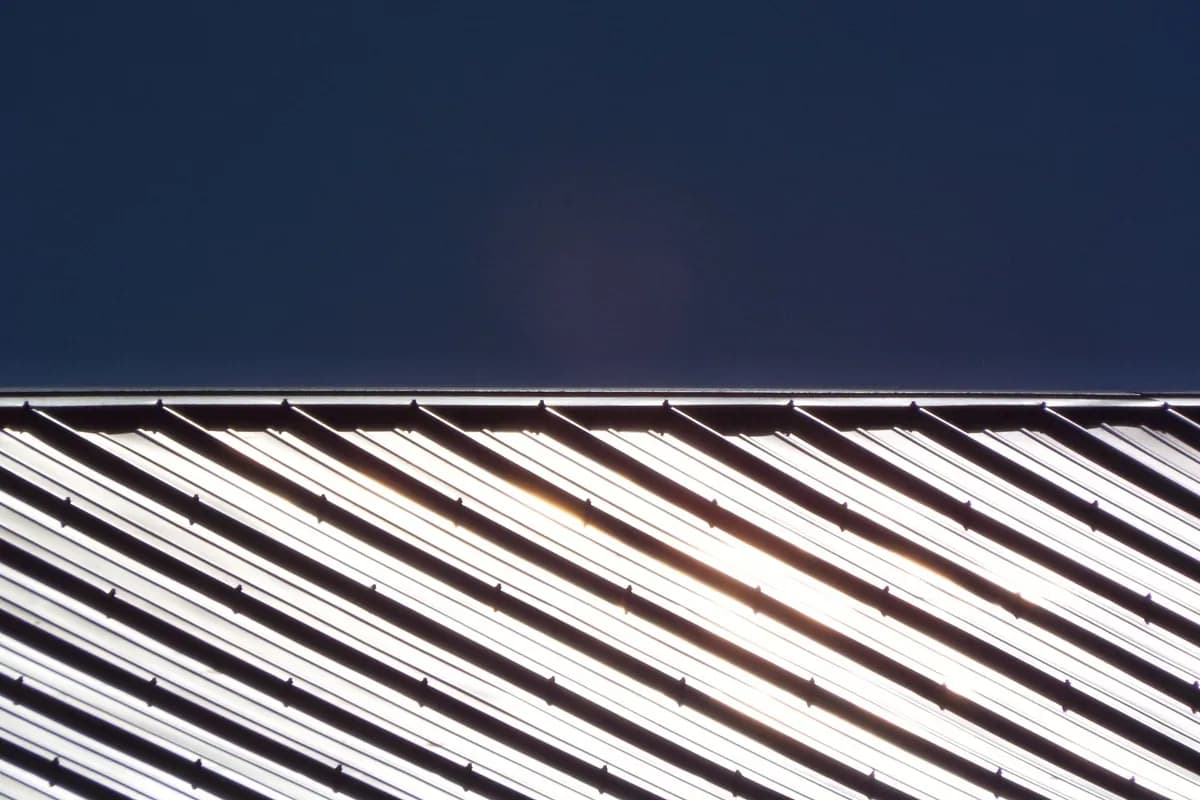
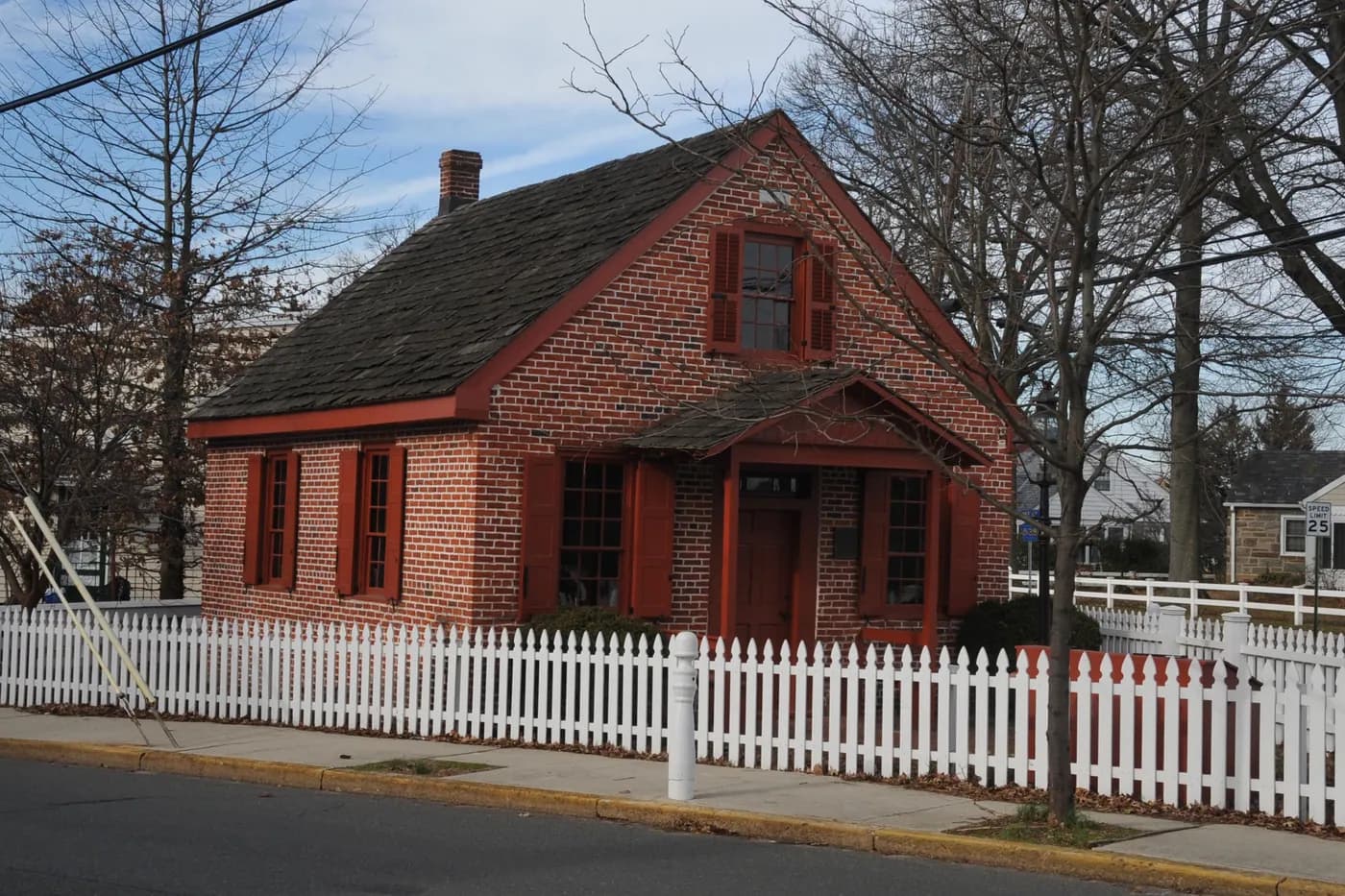
Photo: David Whelan / CC0, via Wikimedia Commons
Signs
When metal roofing is the right call
- Fasteners backing out, or washers that have hardened and cracked
- Seams that have opened or panels that have lifted at an edge
- Rust developing at cut edges, fastener points or a panel end
- Sealant failing at a ridge, valley or wall junction
- Noise or movement from panels in wind
- An existing metal roof of unknown age on a newly bought property
Standing seam versus exposed fastener
Standing seam systems conceal their fasteners. The panels are held by clips hidden in the raised seam, which lets each panel expand and contract along its length without loading a fastener. There is no exposed penetration in the field of the roof at all, which is the main reason these systems last.
Exposed-fastener panels are screwed through the face into the structure, with a rubber washer under each head. They cost considerably less and are common on agricultural buildings, outbuildings and some commercial roofs. The washers are the wear point: they harden with UV and age, and a roof of this type periodically needs its fasteners assessed and replaced.
Thermal movement
A long metal panel changes length noticeably between a January night and a July afternoon. A properly designed system anticipates this: clips allow the panel to slide, penetrations are detailed to accommodate movement, and end laps and terminations are made so that movement does not tear them open.
When movement is not allowed for, the symptoms are consistent — elongated fastener holes, oil-canning distortion in flat pans, sealant pulled apart at terminations, and seams that gradually work open. These are installation faults rather than material faults.
Metal over an existing roof
Metal is sometimes installed over an existing shingle roof on battens or a suitable underlayment. It is legitimate in the right circumstances and it avoids a tear-off, but it carries the same objection as any roof-over: nobody sees the deck.
On an older house where the sheathing condition is unknown, or where there has been any history of leaks, going down to the deck first is the more defensible approach. The saving from avoiding a tear-off is not worth fastening a fifty-year roof to compromised sheathing.
Repairs to existing metal roofs
A great deal of metal roofing work is repair rather than installation: re-fastening panels, replacing degraded washers, correcting a failed ridge or valley detail, addressing rust at cut edges, and repairing the metal porch and bay roofs that are a feature of older homes in the river boroughs and historic districts.
On a historic property, matching profile and finish matters, and so does not making the repair a permanent visual scar. That is worth raising before work starts rather than after.
Materials
Materials and components
- Standing seam panels
- Concealed-fastener system with raised seams; no exposed penetrations in the field.
- Exposed-fastener panels
- Through-fastened panels with washered screws. Economical; the washers are the maintenance item.
- Metal accent roofs
- Porch, bay, dormer and entry roofs — very common on older homes in the county's historic districts.
- High-temperature underlayment
- Rated for the elevated temperatures under a metal panel, unlike standard felt.
Process
How the work is approached
- 01
Assess the existing structure
Deck or purlin condition, and whether it will carry and hold the system properly.
- 02
Specify for movement
Panel type, clip and fastener strategy, and terminations that accommodate expansion.
- 03
Underlayment
A high-temperature underlayment suited to metal, with membrane at the vulnerable areas.
- 04
Install panels and trims
Panels, then ridge, hip, valley, eave and rake trims detailed to shed rather than to be sealed.
- 05
Detail every penetration
Purpose-made flashings that allow movement instead of relying on sealant alone.
- 06
Review
Confirm the roof drains correctly and that no detail restrains panel movement.
Questions
Metal Roofing: common questions
How long does a metal roof last?
Substantially longer than asphalt when installed correctly — metal roofs are routinely specified with service lives measured in decades rather than years. The variable is the installation: a system that does not allow for thermal movement will fail at its fasteners and seams long before the metal itself wears out.
Is a metal roof noisy in rain?
Far less than people expect. Over a solid deck with underlayment and an insulated attic beneath, the difference from a shingle roof is minor. The noise people remember is usually from metal over open purlins on a barn or shed, which is a different assembly entirely.
Can metal be installed over my existing shingles?
It can in the right circumstances, but it means nobody inspects the deck. Where the sheathing condition is unknown or there is any leak history, tearing off first is the sounder approach — you are fastening a very long-lived roof to whatever is underneath it.
Will a metal roof rust?
Modern coated steel and aluminium panels are well protected in the field. Rust appears at cut edges, at fastener points and where the coating has been damaged, which is why edge treatment and careful handling during installation matter.
Can my existing metal porch roof be repaired rather than replaced?
Often, yes. Re-fastening, replacing degraded washers, and rebuilding a failed ridge or wall junction all extend the life of a metal roof considerably. On a historic property, matching the profile and finish is part of doing the repair properly.
Where this comes up
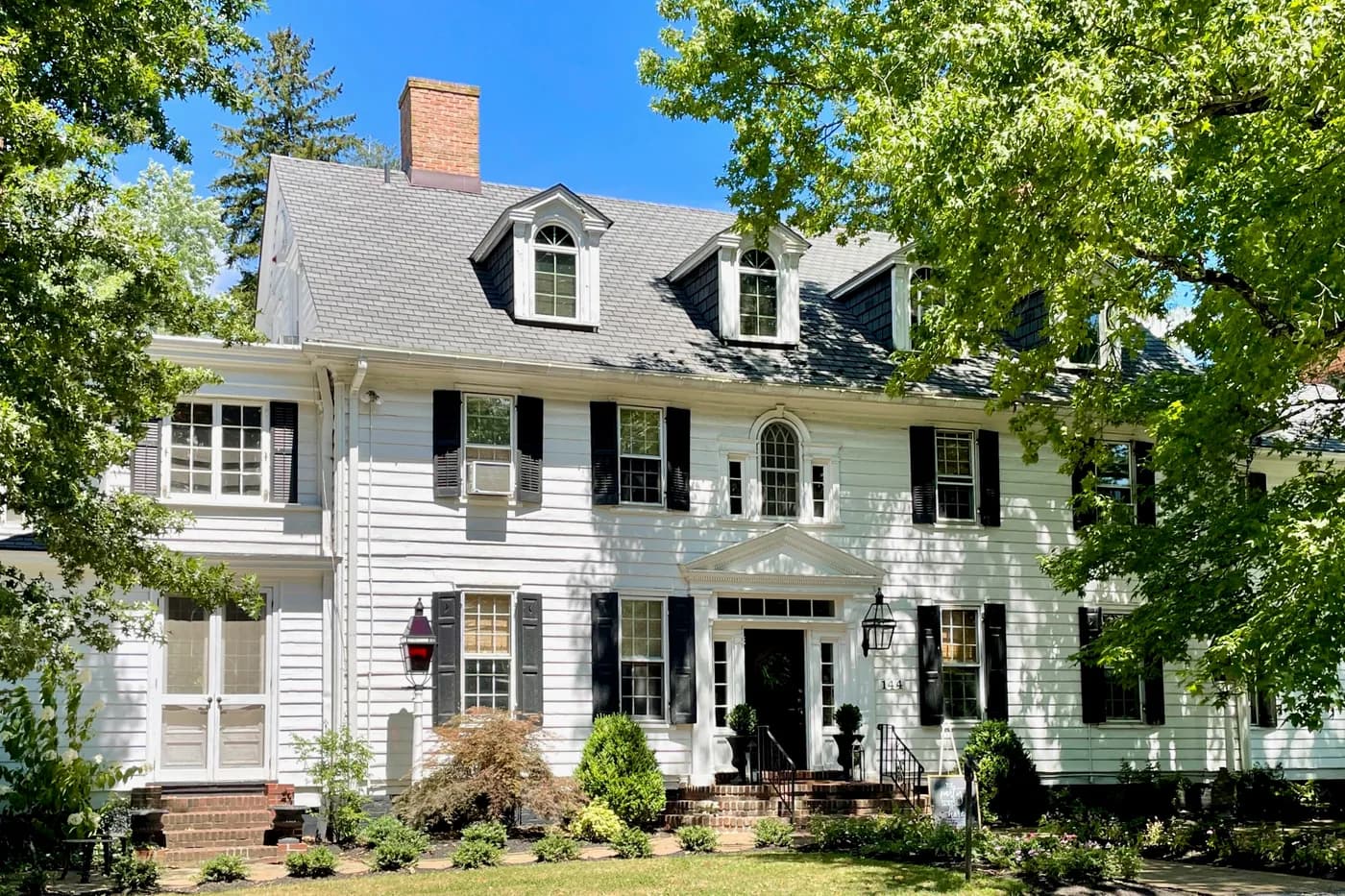
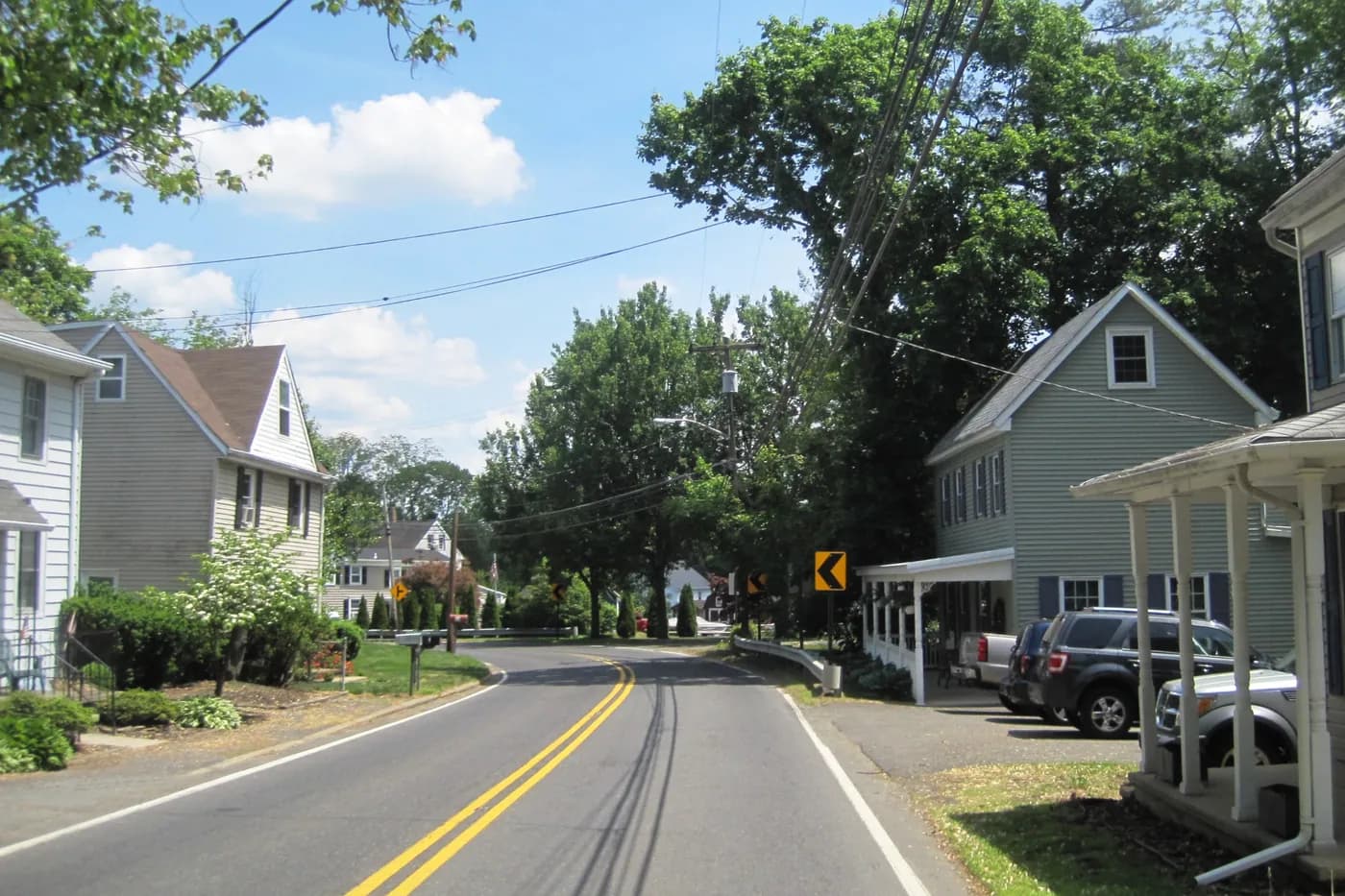
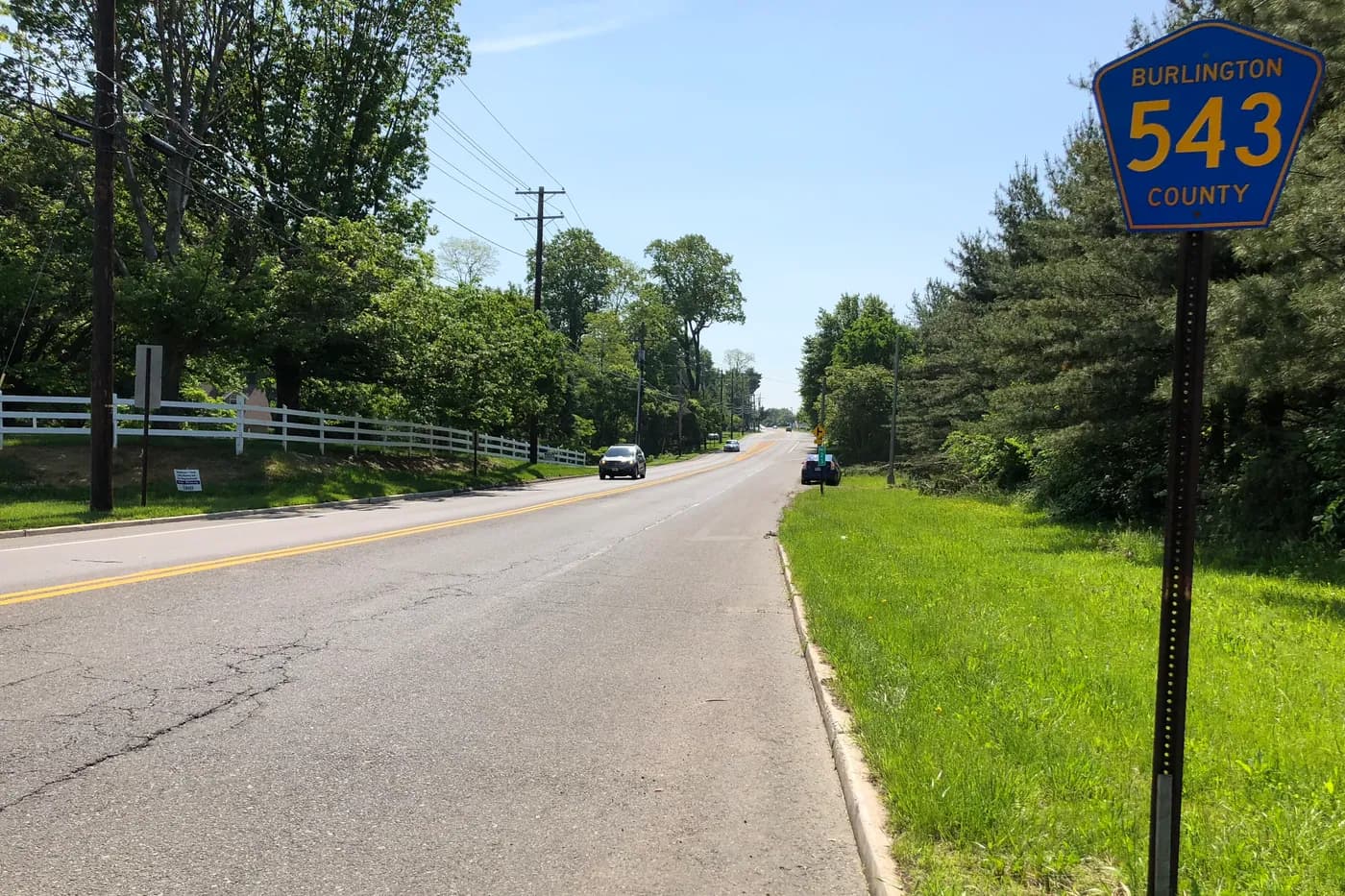
Metal Roofing around Burlington County
Related
Related services and reading
7 min read
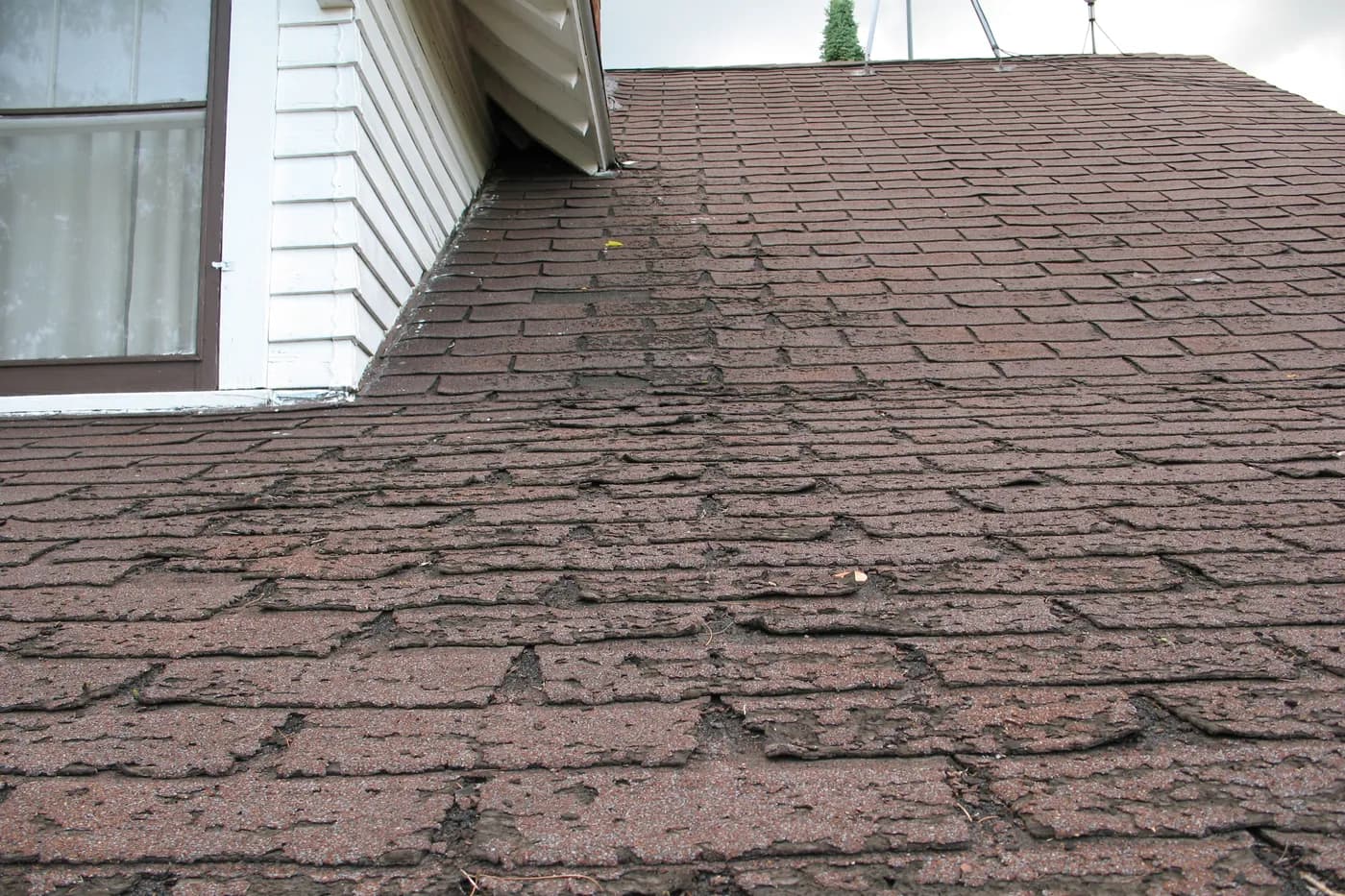
When Is Roof Replacement Better Than Another Repair?
The honest answer usually turns on one distinction: whether the failure is in one place, or everywhere at once.
7 min read
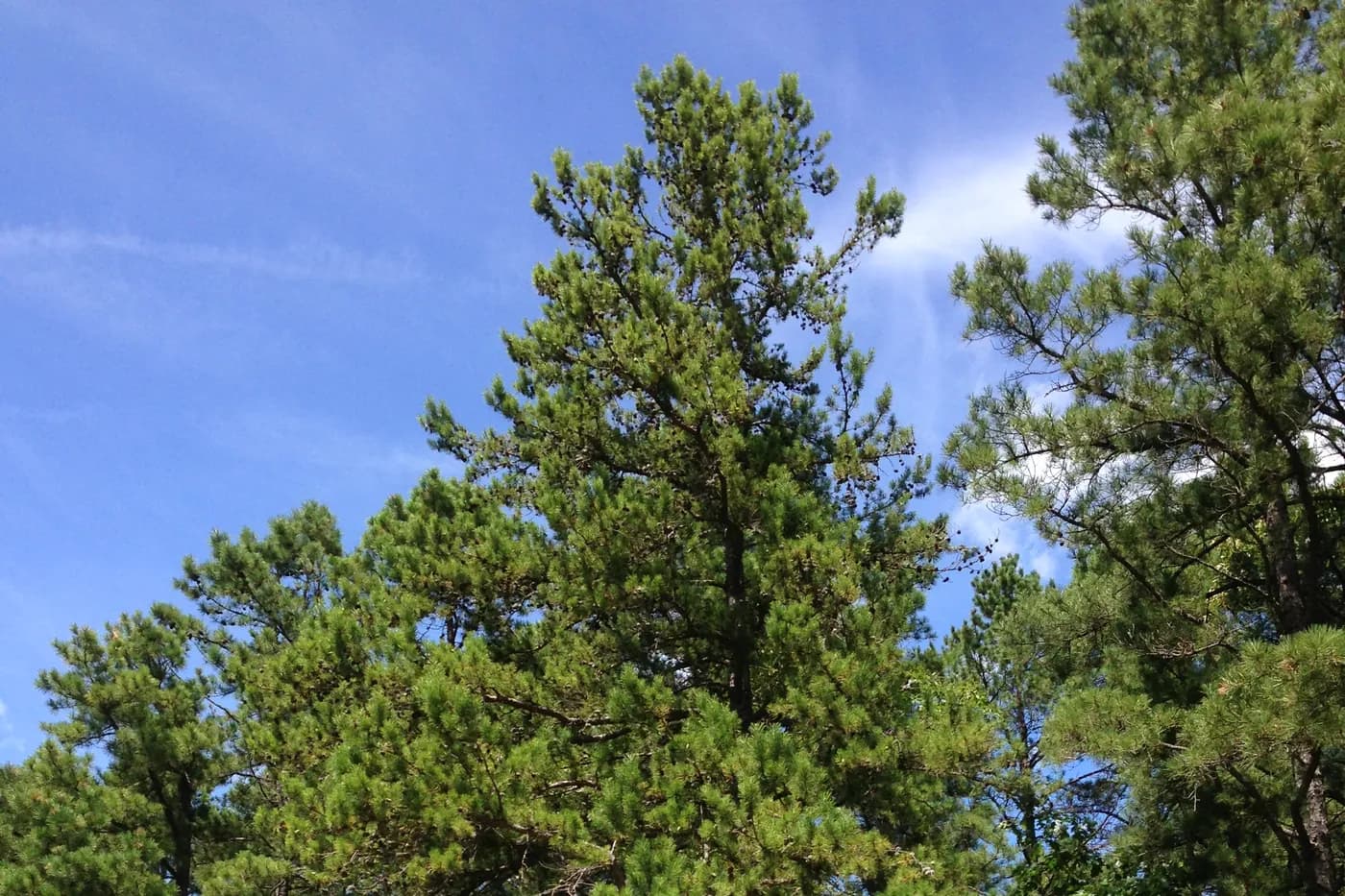
What to Know About Roofing on Wooded Properties
A wooded lot does not just mean more leaves in the gutter. It changes how the roof ages, how it is maintained and how the work gets done.
Ask about metal roofing
Tell us what is happening and we will get back to you about it. Fields marked * are required; everything else is optional.