Chesterfield Township · Burlington County, NJ
Roofing Contractors in Chesterfield Township, NJ
Roof repair, replacement and inspection for farm properties and village homes in Chesterfield Township.
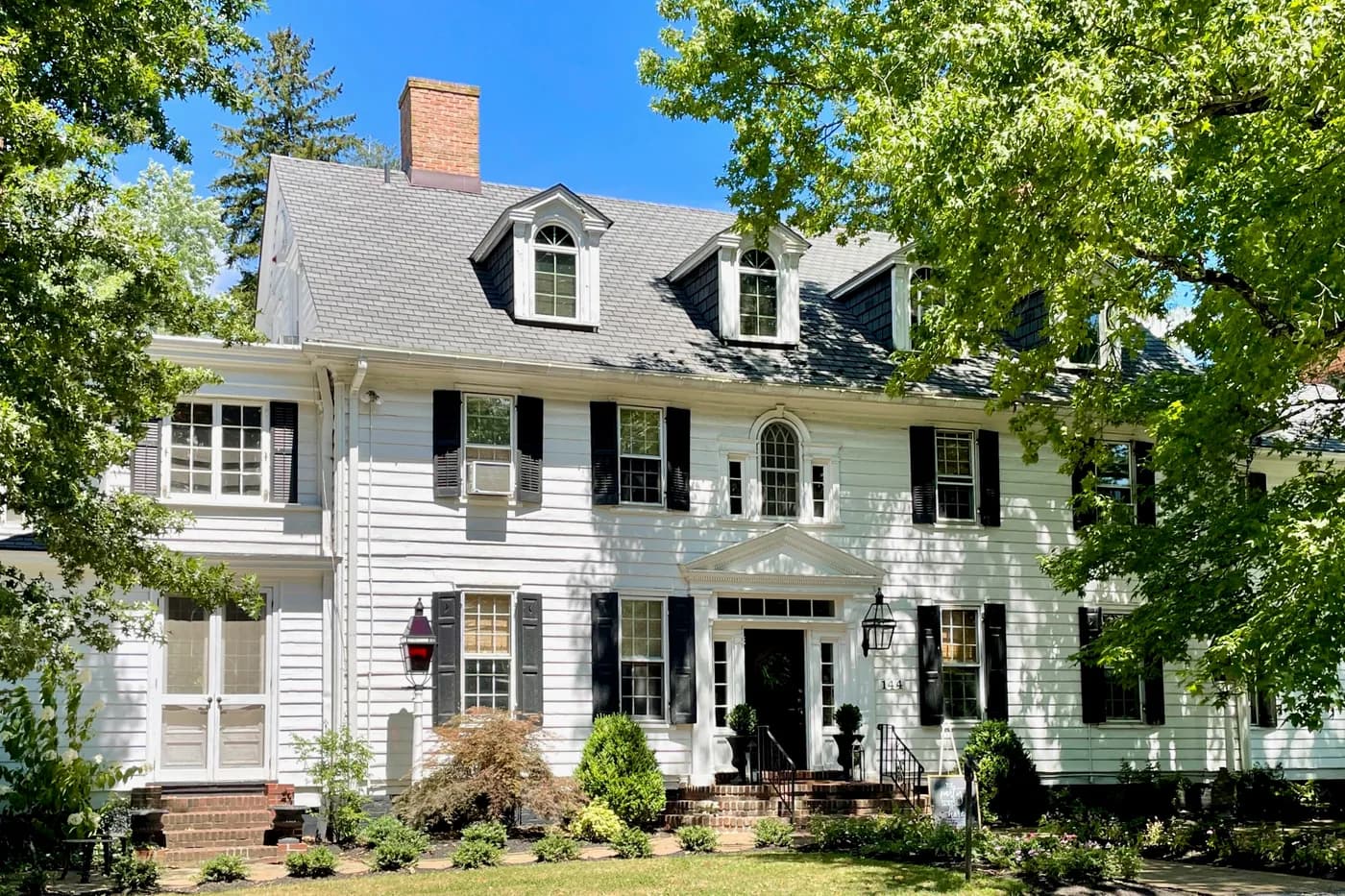
Photo: Zeete / CC BY-SA 4.0, via Wikimedia Commons
Open country and villages
Properties and roofs in Chesterfield Township
Chesterfield made an unusual planning decision and stuck to it. Rather than letting development spread across its farmland, the township preserved more than seven thousand acres and directed growth into a single designated receiving area — Old York Village, a 560-acre planned community that won a national planning award in 2004.
For roofing, that produces two populations with almost nothing in common. On one side, working farms and older farmhouses with substantial outbuildings, most of them metal-roofed. On the other, a compact village of houses built largely in the 2000s, whose roofs are now entering the age where original details start to show.
- Where it is
- The township covers twenty-one square miles of largely agricultural land between Bordentown Township and North Hanover, bordering Hamilton Township in Mercer County. Chesterfield, Crosswicks, Davisville and Extonville are localities within it. Old York Village sits as a concentrated settlement within the surrounding preserved farmland, which was the point of the arrangement.
- What is built here
- Older farmhouses and agricultural buildings account for much of the township's building stock: steeper roofs on the houses, and large-span metal roofs on barns, equipment sheds and storage buildings. Old York Village is the opposite — closely set houses of early-2000s construction with articulated rooflines, porches and comparatively complex geometry for their size.
Shelterbelts, trees and debris
Debris loads across the open farmland are light — this is not a wooded township — but the older farmsteads generally sit within a shelterbelt of mature trees planted for exactly that purpose. Those specific properties collect debris heavily while the surrounding land collects almost none, which is why a generic maintenance schedule fits this township poorly.
Inspection
Look at the roof before it tells you
Properties here are often set back and seldom seen up close, so problems tend to be older by the time they are found. An annual look, plus one after any storm that brought branches down, catches most of it early.
What an inspection coversRoof repair
Typical repairs in Chesterfield Township
- Backed-out fasteners and hardened washers on metal outbuilding roofs
- Broken shingle seals after storms crossing open farmland
- Undersized drainage on farmhouse roofs during intense rainfall
- Valleys collecting debris on Old York Village houses
- Chimney flashing failure on older farmhouses
Replacement
When the covering has run its course
Replacement means taking the roof down to the deck, repairing sheathing, and rebuilding the water barriers, flashing and ventilation. On long or remote drives, where the container and deliveries go needs agreeing first.
Roof replacement step by stepVentilation
Letting the attic dry
Roofs that stay damp outside need attics that can dry inside. Soffit intake blocked by insulation, and bathroom fans venting into the attic, are the usual culprits behind condensation mistaken for leaks.
Ventilation and attic moistureGutters and drainage
Keeping water moving
Agricultural buildings shed enormous volumes of water from large roof areas, and where that lands matters for the buildings themselves and for the ground around them. On the farmhouses, the older gutter arrangements are often undersized for the intensity of a summer thunderstorm. In Old York Village, the more common issue is valley discharge overshooting a gutter on a compact but complicated roof.
Storm preparation
Weather here, and getting ready for it
- Large-span agricultural metal roofs where thermal movement governs everything
- Exposed-fastener panels on outbuildings needing periodic washer replacement
- Older farmhouse roofs with masonry chimneys and plank sheathing
- Full wind exposure across open farmland with no windbreak
- Old York Village roofs from the 2000s reaching their first real assessment point
- Complex rooflines on compact village houses, producing several valleys each
Services
Roofing services in Chesterfield Township
Metal Roofing
Standing seam and metal panel roofing, plus repairs to existing metal roofs and accents.
Roof Repair
Leak tracing and targeted repairs for shingle, flat and tile roofs across Burlington County.
Roof Inspection
A documented assessment of what a roof is actually doing — before committing to any work.
Storm Damage Roof Repair
Assessment and repair after wind, hail, wind-driven rain and falling debris.
Questions
Roofing questions from Chesterfield Township
Do you work on barns and agricultural buildings?
Yes. Large-span metal roofs are a distinct discipline — the governing issue is thermal movement, because a long panel changes length measurably between a January night and a July afternoon. A system that does not allow for that elongates its fastener holes and works its seams open, regardless of how good the metal is.
The screws on my shed roof are backing out. Is that serious?
It is worth attending to. On exposed-fastener panels each screw has a rubber washer that hardens and cracks with UV and age, and once it does the fastener no longer seals. Backing out usually means the hole has elongated from thermal movement as well. Re-fastening with oversized fasteners and new washers is routine maintenance on this kind of roof.
My house is in Old York Village. Does it need anything yet?
It is a sensible point for a first proper assessment. Houses there were largely built in the 2000s, which puts the roofs at the age where original vent boot collars split, seals on exposed slopes release, and any shortcut taken during a build boom has had time to show. Finding that before it leaks is much cheaper than after.
Does open farmland exposure really damage roofs?
It raises the wind loading considerably. With no tree line or neighbouring buildings to break a gust, uplift on the exposed slopes is higher than on an equivalent roof in a sheltered subdivision. That makes fastening pattern and starter course at the rakes more consequential than they would otherwise be.
Nearby
Service areas near Chesterfield Township
- Bordentown Township
- Mansfield Township
- North Hanover Township
- Springfield Township
- Bordentown City
- All 40 municipalities
Further reading
6 min read
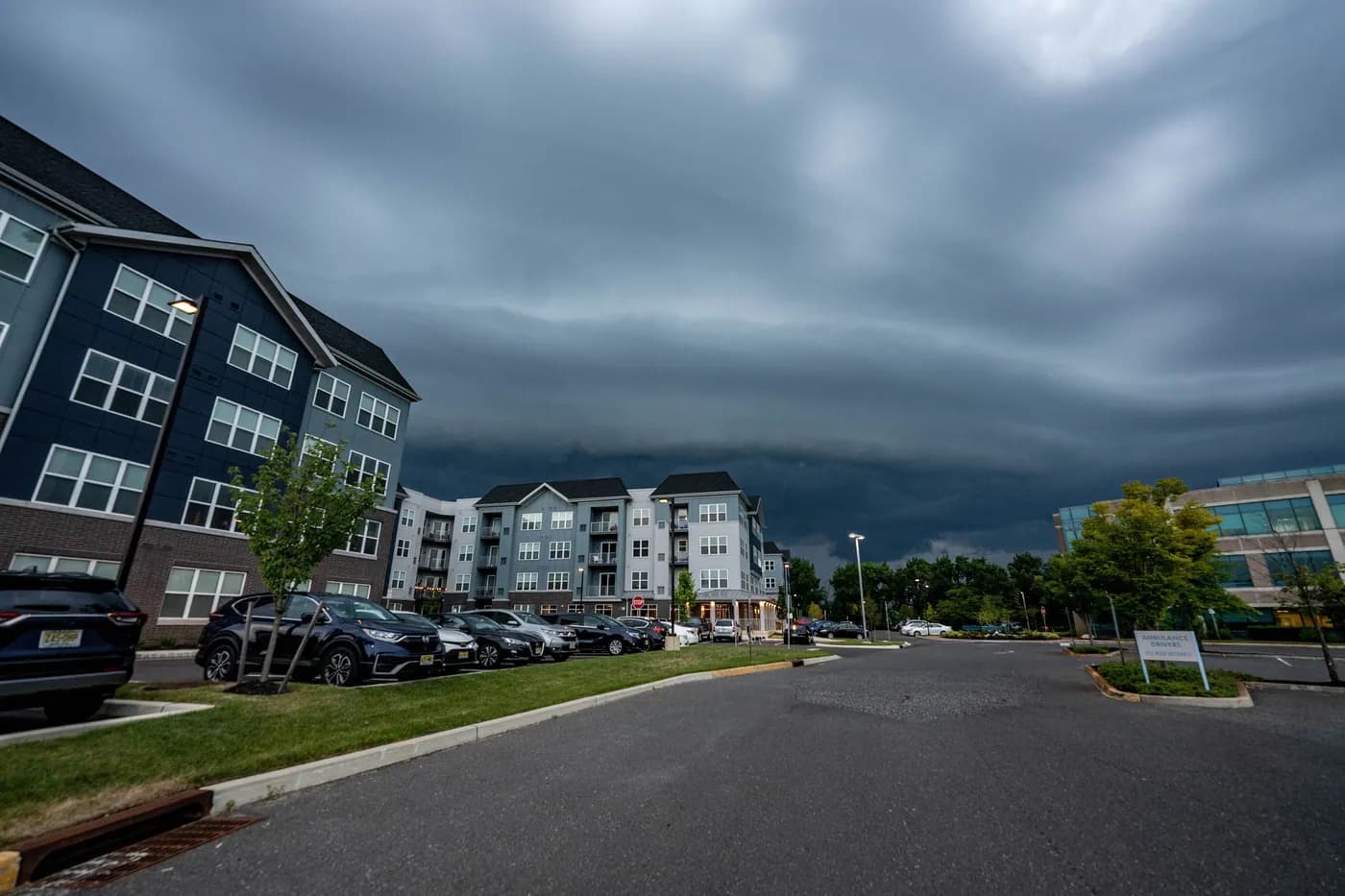
When Should You Inspect a Roof After a Windstorm?
The most common form of wind damage leaves the roof looking completely normal from the ground. Here is how to tell whether yours needs attention.
7 min read
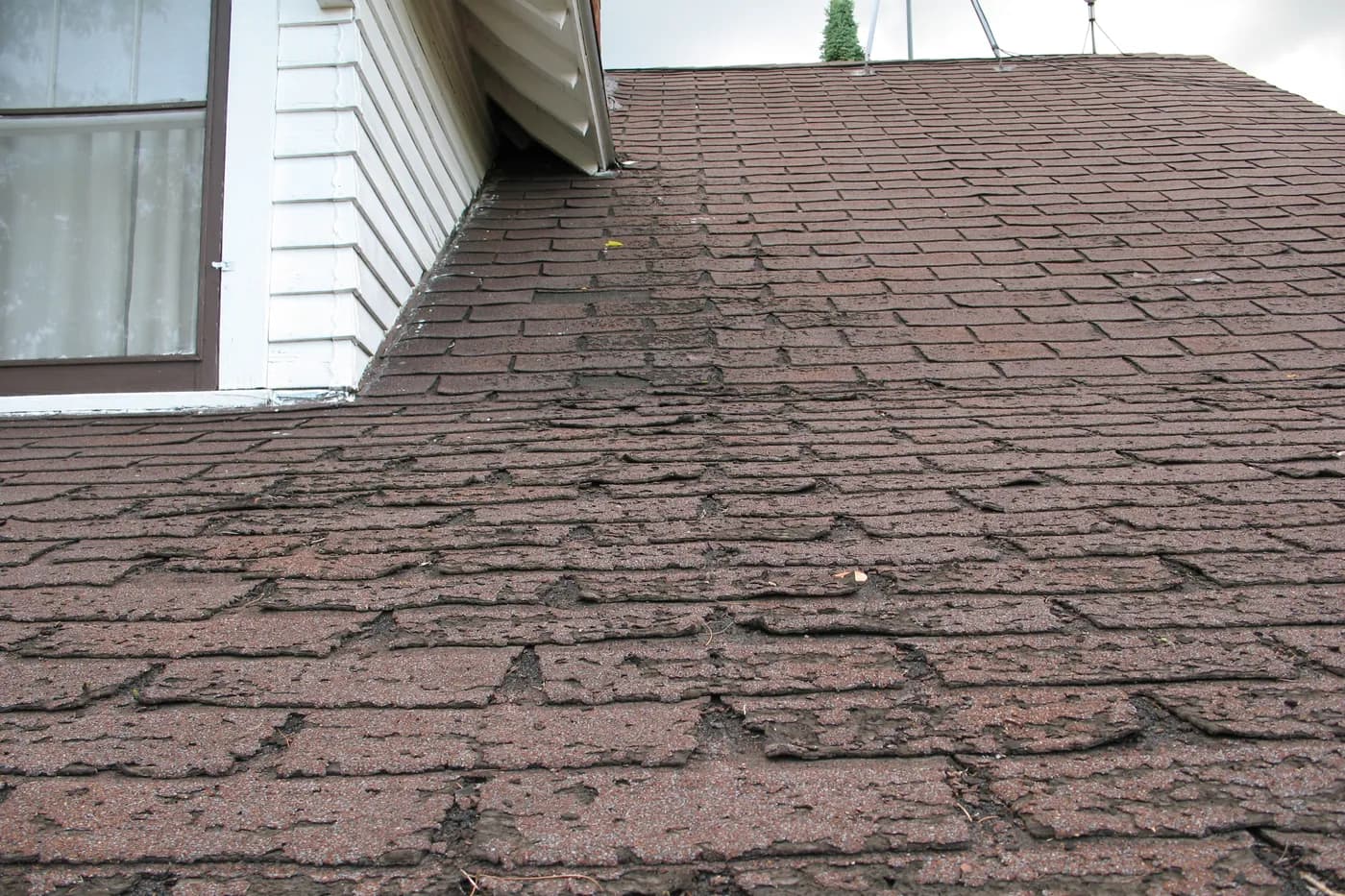
When Is Roof Replacement Better Than Another Repair?
The honest answer usually turns on one distinction: whether the failure is in one place, or everywhere at once.
6 min read
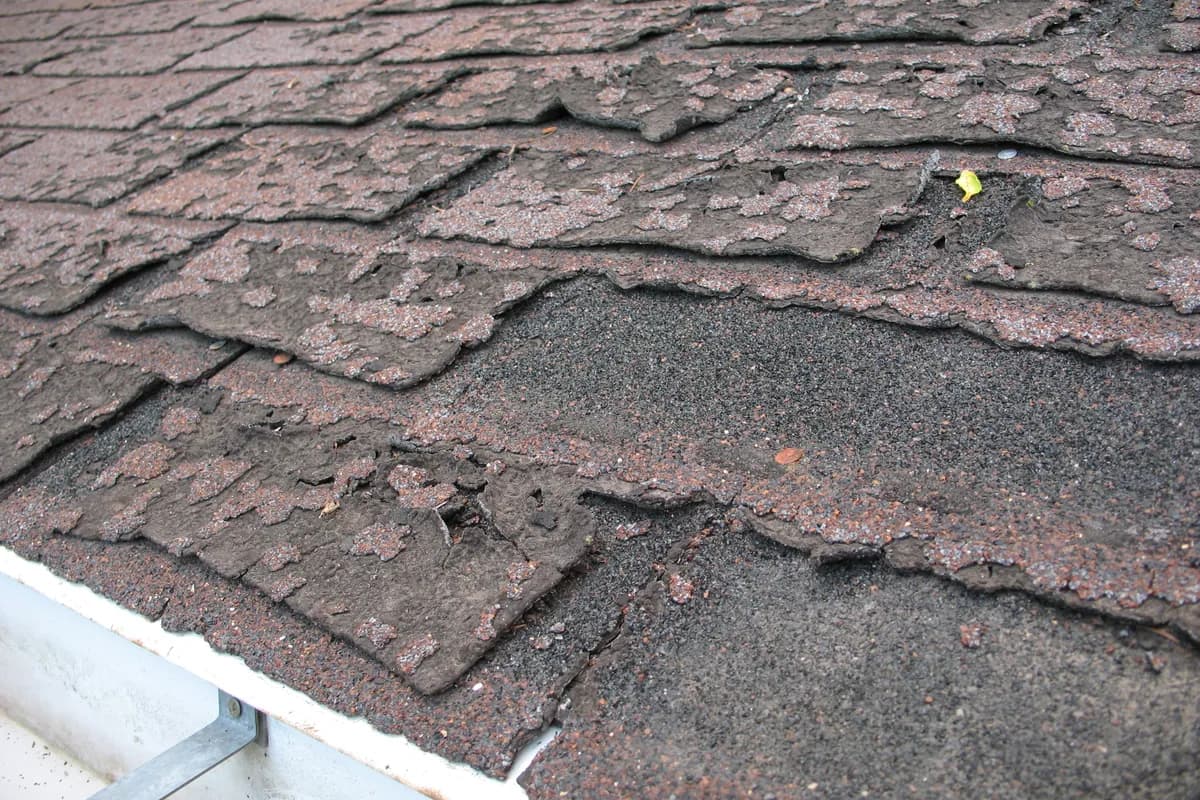
Why Roof Valleys Are Common Leak Areas
A valley may carry half a roof's drainage through a channel a few inches wide. It is the hardest-working part of the covering.
Get your Chesterfield Township roof looked at
Tell us about the roof. The municipality page you are on is recorded for context only — the property address you give is what we use.