When Is Roof Replacement Better Than Another Repair?
Published · Updated · 7 min read
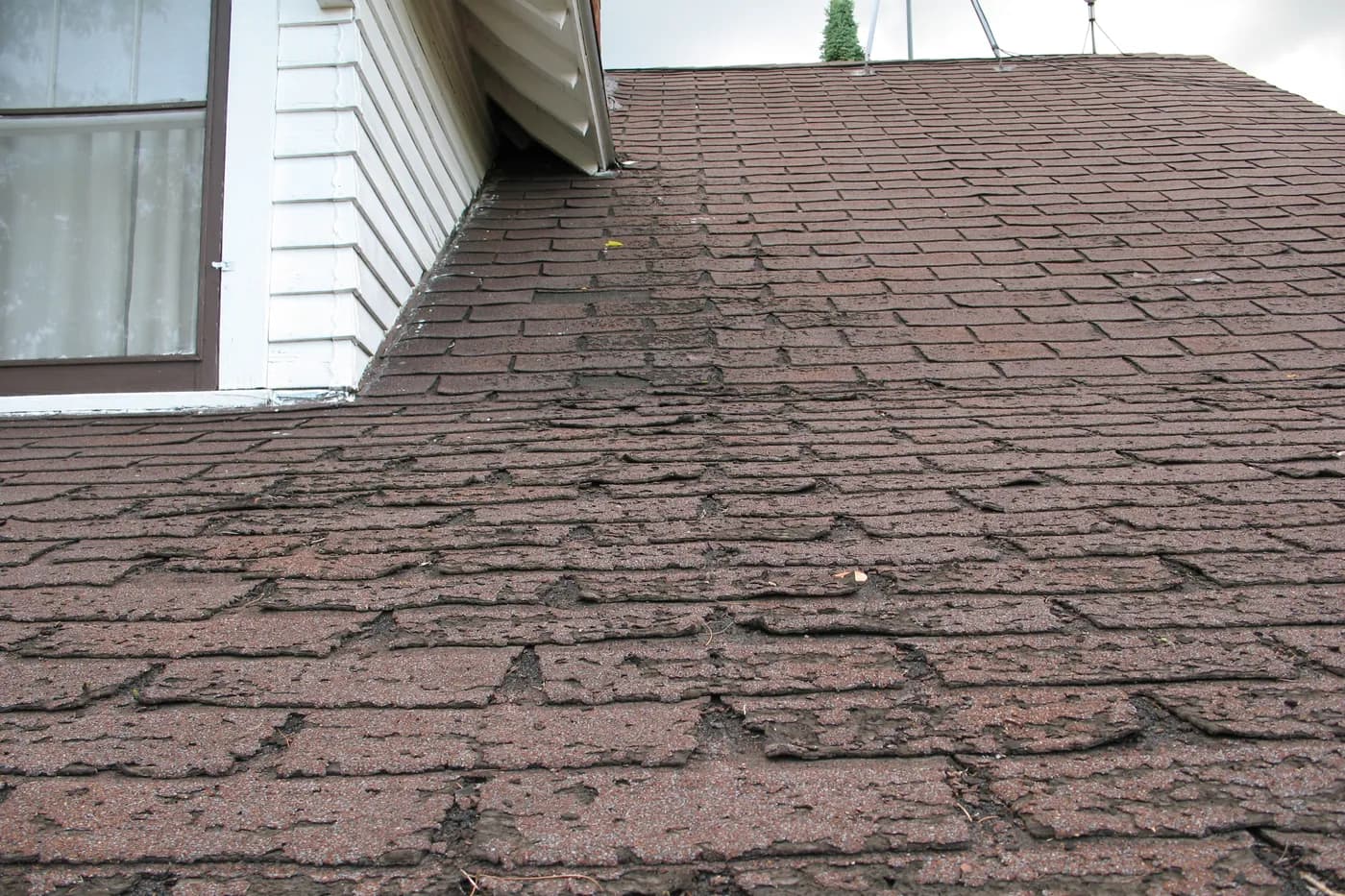
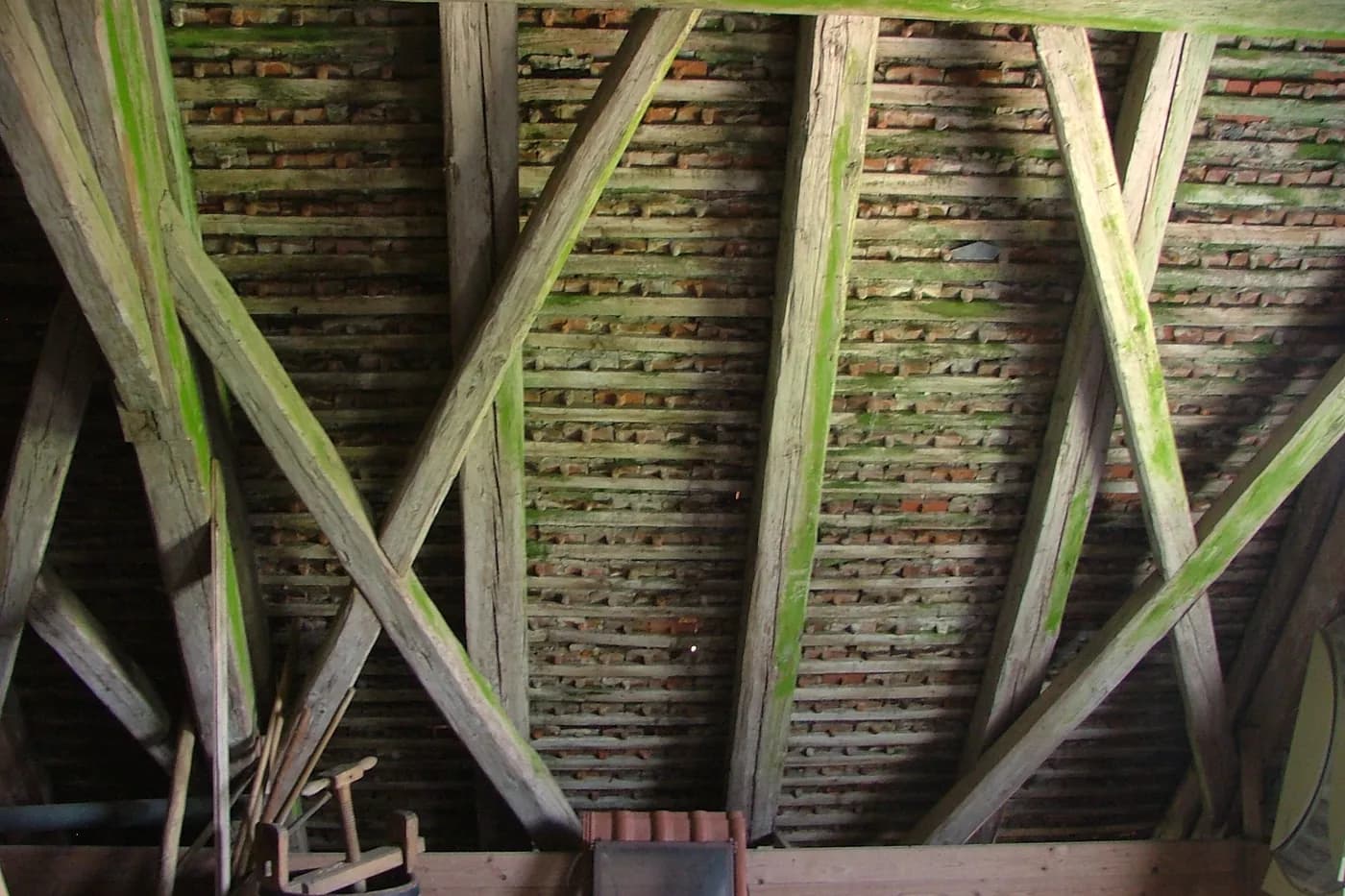
Photo: DMahalko, Dale Mahalko, Gilman, WI, USA -- Email: dmahalko@gmail.com / CC BY-SA 3.0, via Wikimedia Commons
Almost every homeowner facing a roof decision has been told different things by different people, and usually at least one of them had an interest in the answer. It is a frustrating position to be in, because the amounts involved are significant either way.
The decision is more tractable than it looks. It rests on a small number of questions, and if you can answer them the conclusion tends to follow.
Question one: is the failure local or general?
This is the question that decides most cases. A local failure is a specific thing that has broken in a specific place — a split vent boot, a length of failed step flashing, a patch of wind-damaged shingles, a valley that was badly detailed. Everything around it is sound. That is a repair, and it will hold.
A general failure is the whole covering reaching the end of its service life at the same time, because it was all installed on the same day and has weathered together. Granule loss across every slope, shingles that crack when lifted rather than flexing, seals released widely, leaks appearing in unrelated places within a couple of seasons. Repairing that is repairing one square foot of a roof that is failing everywhere.
Question two: what is the decking doing?
Shingles can be replaced. Decking can be replaced too, but only by taking the roof off, which means the question changes entirely once the sheathing is involved.
Where a leak has been running long enough to delaminate plywood or rot plank sheathing over a meaningful area, a surface repair is putting a new covering over a substrate that will not hold a fastener properly. Small areas are repaired routinely; widespread damage points firmly toward replacement.
Question three: how many layers are up there?
Two layers of shingles on the deck changes the maths. Repairs are harder and less reliable through two layers, the deck has not been seen in decades, and the extra weight and trapped heat have been shortening the top layer's life the whole time.
It also means the next job is a full tear-off of both layers regardless. If you are already at that point, spending on repairs to the top layer is money that does not carry forward.
Question four: how long do you need it to last?
This is a legitimate part of the decision and it is often left unspoken. A repair that buys three or four years on a roof with some life left is a perfectly sensible outcome if you know that is what you are buying.
It is a bad outcome if you thought you were buying fifteen years. The important thing is that the expectation is explicit — what the repair is expected to achieve, and what it is not.
Question five: what has already been spent?
Look at the last few years. Repeated repairs in different places, each one reasonable on its own, add up to a pattern — and the pattern is the roof telling you something the individual visits did not.
Two repairs in the same place mean the cause was never found. Three repairs in three different places over three years usually means general deterioration rather than three unrelated events.
When repair is clearly right
It is worth saying plainly, because it is the more common answer: a roof in mid-life with a specific, identifiable failure should be repaired. A ten-year-old roof with a split vent boot does not need replacing, and anyone recommending otherwise should be asked to explain exactly what is wrong with the rest of it.
Age alone does not condemn a roof either. A well-ventilated, well-installed shingle roof can be in good order at twenty years; a poorly ventilated one can be finished at fifteen. Condition decides, not the calendar.
How to get an answer you can trust
Ask for the reasoning rather than the conclusion. Which slopes show deterioration? Is it general or confined? What condition is the decking in where it can be seen? What is the state of the flashing and the ventilation? Photographs of each.
A recommendation that comes with evidence can be checked. One that arrives as a number with a deadline attached cannot.
Want someone to look at your roof?
Related services: Roof Replacement, Roof Repair, Roof Inspection