Shamong Township · Burlington County, NJ
Roofing Contractors in Shamong Township, NJ
Roof repair, replacement and inspection for Pinelands properties across Shamong Township.
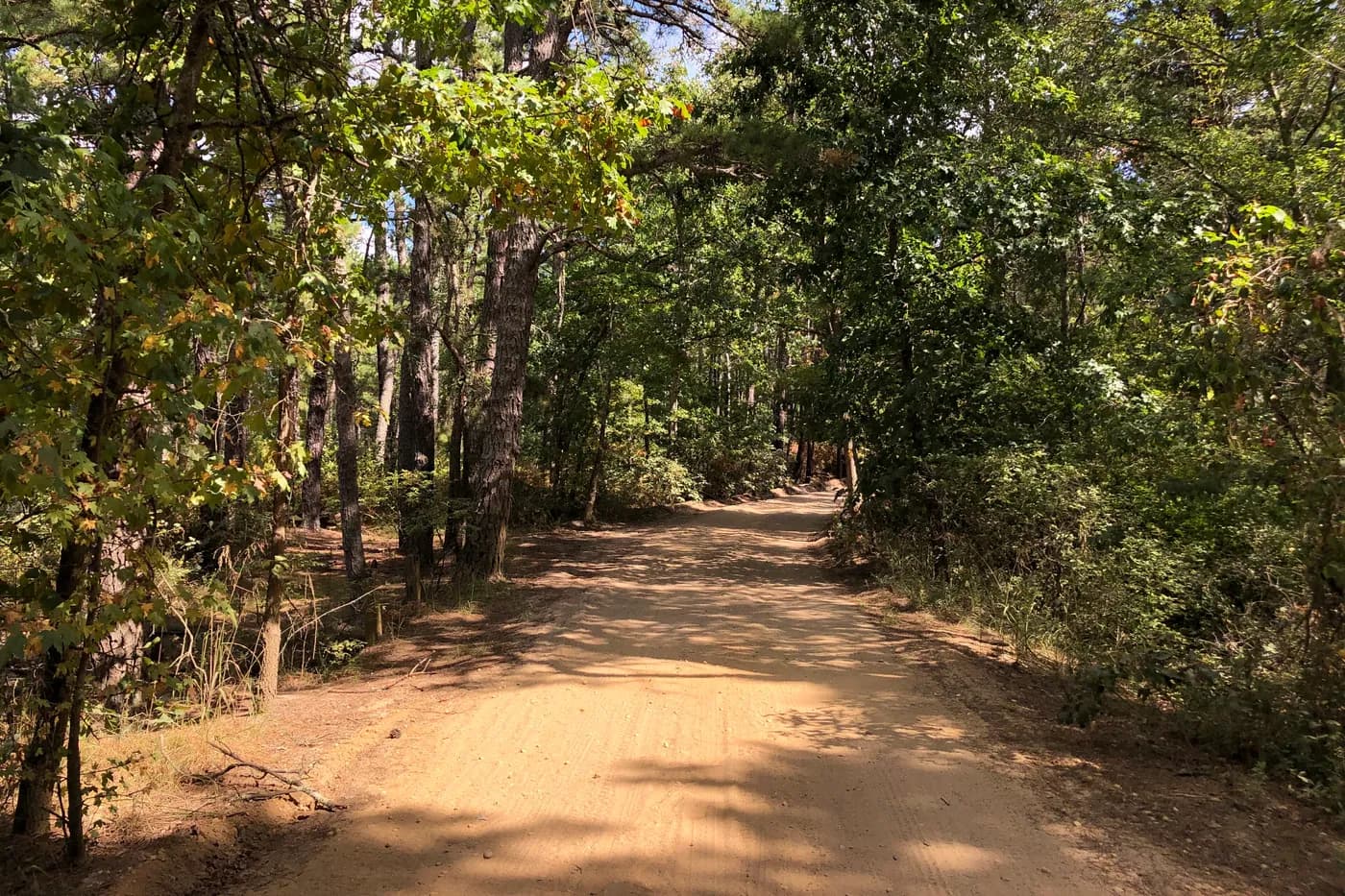
Photo: Famartin / CC BY-SA 4.0, via Wikimedia Commons
Woodland setting
Properties and roofs in Shamong Township
Shamong is forty-five square miles of pine country, entirely within the state-designated Pinelands Area, with Wharton State Forest and the Mullica River along its edges. Indian Mills is its principal settlement; Atsion, Hampton Furnace and Dellette are among the other names on the map.
Houses here sit on large wooded lots, often set well back from the road under mature pine and mixed canopy. That is an attractive way to live and a demanding setting for a roof — the covering is shaded from UV, which helps, but it rarely dries fully and it is under something dropping needles onto it twelve months a year.
- Where it is
- The township covers forty-five square miles between Medford and Tabernacle, bordering Washington Township, Hammonton in Atlantic County and Waterford in Camden County. Indian Mills, Atsion, Hampton Furnace, High Crossing, Dellette, Flyat and Smalls are localities within it. Wharton State Forest occupies a substantial area, and the Mullica River runs through the southern part. The name derives from Lenape words meaning 'place of the big horn'.
- What is built here
- Detached houses on large wooded parcels are the norm — a mix of older homes near the historic settlements, substantial building from the 1970s onward, and newer construction on individual lots. Many properties include outbuildings, garages and workshops, frequently with metal roofs. Roof geometry on the larger houses tends to be articulated, which means several valleys sitting beneath heavy canopy.
Tree cover and organic debris
This is the defining issue in Shamong. Pine needles fall throughout the year, knit into a dense mat that sheds water rather than letting it through, and are small enough to pass most gutter guards. They lodge under shingle edges and in flashing joints where they hold moisture against the covering. Broad-leaf debris from mixed canopy adds to it seasonally.
Inspection
Look at the roof before it tells you
Properties here are often set back and seldom seen up close, so problems tend to be older by the time they are found. An annual look, plus one after any storm that brought branches down, catches most of it early.
What an inspection coversRoof repair
Typical repairs in Shamong Township
- Needle mats blocking valleys and gutters between clearances
- Moss establishing on permanently shaded slopes
- Limb damage discovered long after the storm that caused it
- Worn granule stripes where branches rest on the roof
- Failed washers on metal outbuilding and workshop roofs
Replacement
When the covering has run its course
Replacement means taking the roof down to the deck, repairing sheathing, and rebuilding the water barriers, flashing and ventilation. On long or remote drives, where the container and deliveries go needs agreeing first.
Roof replacement step by stepVentilation
Letting the attic dry
Roofs that stay damp outside need attics that can dry inside. Soffit intake blocked by insulation, and bathroom fans venting into the attic, are the usual culprits behind condensation mistaken for leaks.
Ventilation and attic moistureGutters and drainage
Keeping water moving
Gutters block faster here than almost anywhere else in the county, and a single annual clean leaves them part-blocked for most of the year. Valleys deserve as much attention as gutters — on an articulated roof under heavy canopy, a packed valley pushes water sideways under the courses either side, which is the most common cause of a leak on an otherwise healthy Shamong roof.
Storm preparation
Weather here, and getting ready for it
- Continuous pine needle fall that mats and passes through most gutter guards
- Roofs that stay damp under canopy, allowing moss to lift shingle edges
- Limb strikes cracking decking and framing without breaking the shingle surface
- Long driveways and set-back houses complicating access and material handling
- Pinelands Area designation covering the entire township
- Wildfire risk in pine country, making debris on and around the roof a live concern
Services
Roofing services in Shamong Township
Gutter Services
Gutters, downspouts and roof-edge drainage — the part of the roof system that moves water away.
Roof Inspection
A documented assessment of what a roof is actually doing — before committing to any work.
Storm Damage Roof Repair
Assessment and repair after wind, hail, wind-driven rain and falling debris.
Roof Repair
Leak tracing and targeted repairs for shingle, flat and tile roofs across Burlington County.
Questions
Roofing questions from Shamong Township
Why do my gutters block so quickly here?
Pine needles. They come down all year rather than in an autumn burst, and they knit into a dense mat that sheds water instead of passing it. They are also small enough to get through most gutter guards. Two or three clearances a year is realistic in Shamong, and even that can leave gutters partly blocked between visits.
Is debris on the roof a fire concern in pine country?
Accumulated dry needles and leaves on a roof, in valleys and in gutters are combustible material sitting on the building, and keeping them cleared is sensible practice in a wooded Pinelands setting for that reason as well as for drainage. For anything specific to your property, local fire officials are the right people to ask.
Does the Pinelands designation affect what I can do to my roof?
All of Shamong lies within the state-designated Pinelands Area, so for anything beyond straightforward repair or replacement of an existing roof it is worth checking with the township and the Pinelands Commission first. Replacing a covering like for like is a different matter from altering a structure, and it is better to ask than to assume.
My house is a long way down an unpaved drive. Is that a problem?
It affects logistics rather than the roofing. Where a drive is long, narrow or soft, how material gets to the house and where the debris container can stand both need working out in advance — particularly for a tear-off, which produces a great deal of waste.
A branch has been resting on my roof for years. Is that doing harm?
Yes, steadily. Every time the wind moves it, it abrades granules off the shingles in the same arc, and over a few seasons that leaves a worn stripe where the UV protection has gone. Clearing branches back off the roof, where it can be done safely, is one of the more effective things a wooded property can do.
Nearby
Service areas near Shamong Township
Further reading
7 min read
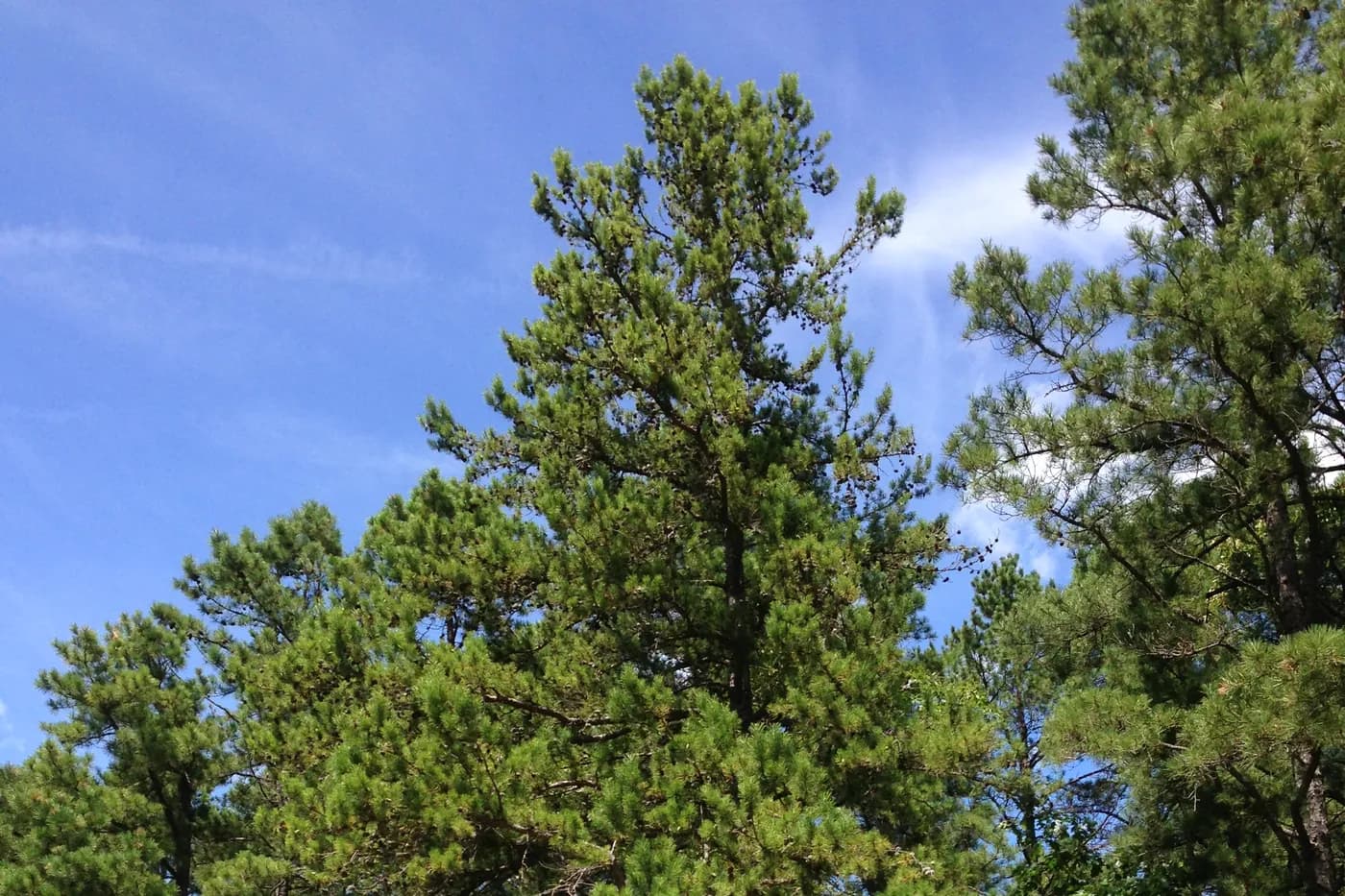
What to Know About Roofing on Wooded Properties
A wooded lot does not just mean more leaves in the gutter. It changes how the roof ages, how it is maintained and how the work gets done.
6 min read
What Tree Debris Can Do to an Asphalt Shingle Roof
Debris on a roof is treated as untidiness. It is closer to a slow chemical and mechanical attack on the covering underneath it.
6 min read
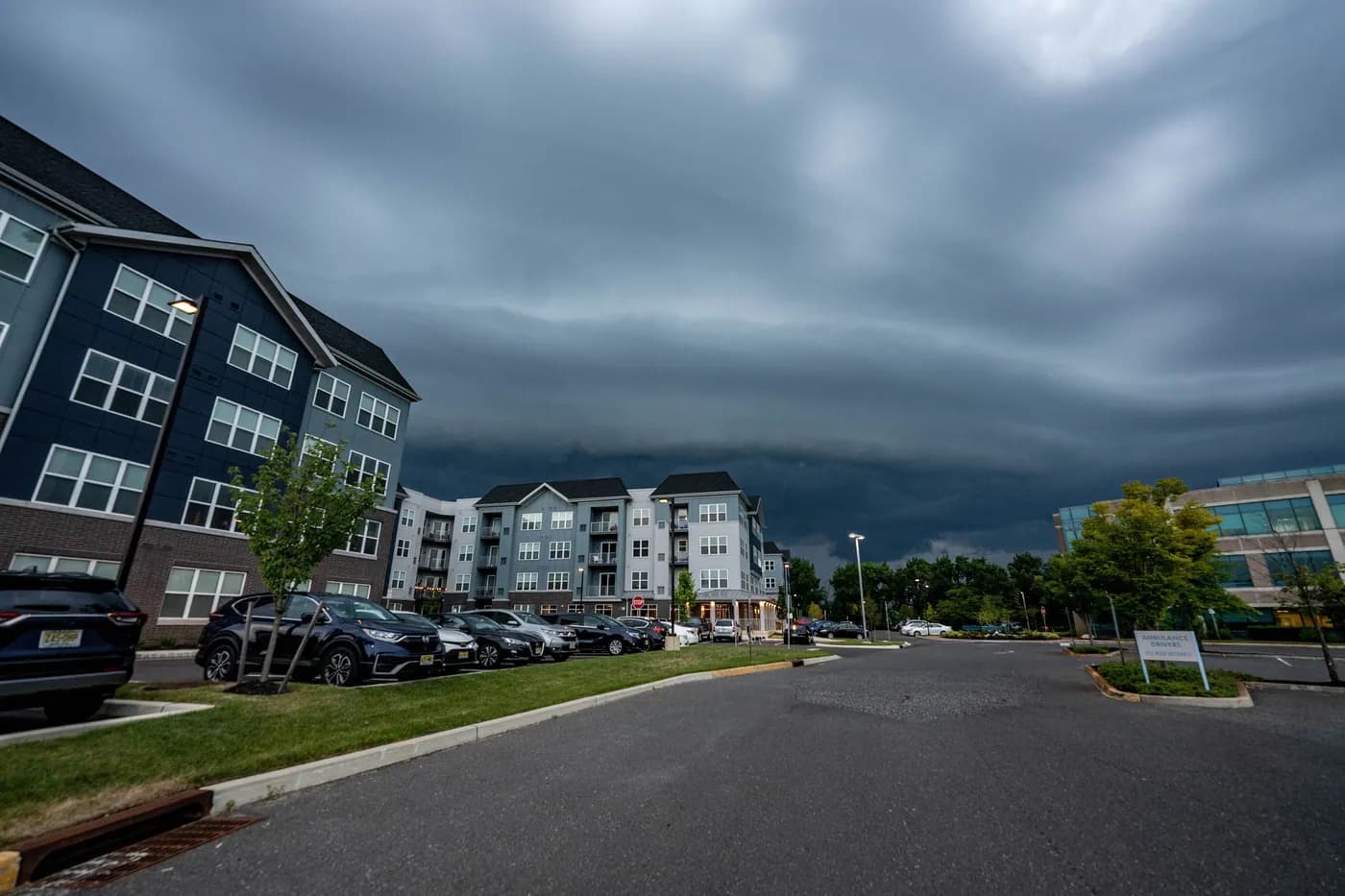
When Should You Inspect a Roof After a Windstorm?
The most common form of wind damage leaves the roof looking completely normal from the ground. Here is how to tell whether yours needs attention.
Get your Shamong Township roof looked at
Tell us about the roof. The municipality page you are on is recorded for context only — the property address you give is what we use.